If there was one thing – one thing – I have taken away from 70s horror movies, it’s that “monster rallies” almost inevitably suck. I’m not talking about actual monster rallies, but movies that gathered together the gray eminences of horror stars in the same flick. Christopher Lee, Boris Karloff, Peter Cushing, John Carradine, any combination of the above should be marvelous. What they are, usually, is quite tedious. This may be a problem with the horror genre overall in the 70s, desperately trying to re-invent itself in a new era with real-life horror vomiting forth from living room TVs every night. Watch Bogdanovich’s Targetsagain and realize in how many ways it was a prophetic piece of work, not only cinematically, but in the real world.
Well, sometimes they’re not too terrible, perhaps in spite of themselves. Madhouse falls into this category.
That is, however, some very nice makeup.
Vincent Price plays Pete Toombs, an actor who has made his fortune playing a character named Dr. Death in a very successful series of movies (which always seem to look a lot like movies made by co-producers AIP in the 60s, hmmmmm…). During a fairly fractious New Years party “five years ago”, Toombs has a falling-out with his young bride-to-be, and later finds her decapitated body. It’s possible that he killed her in some sort of fugue state, and he spends several years in a mental institution.
In present day, he is called to England by his old friend, Herbert Flay (Peter Cushing), a former actor himself and writer of the Dr. Death flicks. Flay has joined with producer Oliver Quayle (Robert Quarry) – who caused the falling-out five years ago – to produce a Dr. Death TV series. Toombs resists at first, still unquiet over his fiancee’s death, and above all, fearful of Dr. Death. “He frightens me. I’m frightened of what he can do.”
Well, needless to say, being a horror movie and all, it’s not long before the bodies start stacking up like cordwood. Toombs gets stressed out, closes his eyes, we see hands donning black gloves, and someone wearing Dr. Death’s costume kills someone else in ways reminiscent of the movies. A very real problem is that whoever the killer is wears a skull mask, so it’s obviously not Toombs committing the murders (if it was, why bother with the mask?). In fact, the culprit is pretty transparent from the get-go, though the movie tries to obscure this over the next 90 minutes or so. When the last line of a flick is, “It’s your favorite dish… sour cream and red herrings” that notice has been noisily nailed to the wall.
Yes, this is famously (and obviously) one of those movies where the script was being written even as scenes were being shot. Supposedly based on a novel by Angus Hall, Devilday, about the only things left over are the main character’s name and the fact that he was a horror star. Everything else was in an improvisational muddle right up to the end, which is just as confusing and unlikely as anything else preceding it. There is a reason this was the final collaboration between AIP and Amicus.
But another thing I learned from watching allllll these British horror movies from the 60 and 70s: even in the worst of them, the actors can be relied upon on to take the whole thing seriously. They do not camp or mince about, unless the material explicitly calls for it; even Christopher Lee, when he refused to say his lines as Dracula because he found them too gawdawful, once that camera was rolling and “Action” was called, hit his mark and made with the scary.
Every actor in Madhouse gives it his or her all, even though the script does not particularly reward them for it. Price is especially good, Cushing is sadly wasted, for the most part. Robert Quarry was obviously being groomed to replace Price as AIP’s horror guy, but increasingly it became obvious they had no idea how to facilitate that, which is too bad: he’s always solid. I was also pleased that I recognized Linda Hayden from Blood on Satan’s Claw.
The conceit of using footage from Price’s earlier movies as previous Dr. Death flicks allows us to enjoy sequences with Boris Karloff and Basil Rathbone – and to ballyhoo their names in the opening credits as “Special Participation by…”
Leave it to AIP to find a way to exploit you after your death. It’s a device lifted from that earlier mentioned, Corman-produced Targets. Too bad AIP learned the wrong lesson from Corman, or, rather, badly misinterpreted it.
What a ludicrous title. I can’t say its original title, which translates out to Operation Fear was any better. Neither works very well for a 19th century ghost story. Probably the most appropriate of its many alternate titles isCurse of the Living Dead. Still. It’s bizarre how a little something like that can turn me against a movie so many people revere.
Into your typical spooky 19th century Carpathian village strides Dr. Paul Eswai (Giacomo Rossi Stuart). He strides because, as is traditional with spooky 19th century Carpathian villages, the carriage driver refuses to take him into the village gates. There’s the usual superstitious peering through windows as he passes.
Eswai is there at the request of Inspector Kruger (Piero Lulli) to act as coroner in the death of a young lady before the opening credits. She was seriously frightened, and felt compelled to impale herself on an iron fence. Kruger is ranting and raving about superstitious villagers – he even stops the hasty burial of the girl so Eswai can perform his autopsy, assisted by Monica (Erika Blanc, playing the ingenue for a change), a local girl who recently returned to the village from college. What Eswai finds is a silver coin actually inside the girl’s heart.
There is a whole lot of superstition roaming about so Eswai can tut tut at it. There’s the ghost of a little girl, and whoever sees her has a habit of dying violently (spooky 19th century Carpathian villages hold a plethora of spiky, edged decorations just waiting for someone to be cursed by a vengeful little ghost). This is all tied to the local Baroness, and the tragic death of her daughter, but whoever ventures to her house is doomed, so it’s going to take an entire movie to tease that out. There is also a sorceress (Fabienne Dali’) in the village trying to thwart the ghost, but Eswai, of course, is going to undo all her witchy poppycock and get at least one person killed doing it. Take that, science! You’re not helping!
The movie’s more than a bit of a mess, with at least one prime scare built up to but not exploited, likely due to the producers running out of money two weeks into the shoot. The best move those idiots made was hiring Mario Bava as director, though. The atmospherics are cranked up to 11, as is the color saturation. I was watching an older DVD (I think it was given to me by a friend ages ago, and a sales receipt tucked inside bears a date of August, 2001) with a grainy image and – horrors! – a 4:3 picture. TV print, probably, and it still couldn’t kill Bava’s imagery, especially the final scenes, where things get downright hallucinatory. Bava and the actors finished the movie without pay, which was darned generous of them. And if the final act feels somewhat… rushed, shall we say… there are some impressively pretty pictures. And one sequence involving a repeating room that really makes me smile.
The pity is the script had a bit of novelty going for it – novelty that got squashed by the producer’s financial problems. It is a small miracle it’s as watchable as it is.
This is how I ALMOST saw KILL BABY KILL back in ’68 or so…
I recall Video Watchdog had a typically comprehensive story on the trials of making this movie and its many, many versions, but I hadn’t seen it yet, so there was little in the article to relate to, and nothing stuck in my memory. I lost most of my VW collection in Hurricane Ike, so I can’t check on that. Well, I could, their entire run is available digitally, I just don’t have the time.
So you’re stuck with this, off-the-cuff impression: It’s a mess, it’s not too terribly original, but any Bava movie is worth watching, for the sheer artistry alone. It’s possible to hit “pause” at almost any point in this movie and say, “Uh huh. This is a Mario Bava movie.” We are talking the Platonic ideal of gothic horror setpieces here. And if you find a version that’s in its original 1.85:1 ratio, so much the better. (Amazon Prime Video has the Kino-Lorber print, which is windowboxed, but a bit soft. I have been so spoiled by the recent Bava blu-rays, it ain’t even funny).
I don’t think it was until the Psychotronic Era of Film Writing came about that I even heard about Invasion of the Blood Farmers. It maybe maybe maybe had a brief mention in Famous Monsters of Filmland in a “Coming Soon”, but its existence was news to me until I got out of college. When a movie vanishes that completely, you should know something is up, but no, not us, no sirree, we know we have to see a movie with a title like that. It could be an unjustly ignored gem!
It never is. We’re idiots.
(I’m an idiot who wants to thank Code Red DVD for enabling my idiocy on a regular basis)
These “blood farmers” are a cult of druids calling themselves “Sangroids”. They’ve apparently done away with a family in a remote farmhouse while searching desperately for the extremely rare bloodtype that will revive their Queen (who lies in repose in a glass case) before the stars match up for the last time and the “Prince of Darkness” (they’re pretty Catholic Druids) comes for them all. They do this by injecting some sort of drug into their victims; if the unfortunate is not the Chosen Type, it will cause their blood cells to multiply exponentially, which is okay, because Sangroids drink blood on a regular basis. They just hook up the non-Chosen to a siphon and drain them, leading to much overacting.
One of their victims escapes and makes it to a local bar before expiring because the rampant blood production kills him (this could have been a far messier demise, but low-budget and all that. A young Peter Jackson or Stuart Gordon would have painted the bar and everybody in it red). This gets a local pathologist and his grad student assistant involved in the Mystery of the Growing Blood, and the pathologist’s daughter (and grad student’s love interest) gets to hang around and whine and fix breakfast and be the Chosen One.
There are two cogent pieces of trivia about Invasion of the Blood Farmers on its IMDb entry:
The film was shot over three weekends, with a $24,000 budget. It never made its money back.
According to the director, most of the cast members worked for a six-pack of beer as payment.
In that first scene in the bar, you are going to discover that many of the actors overcharged the director.The better actors are where they need to be, in the guise of the three good guys. The rest run the gamut from tolerable to Sweet Jesus You Are Actually Reading Fucking Cue Cards, Aren’t You?
“Here’s this week’s paycheck, boys.”
The story needed another run through the rewrite mill, but I admit that the central premise is novel, and could have been something memorably nasty in more experienced hands. Writer/Director Ed Adlum did learn a thing or two, as his next feature, Shriek of the Mutilated, is equally novel and a little better constructed. (He also got Michael Findlay to direct, which helped)
My favorite bit from this movie is going to remain the scene where the Cue Card Reading Druid is visiting the Pathologist and goes down to the “downstairs laboratory”, which is reached by walking into a very obvious closet.
There is one more thing about the Code Red DVD – the IMDb lists the running time as 84 minutes, but the DVD only runs 76. The included trailer has a couple of scenes that are not in the movie as presented, and the worst thing I can say about Invasion of the Blood Farmers is – I didn’t mind those missing 8 minutes. At all.
(Most of these vidcaps were yoinked from the far more complete B-Notes review by Apostic. Dude, come back, you’re missed.)
It appeals to my warped sense of symmetry when a review featuring a horrible Spanish galleon is scheduled to run on Columbus Day.
When you want to talk about Spanish horror movies, there are two series that are going to jump out of the spooky box at you: Paul Naschy’s El Hombre Lobo flicks, and Amando de Ossorio’s Blind Dead movies. I wrote about the inaugural Tombs of the Blind Deadback in the day, and the sequel, Return of the Blind Dead (duh) last year. And with this offering, we see that the Law of Diminishing Returns is sadly in action.
Worthless rich dude Howard Tucker (Jack Taylor) and model agency owner Lillian (the always welcome Maria Perschy) are working an ill-considered publicity stunt: two of Lillian’s models on Tucker’s new boat design will strand themselves in the ocean, be discovered, and Step Four: Profit! Except that the two run afoul of a weird patch of fog and the derelict 16th century galleon adrift therein. The galleon rams their boat, they go on board, and are not heard from again.
So Tucker, Lillian, Tucker’s hired muscle Sergio (Manuel de Blas) and model Noemi (Barbara Rey) head out on Taylor’s yacht to find them. Noemi is the friend of one of the missing models, and has been doing stuff like threatening to go to the cops about the whole thing, completely unaware that this is a bad way to deal with villains and/or rich people. For her efforts she has been kidnapped, raped by Sergio, and brought along for the trip. Also accompanying them is Professor Gruber (Carlos Lemos), a scientist at a meteorological service who assured them there is never fog in that part of the ocean, but there is the occasional ghost galleon.
Well, needless to say, this amazingly doomed quintet is going to find the galleon, and their launch is going to vanish, because the Professor tells us they are in another dimension. Gruber has an almost Russell Johnson-esque grasp of a number of scientific disciplines, including how to do an “exorcism” that will keep the zombie Templars at bay for 24 hours (which is a pretty crap exorcism, if you ask me).
Gruber also finds the ship’s log that explains how the Templars came to be on a ship (I was wondering): the crew apparently picked up a slew of Templar treasure, and brought the bodies, too, maybe? So the satanic templars now drift in their magical fog, drawing in victims for blood sacrifice that will allow them to maintain their immortality.
This, at least, is pretty cool. Too bad it’s at the end.
If in Return de Ossorio opened up the action to encompass an entire village, in Galleon it closes back down again drastically – he gets a lot of use out of those galleon sets, probably built for another movie entirely. We also see way too much of the most woeful miniature ship I have ever seen.
The Templars, so creepy in the last two movies, seem to be pretty perfunctory in their roamings this time, and too often the puppetry is obvious and sub-par. Perhaps they seem less ominous because in their previous movies, they were pretty relentlessly homicidal. This time, they have to drag their victims away to… well, we never find out, which could be terrifying, but first we’d have to care about the characters, wouldn’t we? I admit that all the Blind Dead movies have depended on people making stupid choices, but this time out we are talking about complete imbeciles.
We are spared yet another revisionist origin story, but that also robs us of one of the few things that gives them their identity: no mention is ever made of their blindness, or their reliance on tracking their victims by sound. Noemi’s encounter with the zombies is the one instance of true horror in the whole enterprise, and even then that’s because it is so sadistically drawn out.
This is by far the weakest of the Blind Dead movies (that I have seen. I can only imagine Night of the Seagulls will patiently wait to ambush me next year). Its reputation hasn’t been aided by having numerous other names pasted over its beginning through the years. Most people will recognize it better under the utterly generic Horror of the Zombies, which I believe was the title when it appeared on the USA Network’s Up All Night over and over again. Not to mention the piggy-backing title Horror of the Evil Dead, or the Brentwood disc I viewed where it was called Zombie Flesh Eater. Singular. Not Eaters.
Needless to say, there is no flesh eaten.Whether or not this would have improved the movie, I just don’t know.
So I’m what you would call a Boris Karloff fan. One day I’m going to run out of Karloff movies to watch, and that is going to be a sad day. General availability is going to render that sadness difficult to achieve, perhaps. I can’t think of any circumstances bizarre enough that I’ll get to see him play an Indian in Tap Roots, but hey, I’ve been wrong before.
Frankenstein 1970 starts out strong, with a clawed monster chasing a peasant girl through dark, fog-shrouded woods. This is damned effective movie-making. So effective that you start thinking, wait, this is just the opening, something is up, and sure enough, somebody yells “Cut!” revealing it all to be part of a movie being shot.
You will remember one of the things that will turn me against a movie is an attempt to treat me like an idiot. The movie crew is distressingly tiny – five people, and two locals – and this stick-bound tripod just shot a scene covering several hundred feet, with cuts. It’s a blatant cheat, and I’m not going to be in the movie’s corner for the next 80 minutes.
This less-than-skeleton crew is making a movie about… well possibly Frankenstein, who knows, because the director (Don “Red” Barry) keeps changing that (hell at one point he’s even decided it’s going to be a television show – who’s funding this idiot?). He rented out the actual Castle Frankenstein for his set, because the current Frankenstein (Karloff, yay!) is impoverished and needs the money to buy an atomic reactor. This is why its Frankenstein 1970, not Frankenstein 1960, as was originally planned. Obviously, it was unrealistic to expect people could buy their own atomic reactors until then.
Frankenstein has a reason to put up with those odious showbiz types, the same reason he needs the atomic generator: he’s building a monster, and this time, he’s going to get it right. After his manservant gets too nosey and finds the underground laboratory, Frankenstein uses the poor man’s brain and then proceeds to work his way through the movie people for more spare parts as needed. The Monster is fairly cost-effective, too, basically a mummy with an oversized head.
As ever, Karloff is worth watching; his Frankenstein bears the scars of Nazi torture, because he would not use his skills for their cause (considering the absurd changes the Breen Office enforced on the script, a time-lost copy of Frankenstein’s Army would have resulted in a lot of soiled trousers in that Office). Karloff gives the role his all, even injecting some creepiness toward the women in the crew. It’s more dimensional than the picture deserves, really.
The movie crew is solid enough, but annoying. It’s like there are two different movies going on, using the same set, but one is a tragic horror story and the other is an unfunny comedy. I kind of wish everybody had been working on the tragic horror story.
There are two reasons this movie got made: one was the Shock Theater package that re-introduced the Universal horror movies to television audiences, and the other was the success of the Hammer Curse of Frankenstein. This is a handsome movie, at the very least; it uses a Warner Brothers set built for an Errol Flynn movie, and it’s shot in CinemaScope, for God’s sake, using the same cinematographer as that Flynn flick, Carl E. Guthrie (clever of producer Aubrey Schenck – Guthrie already knew how to best light the set). I honestly do appreciate that the Warner prop crew put the Maltese Falcon in Frankenstein’s library.
Frankenstein 1970 doesn’t fall into the “for Karloff completists only”, but there isn’t a whole lot here to reward the casual viewer, either.
Now, a lot of people whose opinion I respect like Jess Franco. I have yet to find that movie that will win me over to his camp, however. It may actually happen someday, but in the meantime, I ain’t holdin’ my breath. The Awful Dr. Orlofis described by some as “Franco’s masterpiece”, which means in a career spanning around 200 movies, he hit his high point on his fifth movie. Contemplate that upon the Tree of Woe, and let us begin.
France, 1912: Four beautiful women have already disappeared, and as the movie starts, number five is killed by a disfigured, caped man, who then carries her body out, guided by the tapping of a cane. The man doing the tapping is our awful title character (Howard Vernon, here beginning a lifelong friendship and collaboration with Franco), clad in opera cape and top hat. The killer is Morpho (Ricardo Valle), whose scarred face and bulging, unblinking eyes are the classic stuff of monster movies.
We are quickly introduced to Inspector Tanner (Conrado San Martin) and his ballerina fiancee, Wanda (Diana Lorys). Tanner is put in charge of the missing woman epidemic and will prove mostly ineffective (it is, in fact only due to a comic relief drunk played by Faustino Cornejo that Tanner solves anything). Orlof is trying to restore his daughter’s face, scarred in a laboratory fire years before – after his most recent failure (an unfortunate drunken woman trapped with Morpho in an empty house, a very effective scene), he determines that his next victim must be living when he attempts the skin grafts. Then he notices that Wanda and his daughter are played by the same actress…
Okay, we can stop right now and examine the obvious, that this is the same plot as Eyes Without A Face, released only two years previous. In this instance, Franco has an excuse: he was denied a permit to film his intended fifth movie by the Spanish State Censor, and he already had a cast and crew ready to go. He wrote Orlof in a week, figuring – as is often the case – that a horror movie would be perceived as having no particular political message. This doesn’t necessarily excuse his return to this particular trough over and over again through the years, however.
Franco was a cinematic omnivore, and this really shows in this version of Les Yeux Sans Visage through the filter of a 1930s Universal monster movie (it’s a possibility that Orlof is a tribute to Bela Lugosi and his blind henchmen in The Human Monster), or one of the more contemporaneous Hammer gothic horrors. It’s certainly lacking the poetry of Franju’s film – the tormented nature of the daughter, the recipient of her father’s increasingly horrific attempts to restore her face (Lorys as the daughter is called upon to do little more than loll her head about on a uncomfortable-looking bed). There is some tribute paid to Orlof’s agony over what he’s doing, but it feels more like filler here. I’m sure the dreadful English dub is not helping out there, either.
The character of Wanda the ballerina is a new addition to the story, using herself as bait when she realizes Orloff is becoming obsessed with her. The final twenty minutes of the movie, with Wanda in the clutches of the mad scientist and her worthless boyfriend the Inspector finding every excuse possible to not read her hastily-written note, is pretty compelling, though the viewer finds himself wondering why she thinks taking such a hazardous course without notifying her policeman boyfriend in advance is going to turn out alright.
If nothing else, you have to admit that the original title, Gritos en la noche, or Screams in the Night, is a great title for a horror movie. Exactly when it became The Awful Dr. Orlof is opaque to me; I had assumed the change was made so it could occupy the lower half of a double bill with Ricardo Freda’s The Horrible Dr. Hichcock, but my Image DVD bears the french title L’horrible Docteur Orlof. I need more coffee before I can begin to untangle this, and I’m inclined to believe it’s just not worth it.
For some – like, for instance, me – it’s an okay way to kill an hour and thirty minutes. For others it’s going to be an unforgivable slog, though a couple of instances of shocking (for 1962, anyway) female nudity employing an obvious body double might wake them up.
I’ve been reading through my old stuff lately, and I discovered this actually is something of a tradition. Every year about this time, some of the people in the Show I do each weekend decide they need to have a life or something (Civilians! Bah!). I could mourn the loss of income for that weekend, or I could try to assemble a Crapfest on that Saturday. Thankfully, the response was good, and we gathered for the biggest convocation of self-flagellation since the Black Plague.
The good thing about a Saturday Crapfest is we don’t have that artificial curfew that comes with workaday Monday mornings, and we can get in more movies over a longer period. The bad thing about a Saturday Crapfest is we don’t have that artificial curfew that comes with workaday Monday mornings, and we can get in more movies over a longer period,
It was Paul’s birthday, so I proclaimed that it being such, Paul should get to watch a Dogville short. These make Paul happy, but other Crapfest attendees don’t like them, because they have hateful, shriveled souls. Paul chose “The Big Dog House”, so off we went. (Dave even admitted he was interested in this one, as he was likely hoping for a Sid Haig dog to crop up and then possibly a Pam Grier dog so that oh my God I just creeped myself right the hell out)
In this epic, dogs drive cars, work in department stores, light cigarettes, commit cold blooded murder and frame other dogs for the crime, so they get sent to the hot seat in their stead. They break rocks and have prison riots. They even have machine guns to quell those riots. They also make deathbed confessions in the nick of time, so there can be a hairsbreadth rescue! Why do you monsters hate Dogville so?
Happy Birthday, Paul!
There was still some time needed to prep the dinner fixins, so I dropped Paul’s other birthday present: the 1967 NBC special, Movin’ With Nancy, starring Nancy Sinatra at the exact stage that would elicit throaty growls from her Crapfest audience.
There is no plot here, no comedy sketches, just Nancy in music video after music video, in a time before music videos. Obeying Rat Pack Law, Dean Martin sings a couple of songs and Sammy Davis Jr. comes in for a quickly-shot dance number that ends with an interracial kiss a full year before Star Trek‘s. Daddy eventually shows up and sings, and the Chairman of the Board is still in great voice, baby, lit cigarette in hand. This DVD was released in 2000, which means I’ve been sitting on it for 15 years.
Happy Birthday, Paul!
Whenever I break this out, I always find myself wondering what the hell happened to Lee Hazlewood. He wrote this song and several others on the special, not to mention Nancy’s big hit, Boots. (There was disappointment that Boots wasn’t in the special, but Nancy, in the commentary track, said she had wanted to focus on her other songs. And break our hearts in 2015, also) Hazlewood decided to retire from the music biz in the 70s, came back in the 90s, and passed away just 8 years ago. Man, I loved his voice.
The 5.1 remix on the music is superb, and we really enjoyed ourselves. We even liked the commercials, which were included. Royal Crown Cola had bought the whole hour, and they were going to use it.
Yes, I am old enough to have seen this when it was first broadcast. Yes, I drank a lot of RC Cola, and that is all Nancy’s fault. Come on, it was the Mad, Mad, Mad Mad Cola.
“And now,” I said ominously, “Fun time’s over.”
I guess it depends on how you define fun, as we started with my entry for the evening, Roar. Which may not have been fun, but it was certainly not dull.
Roar is currently making the rounds of the Alamo Drafthouse, who were at the forefront of resurrecting this cinematic freakshow. It is also possible to buy it on DVD from their website. But whichever method you take, you should make sure you see it with an audience. An audience that is not afraid to bellow “Holy shit!” and “What the actual fuck?!?!” at the events unspooling before them.
Do yourself a favor and after you finish reading this, go Google Roar 1981. You are going to find a lot of interesting reading. In the meantime, let’s see if I can boil this down: this is a passion project for Tippi Hedren and her then-husband, Noel Marshall. It comes from the best intentions – they were both animal activists, and had founded a preserve in Southern California (it’s still in operation, but right now I can’t get their website to work). The movie was shot there, though it supposedly takes place in Africa.
“Bad kitty! BAD KITTY!!! You love me TOO MUCH!”
Noel plays an insane man who lives with a bunch of lions, tigers, and other big cats. I think he’s supposed to be a zoologist or game warden, but you honestly lose track of such things while you’re watching a lion gnaw on his obviously bleeding hand while he tells his terrified friend that it’s just demonstrating its love for him. If this is not sufficient proof of his insanity, he regularly breaks up lion fights by throwing his body between them. It’s like somebody decided Grizzly Man didn’t go far enough and went back in time to solve that problem.
“Cut! CUUUUTTTTTTT!!!”
Some game officials or something motorboat up to his compound to complain that he’s exceeding the number of big cats for his deed restrictions, or – hell, for all I know they’re a bunch of Jehovah’s Witnesses, we were still drowning out the soundtrack with our screams of dismay. (A particular favorite was yelling “Cut!” whenever someone disappeared under a ball of fur and claws, because the director sure as hell wasn’t interested in doing it) While Noel is in the house bandaging his bleeding hand, some of the cats get frisky and start gnawing on the Witnesses’ heads, causing more screams from us.
The plot, such as it is, is that Noel’s family (and that really is his family, including Tippi and Melanie Griffith. It’s not like he could have convinced anyone else to be in this demented deathtrap) is coming to join him in this toothy paradise, but they got the arrival time wrong, meaning they hitch a ride to the compound while Dad is coming to get them, two ships passing in the night, as it were. And they come to a house full of animals wondering why these new arrivals are acting like prey, running around, screaming, hiding, that sort of thing.
Perhaps the lion was a fan of the original The Haunting.
You see, this is supposed to be a family movie, and this section is supposed to be funny. This is like filming a slapstick comedy on a set made of razor wire and broken glass. The cats are rambunctious because there’s a rogue lion named Togar messing with them, so they’re acting out. In real life, the family knew some of these cats, but not all, and everybody wound up getting stitches at one point or another in its ten-year process. Melanie Griffith had to have facial reconstruction surgery. Jan de Bont, then merely a cameraman, had 120 stitches when a curious lion tore the scalp off the back of his head with one swipe.
Two of the vengeful Witnesses come back to shoot the lions, and supposedly manage to bag a few until Togar has enough of their shit and puts a massive hurt on them. I try not to think about how badly those guys were actually hurt. I’m sure at least some of that blood was fake, at least. Maybe. Hopefully. Anyway, it’s a pretty unnecessary addition to the movie, except that they needed to get some “Hunting is evil!” action in there. Animal activists, remember?
The family manages to survive their night of terror, and it turns out all everybody needed was a good night’s sleep! Even Togar is okay now that he’s had a Snickers and a hunter’s face! Yay, big cats! Yay, we no longer need cringe in terror for these poor fools getting mauled for a questionable idea of entertainment! Yay!
Happy Birthday, Paul!
So after this we were really through being nice, this time we meant it. Dave was being mysterious, as usual, as he put on something called Hell Squad. Judging from the Tweets I was getting back, I am the only person in the world who had never heard of Hell Squad. Well, and all the other people in the room with me. There is no information on this thing, anywhere.
The first thing you have to realize is there is something called an Ultra Neutron Bomb. Ay-rabs kidnap the son of an ambassador (after a chase scene that sets new levels for unexcitement) in order to force the ambassador to give them the formula for the Ultra Neutron Bomb!!! Should he call the cops? The Army? The CIA? No, his assistant has a better idea.
And hops on the next flight to Las Vegas.
There he meets with Jan (Bainbridge Scott), a showgirl who likes to beat the crap out of mashers. She calls a meeting of her bored showgirl troupe and they all board a bus to the desert, where a guy in a drill sergeant hat tells them, “We have ten days to turn you from Las Vegas showgirls to trained commandos.”
There is magic in that statement. Magic that will go largely unfulfilled, but welcome to the world of crap movies. After a training montage (while the ambassador’s son molders in the dungeon for ten days – these are remarkably patient terrorists) Hell Squad is ready to go, journeying to Fake-istan under the guise of a traveling troupe of showgirls.
Okay, that’s Act One. In Act Two, Hell Squad will check into their luxury hotel suite, discover a large bathtub, and because “I read there’s a water shortage,” will take group baths. There isn’t a bubble bath shortage, though. It seems only Bainbridge Scott got the extra nudity money. Their mysterious contact always calls with instructions right after Bainbridge gets in the tub. (I suspected Paul of being the contact.)
The contact sends them on mission after mission in which they easily kill lots of Ay-rabs (why are we spending trillions on bombers when all we need is Las Vegas showgirls with ten day’s training?), and then return for a group bath. Literally: lather, rinse, repeat. Phone call, boobies. They commandeer a tank and drive it fifty feet. Mission accomplished! Bath time!
They finally run out of money for extras so two of the missions are just driving around in the desert. First at night, then during the day. I don’t think they got to take a bath between those two, because we were too busy bitching about the one-note-off-from-the-actual-A-Team-theme-song music that accompanied each. And every. Outing.
All of this doesn’t turn up the Ambassador’s son, and their extraction plane is going to leave with or without them. Luckily, they are captured by a Sheikh (Marvin Miller in his last screen appearance), who, in keeping with the evening’s festivities, gets chewed on by a tiger until he reveals where the son is being held. So it’s time to go take a bath.
CUE THAT A-TEAM MUSIC as the girls drive to a lake and swim thirty feet to the opposite shore where a castle from somebody’s aquarium awaits (thus rendering the bikinis they’re wearing totally justified). They rescue the son, kill some more guys (“Tee hee! Murder is fun!”), and somehow blow up the castle with a trail of gasoline. Lit by an ordinary book of matches that somehow stayed dry in her bathing suit (see below). Then they have to make it home to reveal there’s a mole in the organization.
Who’s the mole? I need to leave you something to find out for yourself. (PROTIP: it ain’t worth the effort) (However, it totally should have been the Boom Mike Operator. That boom mike appears in so many scenes it probably had to get a SAG card.)
Dave presented this in apology for the May Fest’s Galaxy Destroyer, which had neither galaxies or destruction or entertainment. Hell Squad was entertaining, give it that. Dave also provided the one piece of trivia related on the IMDb: Donald F. Glut wrote the script, but held off giving the director the final third until he was paid. So the director, Kenneth Hartford, came up with his own third act, and Glut never got paid anyway. Which explains the lack of dramatic tension and logic and stuff.
Did you know Kenneth Hartford directed three other movies?
HAPPY BIRTHDAY, PAUL!
Erik spotted a great line in the end credits, “Special thanks to the PLO members who played themselves as terrorists.” Uh….
Well spotted, dude.
And that, alas, is the last time I will be able to say anything nice about Erik.
Because he brought the next movie.
And without even a “You remember when we said we were through being nice? This time we absolutely mean it, hand to God.”
“It’s love on wheels” she said. “You’ve got to watch it” she said.
It was a year ago that, in a similar Crapfest, we partook of and enjoyed Skatetown USA. It was bizarre and madcap, and while most of the humor was, um, not that funny, if you didn’t like what was going on at any point, you could be sure it would switch to something else in a minute or so.
Roller Boogie does not do this.
Linda Blair is Terry Barkley, a rich kid we are told is a musical genius and about to go to Julliard. But since she is rich, she does not possess the Life Force, and must seek it among the poors of the local Roller Disco. Luckily, Jim Bray, winner of 275 roller skating trophies, is there to provide such for her.
Oh, but it’s not just a love story, you know. Some gangster types (led by Mark Goddard, who Dave pointed out is still pissed off about not getting to kill Dr. Smith) want to take over the Roller Disco, causing the owner to shut it down the night before the all-important Roller Boogie Competition, rather than endanger the kids. Thanks to roller skater “Phones” (Stoney Jackson), there is an accidental tape recording of the gangsters threatening the owner, and somehow the gangsters find out about it. I’m not really sure how, because I was being amused by Paul’s soul-rattling sighs from the back of the room, frequently punctuated by painful groans.
The closest analog I can come up with is when we finally decided to watch Can’t Stop the Music, and discovered that, rather than a non-stop parade of fabulousness, what we had was a fairly tepid update of Mickey Rooney and Judy Garland putting on a show at the old barn. Roller Boogie is much the same thing, an old story dressed up in garish new clothes, hoping against hope that this new craze would last long enough for the movie to get out the door. It’s entertaining enough, it’s just not particularly interesting. Especially not after the madness of Skatetown USA, and it’s probably a very good thing that we put a year between those two movies, or Paul’s sighs might have been louder.
There are some good things about the movie. Uhhhhh… like the club’s DJ wasn’t Jeff Altman, as we had feared. The ending is sort of refreshingly downbeat, since Terry quits the Roller Life to go to Julliard, enjoy your 276th trophy, Jim Bray. And really, no one can deny that a certain Earth Wind & Fire song was very welcome.
Erik claimed the disc had been lent to him by someone named “Anita”, and that “Anita” was checking on our progress throughout the night via text. I’m not even sure there really was an “Anita”, that this wasn’t some sort of clever subterfuge. You see, Crapfest isn’t a democracy; you can’t even say it’s a benevolent dictatorship. We run it like a gulag, really, and somehow “Anita”, as Rick aptly put it, “acting as an external agent… managed to completely circumvent all council protocols and infiltrate the agenda with a highly weaponized Roller Disco device, leaving in its wake incomprehensible catatonic agony.”
This “Anita”, if she indeed exists, is highly dangerous. We should alert Matt Helm, Derek Flint, and see if that Bond dude is doing anything at the moment.
I could really go for a “Bike Cop” movie, though.
As it stands, Erik was banned from suggesting movies for a year. This punishment has only been doled out once before, to Rick for the whole Garbage Pail Kids thing. Which happened after he got out of parole for Evilspeak, come to think of it. In any case, we shall mention Roller Boogie no more. If we must mention it, it shall be known instead as “Erik’s Shame“.
Which is complete bullshit because the next thing we put on was Supersoul Brother, a selection from both Rick and myself. I have written about this earlier, so I’ll be brief here: Rudy Ray Moore wannabe Wildman Steve (we are informed it is pronounced Wi-i-i-i-ldman Steve) is a wino who is cleaned up and injected with a formula that will give him super strength, so he can steal a cardboard safe. Trouble is, the formula will kill him in seven days. Hilarity ensues.
No, it doesn’t, this is a terrible, terrible movie, made for one one-thousandth, if not one-millionth, the budget of Erik’sShame, and at least as entertaining, if not more. It is also almost a half-hour shorter. Just enough enough time to realize that no, that wasn’t surround sound, that was Paul’s moans and sighs echoing every one of the put-upon Wi-i-i-i-ldman Steve’s.
HAPPY BIRTHDAY, PAUL. WE HAVE SUCH SIGHTS TO SHOW YOU.
At this point, it was midnight. Paul, feeling his birthday was over, took his leave. Happy birthday, Paul, thanks for spending it with us. Your judgement is questionable.
But we were not finished.
“No, children, it isn’t over yet.”
Hell Squad had not been Dave’s first choice for the evening. And now that we were heading into what we knew was going to be the last movie of the fest, he revived that choice. And although I had seen the American dub again around a year ago, I had never seen the original, Danish version of Reptilicus.
This version had no subtitles, causing Dave to run into his computer room while we provided Ingmar Bergmanesque translations of our own. The plucky oil prospectors at the beginning were plenty concerned about the silence of God in an uncaring universe, you bet you.
Dave returned with some fan subtitles and we got down to business. If you didn’t know, Denmark’s only daikaiju movie discovers the frozen tail of a previously unknown dinosaur while drilling for oil. Like an earthworm, the accidentally thawed tail starts growing a whole new dinosaur, which escapes and proceeds to spread puppet terror across the countryside.
There’s a bunch of stuff that got cut from this for the American dub, and it’s mainly character-driven romance stuff, but there are two really infamous cuts: the first concerns the Odious Comic Relief janitor, played by Dirch Passer, who was a incredibly successful Danish comedian. AIP, for some reason, felt the need to cut a song he sings with some children about Reptilicus:
The other concerns the monster’s bat wings, which in the American dub are never referenced. Not so in the Danish version. I tweeted, “You’ll believe a puppet can fly.”
You won’t, really. I was just being nice.
So all this was excised, most in the cause of getting to the monster scenes sooner. Counterintuitively, this resulted in the travelogue segment in the American version leading up to “Tivoli Nights” to make up for lost time, and the addition of the monster’s acid spit.
Also missing from the Danish cut, which makes me sad.
“Tivoli Nights” does bring up something else. The fan subtitles did a wonderful job of translating the Reptilicus Song, even making it rhyme in English, but had little patience with “Tivoli Nights”, interjecting pleas that someone shoot the translator to stop the pain. Then, when Reptilicus makes his first appearance, his roar is translated as “Rar! I’m a monsta!” which made me so happy.
It still ends the same, though.
At 2am, we wearily went back out into The World, satisfied that there was nothing out there that could possibly hurt us as much as what we had just done to ourselves. Five movies! Five movies and a TV special. Five movies, a TV special, and Dogville.
Once more, I survived working the City’s Independence Day festivities, with only slightly more than usual aches and pains afterwards. It was time for celebration, celebration that required little or no work from yours truly, ie., a Crapfest. (Click here for a visual representation of our gatherings, putting the “odd” back in “odyssey”)
Slightly lower attendance this go-round – Paul had a sibling’s party to attend, The Other Dave was recovering from what he described as “eating like Orson Welles for three days”, leaving us with host The Original Dave, Alan, Rick, Erik and myself. Mrs. Dave excused herself and got the hell out of Dodge. Like all of us, she had lived through the 80s, and unlike all of us, she had the sense to know that once was enough.
You see, there was a motif that, unplanned, began to assert itself as the evening wore on, and past a point we stopped resisting and just went with it. And the 80s came, and had their way with us. Roughly.
Dave’s opening salvo was the motivational classic, Mr. T’s Be Somebody… or Be Somebody’s Fool, a direct-to-video outing from 1984 (the hot middle of the VHS boom, a time when something like this being successful in the video market was a real possibility). The intentions behind this are so good, it’s really kind of hard to be mean to it. If it has any weaknesses, it’s that it tries to cover 14 different topics like Peer Pressure, Shyness, Frustration and Styling (featuring “Zina and Zina from San Bernadina”), so it’s like every PBS morning and Disney kid’s show compressed into 52 minutes.
Oh, stop screaming.
T is very game in this whole enterprise, even if he looks very uncomfortable when visiting a street scene that is basically the Shaolin Temple of breakdancing (he does not make it past the first chamber). Guest stars like New Edition and a very young Fergie keep you watching for other possibly hidden details, and I have to say the rap Ice-T wrote for Mr. T is actually pretty good, delivering the message while playing to T’s vocal strengths. It was a fairly easy way to slide into the horrors of the evening.
Well, “fairly easy” gives way to “Necronomicon-levelhorror” when whatever file Dave has Mr. T residing in on his hard drive then flips over to the pilot episode of The Lost Saucer, a Sid and Marty Krofft monstrosity hailing from 1975 starring Jim Nabors and Ruth Buzzi as bumbling robots (Nabors is from “the Southern Cosmos”). As it was from 1975, it was purged somewhat speedily, but not before the theme song wormed its way into our brains:
Much easier for us to glom onto than T’s rapping, and it would pop up over and over for the next five hours.
We would need it.
A movie I had been trying to get on the agenda for over a year was The Miami Connection, a strange concoction concerning a group of five orphan tae kwan do black belts who are friends forever, as they will tell us in song. You see, they are also the rock group Dragon Sound, “a new dimension in rock and roll,” the bold new direction being that they dress in karate gis while pretending to play their instruments.
You can be sure that this number was the first time we used The Lost Saucer defensively. The scowling GI Joe with Kung-Fu Grip lookalike who’s so concerned about his sister is the leader of the improv street gang (all their dialogue is obviously – and poorly – improvised), who have some sort of affiliation with the Miami Ninjas, who are taking over the lucrative drug trade. The position of house band in this joint seems more than a paltry paycheck and unlimited well drinks, it must control trade routes from its lofty perch, or something, since the band replaced by Dragon Sound is willing to fight them for it, and when they get tired of having their asses handed to them by Dragon Sound, they employ GI Joe’s Improv Mob to get their asses kicked instead.
None of that synopsis will help you with the horrible line delivery of star/co-director/writer Y.K. Kim, who is a good martial artist but a terrible actor (casting by Y.K. Kim). Two of the band members are similarly good at the kicking, not so hot on the emoting. The other two are the opposite, kind uhhhhhh adequate on the acting, not seen doing much on the fight scenes. They are: the black one (who actually does track down his father, with a shrill “Oh my Godddddd!”) and John Oates. As there is no girl on the band, John Oates is the de facto girl, getting kidnapped and held as bait.
We haven’t even gotten to the biker gang who shows up out of nowhere to provide us with our bare breasts for the R rating. And the final showdown with the Miami Ninjas, in a park that resembles the jungles of Da Nang (Orlando is truly a city of wonders). This movie got kicked around to various distributors, none of whom cared to even give it a video release, and mind you, this was in 1987, when anyfuckingthing could get released on VHS. One guy at Manson International (appropriately) finally agreed to pick it up if they changed the ending (the original, tragic ending required acting, and talk about trying to find water in the middle of a desert…).
Erik had been wanting to see this for a while, and he avowed that it was worth the wait. I was not prepared, however, for how much it hurt Dave, which was a lot. So much that he decided to forego his original planned entry, and also show something horrible and soul-shriveling from the 80s, locking in our course for the evening. And that something terrible was Where the Boys Are 84.
There is a fair amount of demented genius in this choice, mainly because I don’t think there was any way in Hell any of us had seen this movie, unless it was by accident while flipping through cable movie channels.
The premise is: you have four college co-eds (Lisa Hartman, Lorna Luft, Wendy Schaal and Lynn-Holly Johnson), who head to Fort Lauderdale for Spring Break, with no higher mission than to get drunk and laid. Lynn-Holly wants to screw “Conan the Barbarian” – whoever might fit that description – Lisa wants to make time with Camden (Daniel McDonald), the famous classical piano player cousin of the rich Wendy, and Lorna just needs a break from her jealous boyfriend, who will proceed to track her to Lauderdale. Got all that? It’s a sexy madcap romp! Or so we’re told.
It is! It’s a sexy madcap romp!
The movie itself is not too awful, though keeping track of all the subplots is sort of a full-time job (the tequila sunrises Dave kept bringing into the room didn’t help). A hitchhiker the girls pick up on the way is an itinerant musician named Scott (Russell Todd, leading to many unsaid Time Squad riffs), who is going to be Camden’s chief competition for Lisa’s attention. There’s a Stray Cats wannabe group that keeps cropping up – called, rather nakedly, The Rockats – ensuring that every five minutes I could ask, “Is that Brian Setzer?” no matter who walked across the screen.
The first night, when the girls go out to become, as they put it, “shitfaced” rapidly becomes very uncomfortable, especially when Wendy gets drunk and begins to do a striptease in the middle of the bar (to Rockats accompaniment). I swear to you, the scene was two camera setups away from becoming The Accused before Lisa intervenes.
Of course, if you really want uncomfortable, there’s always this scene:
This movie fails the Bechdel Test, fails it repeatedly and fails it hard. So hard there were probably smoking craters all over Lauderdale from repeated attempts. I will further postulate that its very title implies an impressive fail on that point.
Do I really need to tell you how the various plot threads play out? Lorna and her boyfriend will get back together. Conan the Barbarian turns out to be a tiny-dicked hustler. Wendy gets busted for DUI and starts dating the cop who busted her. (Spoiler: he’s married). Scott publicizes the snooty party Wendy’s mother is throwing for Camden’s big concert so he can crash Lisa’s alone time with Camden. The supposedly comic shenanigans that ensue also include the Rockats – of course – staging an impromptu concert of their own, and the string trio that was supposed to be entertaining the posh crowd start jamming with them. I really could have used more of that.
Camden is confessing that he is having trouble finishing his new suite because he can’t find “the proper phrase”. I suggested that the missing phrase might be “…THE LOST SAUCER!” but he ignored me. Scott bursts in and tells him what the phrase should be, saving his rival’s bacon. AS MOVIES TRY TO TELL US OVER AND OVER AGAIN, RICH PEOPLE SUCK AND ONLY POOR PEOPLE HAVE THE LIFE FORCE.
Oh, hey, was that Brian Setzer?
So how do we follow up that slice of drive-in fare (from an era with practically no drive-ins)? Is there any topping that, in a very real way finishing off the evening, like a blow to the head on the killing floor? Why, how about another movie from the 80s I had been trying to shoehorn into a Crapfest forever: Rock ‘N’ Roll Nightmare.
As some of you may be aware, the movie’s original title was The Edge of Hell, which it retains on the Synapse Films disc I was using. This allowed me to pull the “Oh no! I brought the wrong movie!” bit for a while, never mind we had spent the last five minutes grooving to the 5.1 menu song of “Talkin’ ‘Bout Rock”.
So we have a rock group, The Tritonz, setting up shop in a remote (except you kept seeing car headlights on a nearby highway in the numerous night shots) farmhouse, where a family were mysteriously and supernaturally murdered years before. But this is the perfect place to finish our album! We built a state of the art recording studio in the barn! (The state of the art was apparently pretty sad in 1987, especially in Canada.) The Tritonz’ journey to the farmhouse in their non-custom van is pretty much accomplished in real time, the sure mark of a movie that came up short on running time. Interminable love scenes (and slow motion during same) is another clue.
(Speaking of love scenes, here’s some “fun” movie lore: the requisite breasts for an R rating were supposed to be provided by the groupies in one scene. Said breasts are even referenced in the dialogue. Their agent, however, told them to refuse on the day of shooting, and the ladies in the Tritonz were called upon to take up the slack. As it were.)
The leader of the group, John Triton, is, as aficionados of crap cinema know, played by real-life rocker Jon Mikl Thor, who also wrote, produced, and provided the music. I actually like the music – very little LOST SAUCER needed, it provided its own riffs – but the story is plodding and pretty cliche. The drummer is even named Stig, for God’s sake. In any case, the forces of darkness -represented by rubbery cyclops puppets and the occasional decent makeup effect – pick off the band one by one, leading to a closing act that I still refuse to say anything about. It must simply be witnessed, with as little preparation as possible.
All online trailers seem to have gone bye-bye. Well, they all pretty much blew the surprise, anyway. Spoiler alert, and all that.
Another thing learned this evening: most 80s movie scores were written by rummaging through John Carpenter’s trash can.
The best part is I can now threaten Crapfest with the sequel to Rock ‘n’ Roll Nightmare, Intercessor: Another Rock ‘n’ Roll Nightmare. But you know what? That is below even me.
With this particular Crapfest, though, it felt like we had finally hit our stride again, after the long time off. Is that a good thing? Or a bad thing? Given the Crapfest experience, it is probably a bad thing. And that’s good.
So if you watch TV at all, you might be aware that, as I write this, Tropical Storm Bill has made landfall somewhere south of me in Texas, an event that the local media has been trumpeting as if it were the vengeful return of Hurricane Ike, attended by flesh-eating zombies, who were themselves on fire. Grocery stores were emptied out, schools were closed, and I couldn’t go to work. Couldn’t even work on this blog, because my Verizon DSL craps out when it rains. Even the infinitesimal amount of precipitation I’ve gotten so far.
Well, this is what word processors are for, yes? Eventually my Internet has to come back. Eventually my teenage son has to stop barging into my office, demanding I reset “the router” “just in case that might help.” I’ve stopped correcting him that the router and the modem are separate creatures. I just grumble and do it.
In the course of all this madness, as I fall farther and farther behind in everything else, I might as well say, hey, I watched some movies.
For instance, I watched The Innocents for the first time in, ooooh, maybe 50 years? I didn’t like it back then, but, you know, I was just a kid and all that. I bring entirely new sensibilities to the table. Surely now I will experience it as the classic it truly is!
Nope. I’m going to have to admit that most ghost stories simply do not do it for me, no matter how well made they are, and make no mistake – The Innocents is a well-made movie. Deborah Kerr, as a first-time governess who finds herself in a battle for her charges’ souls against the ghosts of two former servants, felt this was her best role. That’s quite possible. As a child I did not care for the downbeat ending. As an adult I appreciate that Kerr and director Jack Clayton leave the possibility open that this ghost business may all be in the governess’ troubled mind.
Or, if you’re Amurrican, you saw this movie.
Well, on then to stuff I appreciated more. Last week we lost a bunch of cool people, the biggest splash belonging to Sir Christopher Lee. I’ve said many times I found him to be an actor of limited range, but he had more presence and gravitas than ten normal actors, and when you put him in the right role, damn but he was unstoppable. One of those right roles was the Duc de Richelieu in The Devil Rides Out, Hammer’s movie version of the Dennis Wheatley novel of the same name (the credits remind us it is a “classic novel”).
Richelieu, along with his two-fisted pal Rex (Leon Green) are determined to free the son of their deceased comrade, Simon (Patrick Mower) from the insidious control of Mocata (Charles Gray at his villainous best), a Satanist of incredible power. Fortunately for the good guys, de Richelieu is himself knowledgeable in the ways of magic, and is able to protect his friends – if just barely – from the black magic onslaught that comes. The story meanders a bit, but there’s hypnotism, spirit mediums, giant spiders, the Angel of Death and Satan Himself (a guy with a goat’s head. It’s 1968, after all, and for that, it’s not bad).
There’s a fair amount of action and derring-do – I seem to remember the novel having a lot more, but then, I read it uhhhh forty-something years ago. A lot of movies about Satanism are pretty dull, but this is not one of them. It really needs a quality video release in the U.S., but I say that about most Hammer movies.
70s, you have so much to answer for.
Then I went to Rick’s for our monthly watching of movies. We had our three movies all picked out, and our pattern of late was two acknowledged classics and one lamentable piece of crap, usually sandwiched between the two classics as a palette cleanser. This time we decided to forego the “shit sandwich” model and start with the non-classic: in this case, the recently-revived Supersoul Brother, which goes by an *ahem* much vulgar title in actuality.
This is the star vehicle for Wildman Steve, a minor league Rudy Ray Moore (who was himself in Petey Wheatstraw as a character named Steve), who plays a wino -named Steve – picked by two thugs to be the guinea pig for a super-strength potion they’ve bankrolled to the tune of six thousand dollars (geddit? Geddit?). The plan is for Steve to carry out a safe from a jewelry store, then the hoods will plug him and make off with the diamonds. They figure this will be a mercy because, unknown to Steve, the formula will kill him in six days. Well, the formula also makes him bulletproof, so he makes off with the diamonds and tries to find an antidote.
Now that is almost the plot to a decent movie. Unfortunately, this is a Wildman Steve movie, which means it’s a Dolemite movie without the budget, wit or charm.
I’m going let that statement sink in on you for a while. As Rick so very succinctly put it, “This movie makes you re-calibrate your opinion of the Dolemite movies.”
I managed one intentional laugh during the movie. There is also one point during which we said, “You know, this was an okay movie until these white women showed up,” so there are degrees of bad. Predictably, although a derelict wino, Steve has no problem getting women into bed. The mad scientist, Doctor Dippy (Peter Conrad) has a girlfriend played by the magically named Wild Savage, who seemingly took acting lessons from Dolores Fuller, but again, without the budget, wit or charm of an Ed Wood movie.
This was directed by Miami filmmaker Rene Martinez, Jr., whose other big claim to fame is The Guy From Harlem, which, dammit, I own, so someday I have to watch it. At one point we spotted a triple-beam scale in Dr. Dippy’s office and Rick said, “That’s how they measured out the payroll every week.”
Vinegar Syndrome’s DVD is mainly clear and deceptively beautiful, but it has enough missing frames and streaking to really bring home the seedy grindhouse experience. I can’t recommend it, but I also cannot wait to force it on my friends.
Well, I see Everything is Terrible has edited it down to two minutes. Be aware this only gives you the smallest inkling of it’s… uh… quality:
So to soothe our bruised sensibilities, we slipped in Charlie Chaplin’s The Great Dictator.
Chaplin’s first all-sound movie still has stretches of silent comedy (or scenes that would play as well silently), but suffers from some tonal problems. It’s the tale of a Jewish barber who spends years in a hospital, suffering amnesia from injuries in a World War I-style war between the countries of Tomania and Bacteria. Thus he misses the rise of dictator Adenoid Hynkel, his Double Cross party, and his anti-Jewish agenda. Both men are played by Chaplin.
Chaplin’s Hitler manque is justly famous – he spent hours watching footage of Hitler and knows exactly how to puncture the dictator, right down to his adjutants, rechristened Herring (Billy Gilbert) and Garbitsch (Henry Daniell). The Hynkel scenes are so exacting, so precise, that the parallel storyline with the barber seem scattered and happenstance – the Barber isn’t even given a name – until the two switch places, more by accident than anything.
It was, in fact, a matter of some curiosity to me that nobody notices the two men are identical. In retrospect, that is absolutely the right way to approach it; as one of the Juden, the Barber is considered by the stormtroopers to be subhuman, and therefore no notice is given to him as a person; it isn’t until the Barber escapes from a concentration camp and is found in a stolen uniform that it is assumed he is Hynkel, just as Der Fooey, taking a pre-invasion vacation in an Alpine costume, is mistaken for a common man.
This is all leading up to the Barber giving a speech when everyone assumes he is Hynkel, to celebrate his conquering of another fictional country; the speech is, instead, one advocating peace and brotherhood, and you have no doubt had it posted to your various timelines more than once, captioned as “The Greatest Speech Ever Made” (and here it is with some Hans Zimmer music, for extra chills):
Please note that this speech is also one of the pieces of evidence given for branding Chaplin a Communist. Why? Because fuck the world, that’s why.
As I said, I don’t feel the two storylines mesh ideally, but who cares when the two resulting movies are this good? Chaplin was very nervous about his first talkie, so much so that the movie pretty much ruined his relationship with Paulette Goddard, radiant as always as the Barber’s girlfriend, Hannah. He needed not have worried so much, even if in later years he had misgivings about taking a relatively lighthearted approach when the true horrors of Nazi Germany began to come to light. But The Great Dictator had such value as a propaganda tool in the early days of World War II, it cannot be discarded as misguided. Hell, it’s even recorded that Hitler himself had a copy smuggled in so he could watch it. Apparently he did so twice.
So, excellent movie, even though I could not, in all conscience, give it the full five stars. Unlike the movie which ended our evening, Jacques Tati’s Mon Oncle.
Several years back, when I decided that I wasn’t getting any younger and needed to start experiencing a higher quality of film, this is precisely the sort of movie I suspected I was missing out on. I don’t even know how to begin to talk about it, as the examination of even one of the many wonderful bits of imagery that run throughout the movie leads to the temptation to talk about all of them.
But let’s try. In the introduction to Tati’s Monsieur Hulot character, Monsieur Hulot’s Holiday, one of the many plot threads concerned a young boy, whose businessman father was too occupied with important phone calls to pay attention to his son (much less enjoy his own vacation), who began to emulate Hulot. In Mon Oncle, Tati makes that connection a familial one.
Gerard (Alain Becourt) is the son of the Arpels; Mr. Arpel (Jean-Pierre Zola) is the manager of a successful plastic hose company; Mrs. Arpel (Adrienne Servantie) busies herself with caring for their ultra-modern and extremely ugly house. Hulot (Tati, as always) is Madame Arpel’s brother, living in a strange apartment building requiring an almost Escher-like path to get to his room, at the very top. Hulot lives in a older, rundown suburb that might as well be the rustic village in Jour de Fête; the heartbeat of life there is much slower and more erratic than in the contained and regimented world of the Arpels.
Thus, Gerard looks forward to his outings with his uncle – they promise and provide more adventure and actual living than in his nightmare Tex Avery Home of the Future (at one point the Arpels quite literally become prisoners of their own technology). The Arpels, of course, keep trying to cram Hulot into the pegboard of their lives – Arpel gets him a job in the plastics factory (which goes about as well as you’d expect), while his sister attempts to set him up with their next-door neighbor, a bizarre scarecrow given to wearing Andean rugs as a cape.
Tati isn’t really against the modernity of the Arpel’s house, he’s more against the fact that it’s a house to be shown, not a house to be lived in – there is not a single comfortable chair in the joint, they are all plastic monstrosities that theoretically double as pieces of art. Even then, Tati is never truly vicious in his portrayal of the nouveau riche couple. Even when the father, tired of his son’s admiration for Hulot, packs him off to the provinces – a rather downbeat ending, in my estimation – Tati manages to wring a bit of sweetness from the proceedings, a reconciliation between father and son that shows the father may not have been totally despising his brother-in-law all this time.
Wow, we just hit 2000 words on this, but I managed to be kind of brief about Mon Oncle, so let’s try to get one more movie in here, continuing the comedy vein with Ingmar Bergman’s Smiles of a Summer Night.
This was the movie that made Bergman’s bones, make no mistake. He was terribly depressed, and his producer telling him if his next picture didn’t make some money, they wouldn’t be letting him make any more probably didn’t help. Then they entered Smiles into Cannes without telling him, it was a major hit, and suddenly they had to let him make his dream project, The Seventh Seal, which cemented the whole “genius” thing for him. Smiles also inspired Sondheim’s A Little Night Music, but that’s not as much fun as imagining he based Sweeney Todd on Bloodthirsty Butchers.
Smiles is one of those mannered comedies about relationships concerning six couples, most of whom are entangled with the wrong people, and the conniving actress who gathers them all at a country estate so that everybody can get with the right person. Bergman regular Gunnar Björnstrad is Egermann, a middle-aged lawyer married to a 20 year old girl, who is still a virgin (also, his depressive adult son, the same age as the bride, is in love with her). The conniving actress is Egermann’s former mistress, who may have had his illegitimate son (which is a surprise to Egermann). She is currently the mistress of Count Carl Magnus Malcolm, a martinet who would allow his own wife to have affairs, if that just didn’t make him so jealous.
And just to add a little spice to the proceedings, there’s the child bride’s saucy maid, played by Harriet Andersson (who blew me away so completely in Through a Glass Darkly), who is herself looking for love. Bergman had apparently been having a love affair with Andersson prior to this movie, but it was over by this point – another reason for his profound depression during shooting.
It’s a complex plot, but Bergman keeps a bunch of balls in the air and brings it all to a satisfying conclusion. The main thrust of the story is that men are are a bunch of idiots and women can make them do anything they want, and I’d argue with that if I could. I was confused through the opening half of Smiles, because Egermann’s relation with his second wife – who he finally admits loves him more like a father than a mate – bears more than a slight resemblance to the life of Moliere, the French playwright who lends much inspiration to this script.
Moliere was similarly married to a much younger woman, even more unhappily than Egermann. Back when I was an actor, I played Moliere in a repertory project that alternated Mikail Bulgakov’s biographical The Cabal of Hypocrites with The Imaginary Invalid. In preparation, I read Bulgakov’s excellent biography of Moliere, along with the playwright’s works, and the most revelatory experience was reading The School for Wives, which is about… an older man married to a much younger woman. The final scene is basically a duel of romantic pronouncements between Moliere’s character and his wife’s younger lover. Contemporary reviews of the play mention Moliere’s hilarious puncturing of overwrought romantic plays and their actors in that scene, but knowing the man’s life, you are struck by how easily it could be played as bleakest tragedy, without changing a single word.
There’s quite a bit of that vibe in the opening act of Smiles of a Summer Night. By the third act, I was pretty certain it was a comedy, though, largely thanks to Andersson’s maid and her earthy major domo boyfriend, played by another repertory company member , Åke Fridell. And if nothing else, I liked it a whole lot more than the similarly-themed Rules of the Game.
It’s now June 22, and I have written 2725 words. Good God, I have work to do. Here, take this.
In the pattern we’ve established, about every six weeks I go over to Rick’s and we just sit and watch movies on his finely-calibrated plasma set (this time I got to drive through a monsoon, which is about as much fun as you’d expect). We’re both cinematic omnivores, but Rick’s a better omnivore than me, by which I mean he’s more open to new experiences, which I sometimes approach with a sense of dread.
This time, we had lucked upon a theme for our choices: Cinematic icons at war with each other (that two of the movies were on my 100 list for this year was certainly a bonus). To set the groundwork for this, we began with Werner Herzog’s sublime documentary on his fractious relationship with Klaus Kinski, My Best Fiend.
Kinski’s on-set tantrums were the stuff of legend, and Herzog was frequently the focus of those screaming fits; somehow they still managed to make five movies together that stand as classics of modern cinema. Herzog reveals that he met Kinski while the director was still a child; they both lived for a time in a boarding house, and found Kinski absolutely terrifying (but admittedly memorable). He then leads us through their movies and times together, revisiting locations and interviewing people years after the fact. Eva Mattes, his co-star in Woyzeck, and Claudia Cardinale, ditto for Fitzcarraldo, seem to be the only people who have nice things to say about Kinski. Apparently this is the sort of thing that happens when one fires a rifle into a hut full of extras.
Herzog, I think, has the proper range to gauge the truth about Kinski – a self-aggrandizing egomaniac who used his rages to make sure he was the center of attention at all times. Even then, Herzog continues, once his rage was spent, Kinski was capable of genius, and his hair-trigger temper kept everyone very professional, lest they trigger another outburst. Other footage, at festivals and behind the scenes, confirm Mattes and Cardinale’s tales that he was capable of great charm and warmth. My Best Fiend is an amazing odyssey, and if nothing else, it makes you want to watch these movies all over again.
Uh, about that “Tobe Hooper”…
The thing is, this was actually homework. Rick had been doing one of those falling-down-the-wikipedia rabbit hole affairs, checking for details on his new favorite actor, Oliver Reed, when he discovered that Reed had made a movie with Kinski in 1981 – Venom – and the idea of trying to keep those two in control during production led to us seeking it out. At the very least, I thought, Reed would eventually drink himself into unconsciousness…
Venom is one of those movies where you suspect the making would have made a better movie than what wound up onscreen. Based on a fairly successful suspense novel by South African writer Alan Scholefield, it was originally going to be directed by Tobe Hooper, who left over “creative differences” (by some reports, a nervous breakdown). Kinski apparently later crowed at a premiere party that he and the other actors ganged up on the Texan to make him quit. Director Piers Haggard replaced him (best known in these parts for Blood on Satan’s Claw and The Quatermass Conclusion), who later opined that the nicest person on the set was the black mamba snake.
The story concerns the kidnapping of a motel magnate’s son which goes rapidly south when one of the conspirators, the family’s chauffeur (Reed), panics and shoots a police officer, killing him. The officer was there to alert the family that the son – who has quite the menagerie in his room – accidentally picked up the black mamba from the pet store instead of a harmless African house snake. Now the snake is loose in the house, which is surrounded by the Police, and it’s in a nastier mood than the kidnappers.
Kinski plays Jaclen, the mastermind behind the crime. Susan George is his girlfriend, who’s worked in the household for eight weeks as a maid. Sterling Hayden, in his penultimate role, looks incredibly out-of-place as the boy’s grandfather, a retired big game hunter. Sarah Miles is a herpetologist whose major jobs are to A) tell us how deadly black mambas are, and how they can do everything except teleport through walls (and the jury is out on that one) and B) get taken hostage by Jaclen. All good actors (each with their own varying reputations for being difficult) that put in acceptable jobs, but the one I enjoyed was Nicol Williamson as the Police Inspector who gets saddled with this mess.
But Rick and I were there to watch the fireworks between Kinski and Reed. There aren’t many visible, which is remarkable considering that Reed basically spent the entire shoot annoying Kinski to make him blow. What shows up in the movie belies that, with Reed playing an increasingly desperate everyman who is in way, way over his head, and Kinski playing the calmest man in the house. There is one scene, when Reed makes one of his many trips to the liquor cabinet, and Kinski grabs his hand, stopping him – there is a true flash of hatred, and it looks like the split second before a massive bar brawl starts.
“You are about to lose that f*cking Nazi hand.”
“Acceptable” is a fair adjective to use on Venom. You won’t begrudge its 90 minutes, but you probably won’t care to revisit it, either. The best illustration for its problems is the scene where Kinski forces Hayden to search a room for the snake (since he has experience with the nasty things), and as constructed, it should be very suspenseful – or it would be if it hadn’t been established in the previous scene that the snake has already slithered into the ventilating system. We know it’s not in that room. Still, Haggard should be commended for producing a movie that’s at least watchable, given that he had absolutely no prep time, a script that was already locked down, and a cast that wanted to murder each other on the good days.
All this was mere preparation, though, for the main event. A movie which Rick and I had managed to get through our entire lives without seeing, setting two screens icons against each other: What Ever Happened to Baby Jane?
If, like Rick, you’re familiar with the title but have no idea what the movie’s about: Baby Jane is a vaudeville singing sensation whose ignored sister Blanche becomes a beloved movie star in the 30s while Jane’s movies are… struggling. One night, there is an auto accident involving the two, resulting in Blanche confined to a wheelchair. Fast forward to the 60s, where Jane and Blanche have aged into Bette Davis and Joan Crawford. Jane is taking care of Blanche, but is becoming increasingly unstable and abusive. Emphasis on the abusive, as during the course of the picture, Jane will cut Blanche off from the outside world and proceed to torment her.
Movies like this – psychological horror/hostage dramas -have never been my cup of tea, which is why I’ve avoided the movie all this time, but now I’ve seen it. And I can say I’ve seen it. It is a well-made movie, and it broke box office records at the time. Director Robert Aldrich (who has quite the varied and interesting filmography) uses the open enmity between Davis and Crawford for all its worth, but this isn’t just a carnival gladiator match, like Reed and Kinski; there is some real depth and acting here using all that hate.
Crawford does a marvelous job – audience sympathy obviously goes out to her, but she never quite makes Blanche likable, a choice that pays off on repeat viewings – but there is never any doubt that Davis owns this picture. She takes possession of the character of Jane and positively nails every single frame she is in to a wall. Davis had a great degree of leeway from Aldrich in designing Jane’s appearance, reasoning, among other things, that Jane never washed her face, just applied more makeup. Roger Ebert once wrote that the canniest career move Bette Davis ever made was growing older. He was talking about All About Eve, but the same reasoning holds here, The incredible grotesquerie that Davis breathes life and malevolence into is not to be missed (even if this type of movie is not your cup of tea). This is what total commitment looks like. Davis was nominated for the Best Actress Oscar that year, but it went to Anne Bancroft for The Miracle Worker.
If more motivation to watch is needed, you can also toss in Victor Buono’s debut role as an unemployed musician desperate for the gig playing for Baby Jane’s fantasy comeback; their first scene together is like a miniature acting school, sidewise glances that tell us everything we need to know about what is going on in the characters’ minds.
This rather marks a high point for both actresses at this stage in their careers; the shelf life for Hollywood actresses is depressingly, frustratingly short, and for them the future held more of the same, but lesser. Davis in Hush Hush Sweet Charlotte (which I prefer quite a bit over Jane) and The Nanny, Crawford in Straitjacket and Trog. This was a high point, as sad as that might seem.

 Click ^^ for Hubrisween Central, here for our Letterboxd page.
 If there was one thing – one thing – I have taken away from 70s horror movies, it’s that “monster rallies” almost inevitably suck. I’m not talking about actual monster rallies, but movies that gathered together the gray eminences of horror stars in the same flick. Christopher Lee, Boris Karloff, Peter Cushing, John Carradine, any combination of the above should be marvelous. What they are, usually, is quite tedious. This may be a problem with the horror genre overall in the 70s, desperately trying to re-invent itself in a new era with real-life horror vomiting forth from living room TVs every night. Watch Bogdanovich’s Targets again and realize in how many ways it was a prophetic piece of work, not only cinematically, but in the real world.
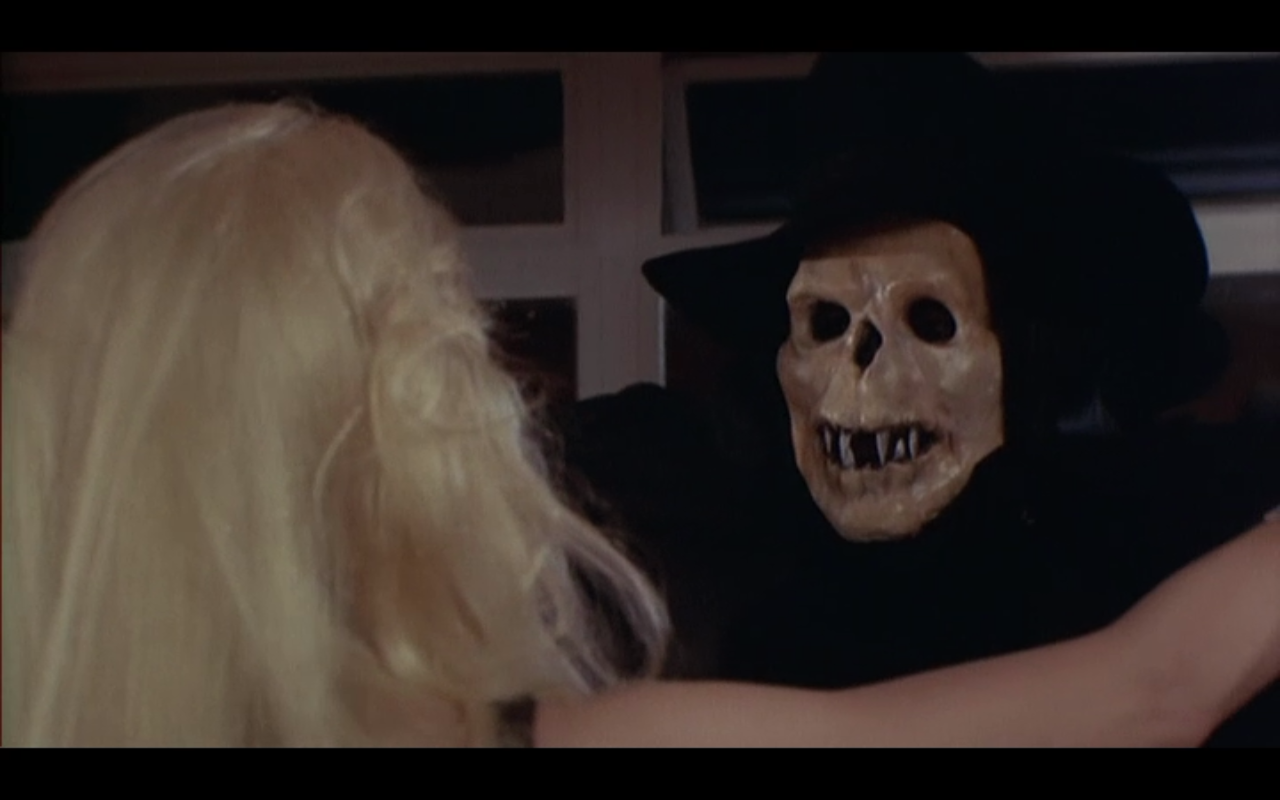 Well, needless to say, being a horror movie and all, it’s not long before the bodies start stacking up like cordwood. Toombs gets stressed out, closes his eyes, we see hands donning black gloves, and someone wearing Dr. Death’s costume kills someone else in ways reminiscent of the movies. A very real problem is that whoever the killer is wears a skull mask, so it’s obviously not Toombs committing the murders (if it was, why bother with the mask?). In fact, the culprit is pretty transparent from the get-go, though the movie tries to obscure this over the next 90 minutes or so. When the last line of a flick is, “It’s your favorite dish… sour cream and red herrings” that notice has been noisily nailed to the wall.
 But another thing I learned from watching allllll these British horror movies from the 60 and 70s: even in the worst of them, the actors can be relied upon on to take the whole thing seriously. They do not camp or mince about, unless the material explicitly calls for it; even Christopher Lee, when he refused to say his lines as Dracula because he found them too gawdawful, once that camera was rolling and “Action” was called, hit his mark and made with the scary.


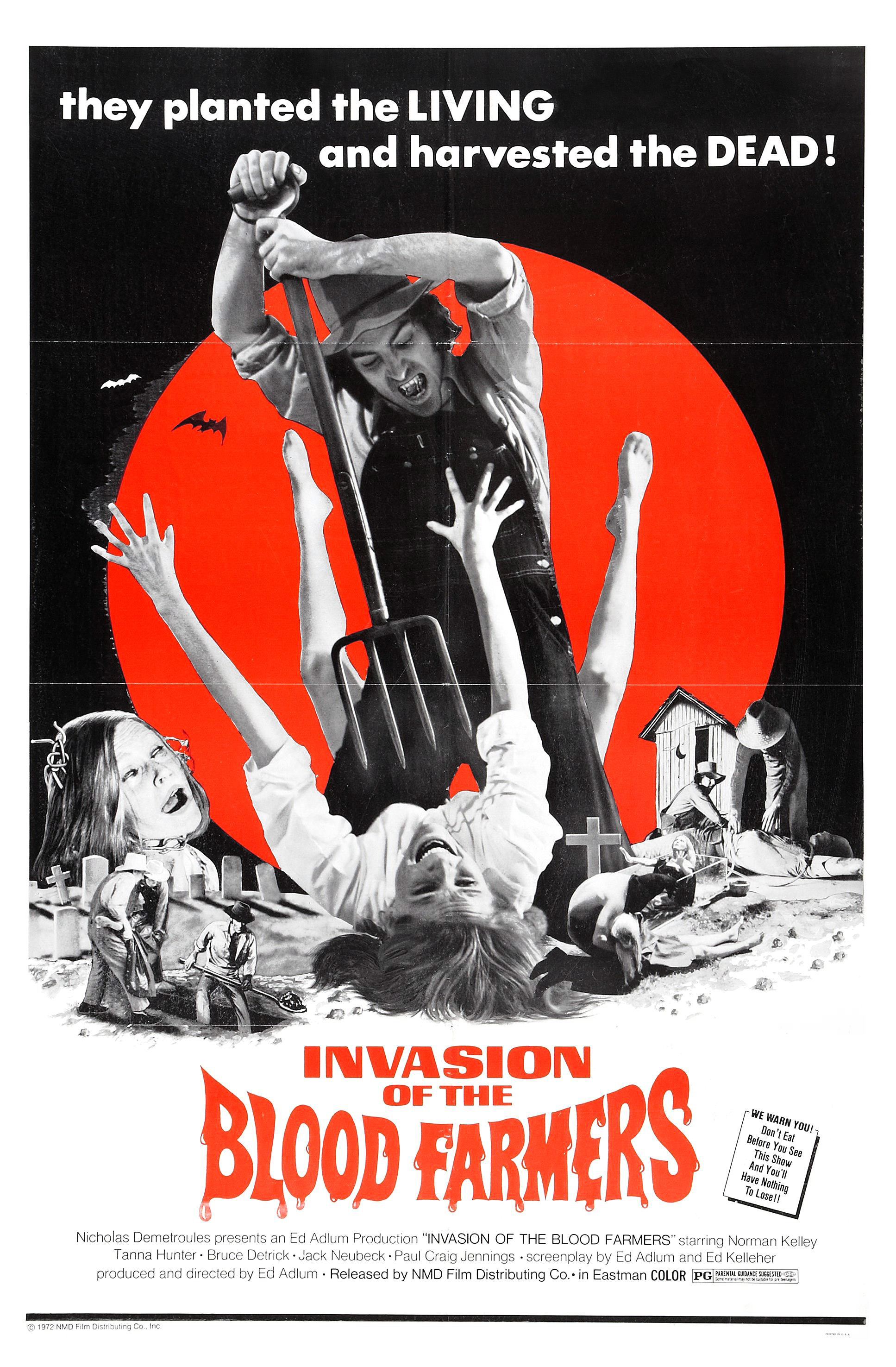
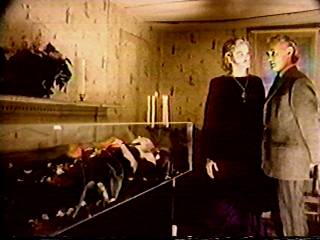

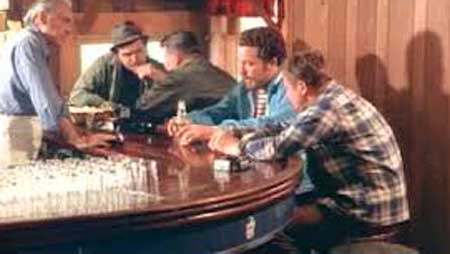
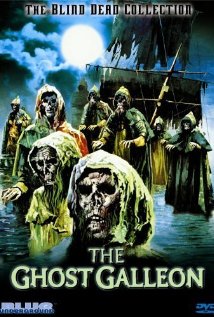
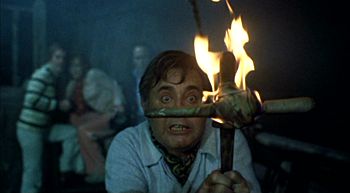
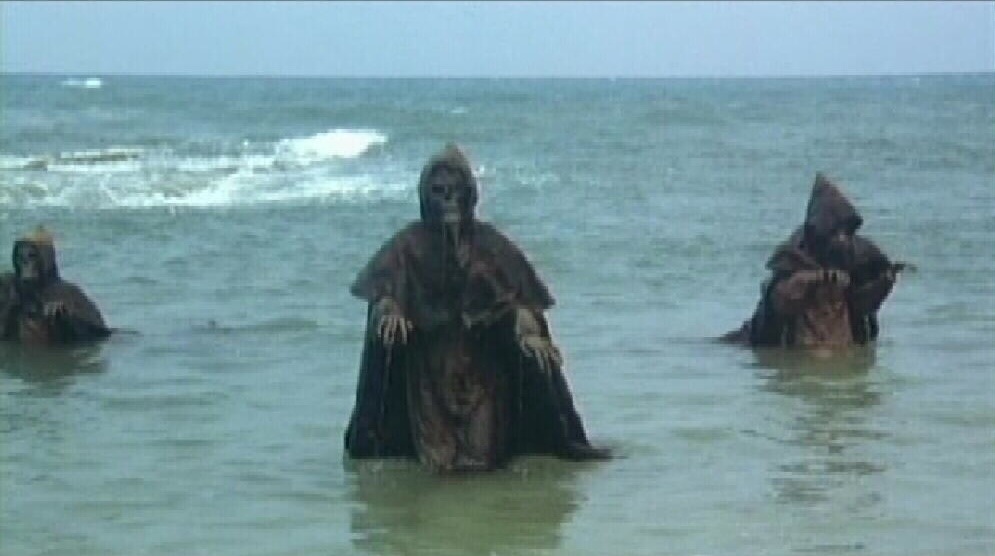



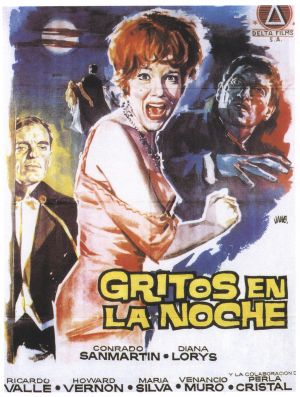


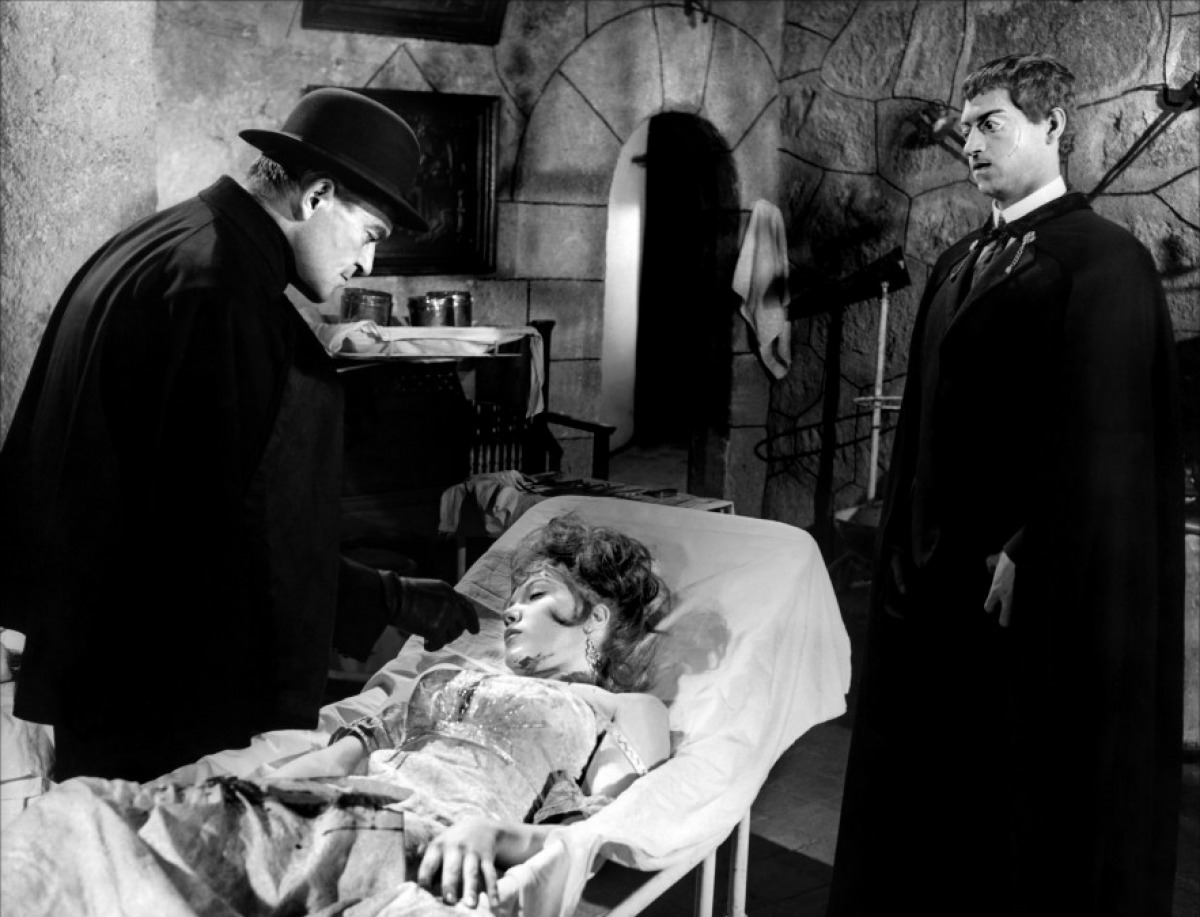


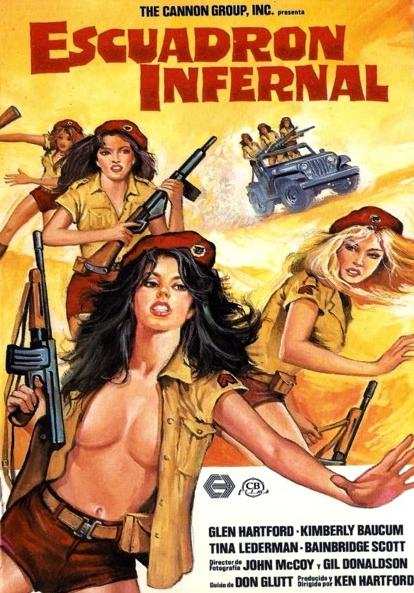


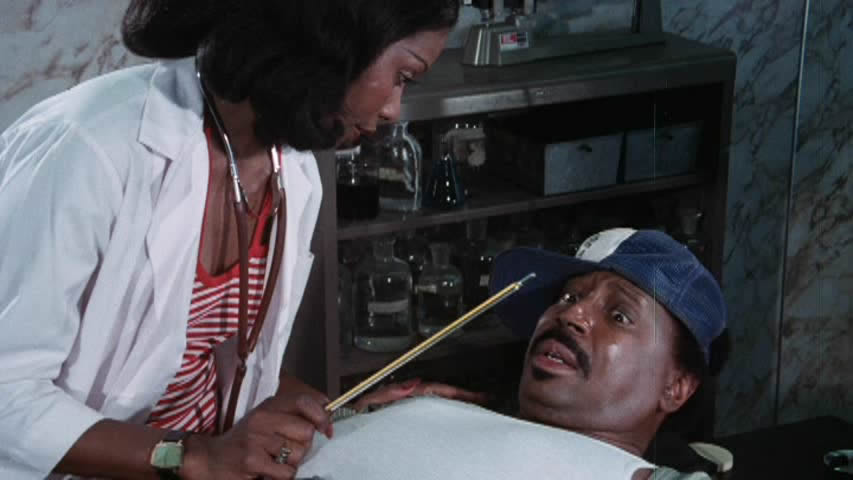



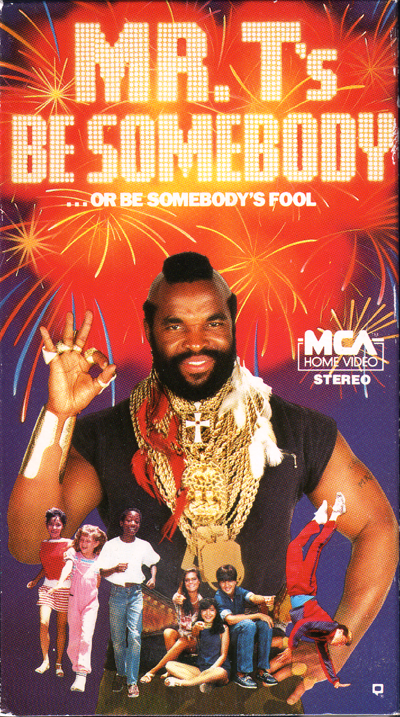

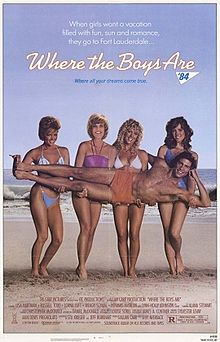
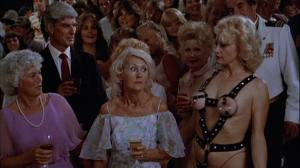
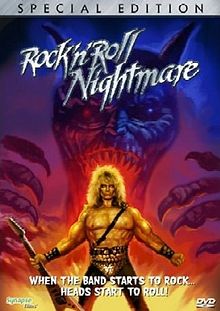


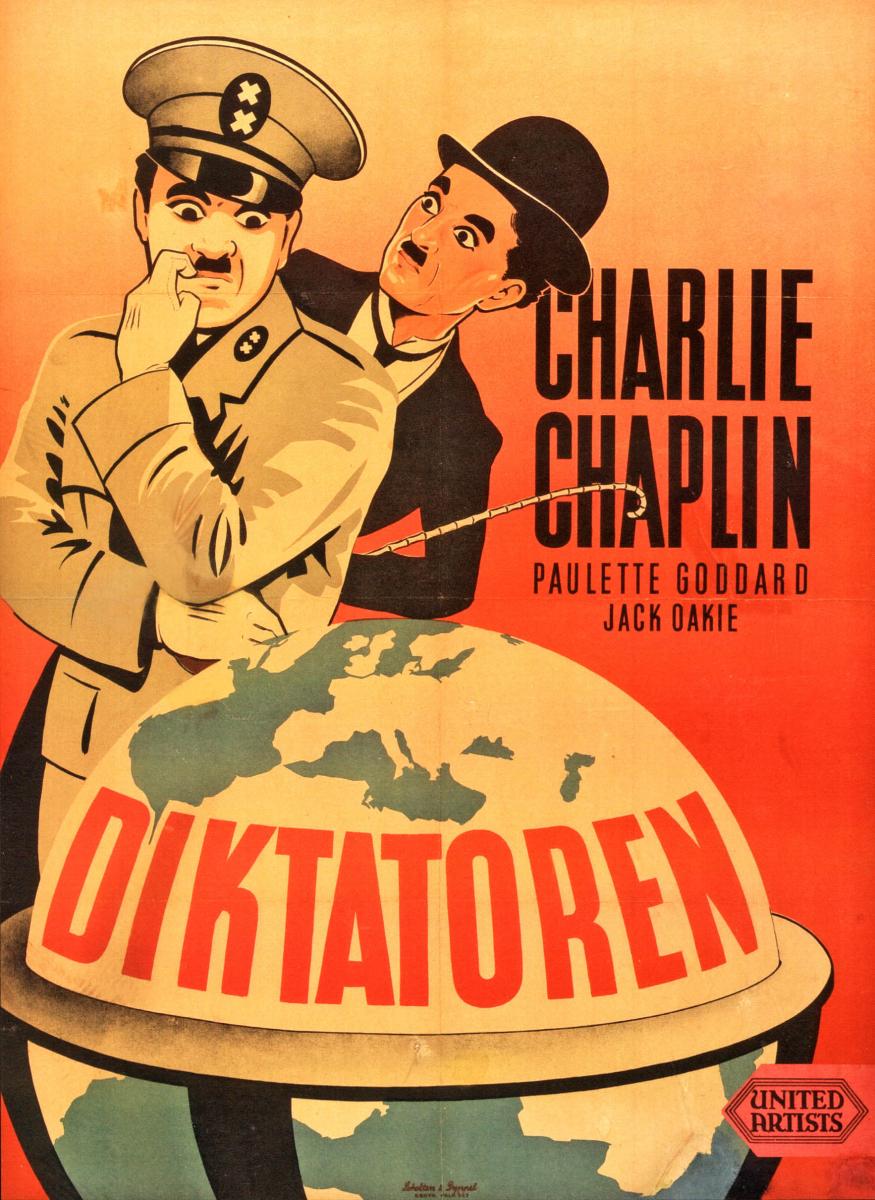

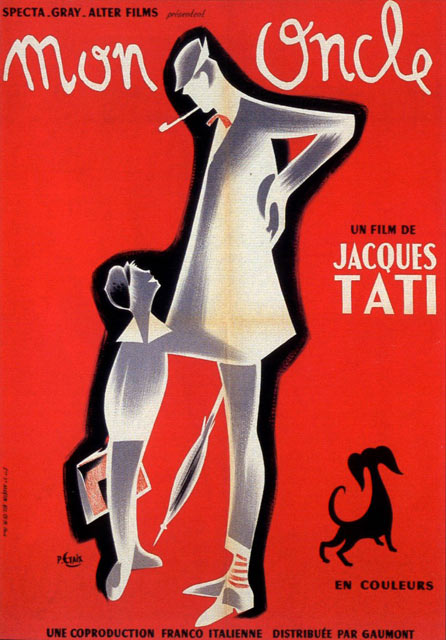


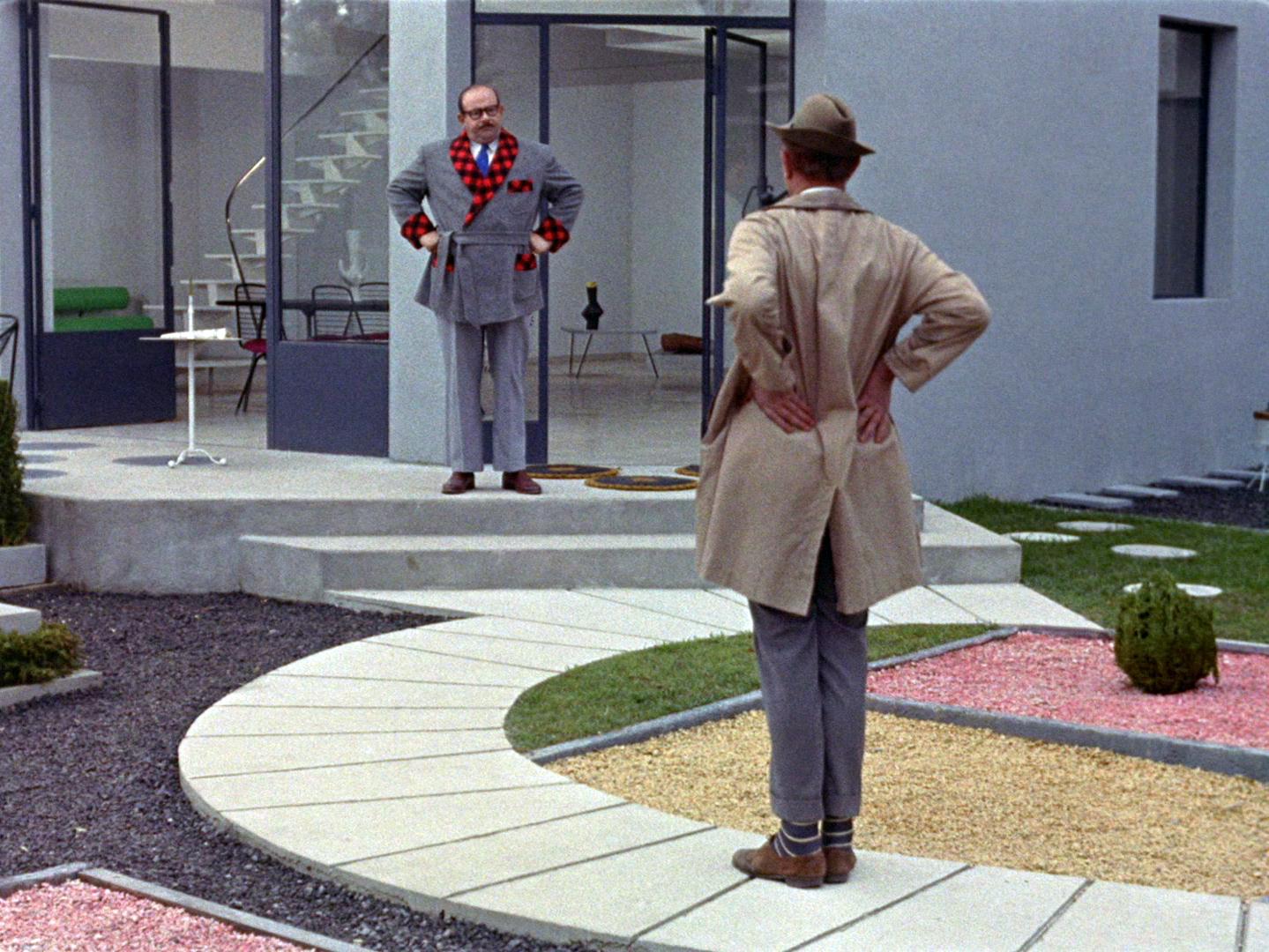


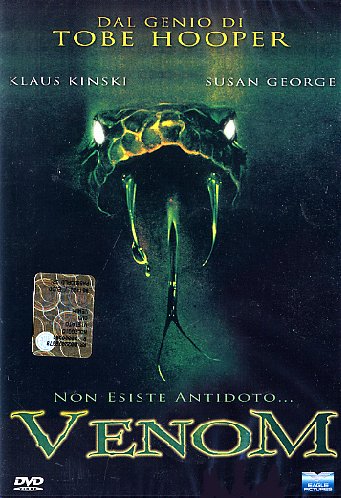


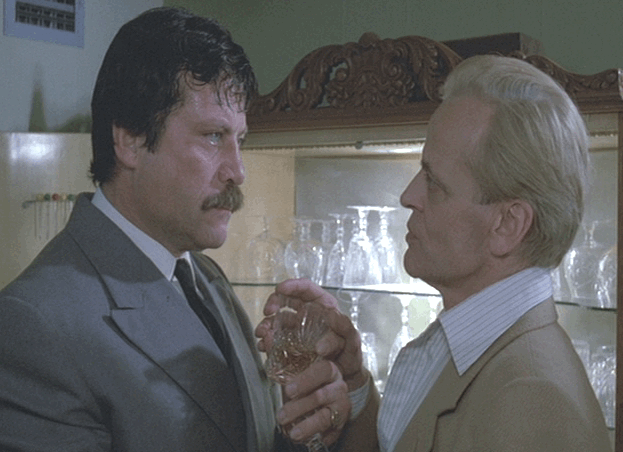
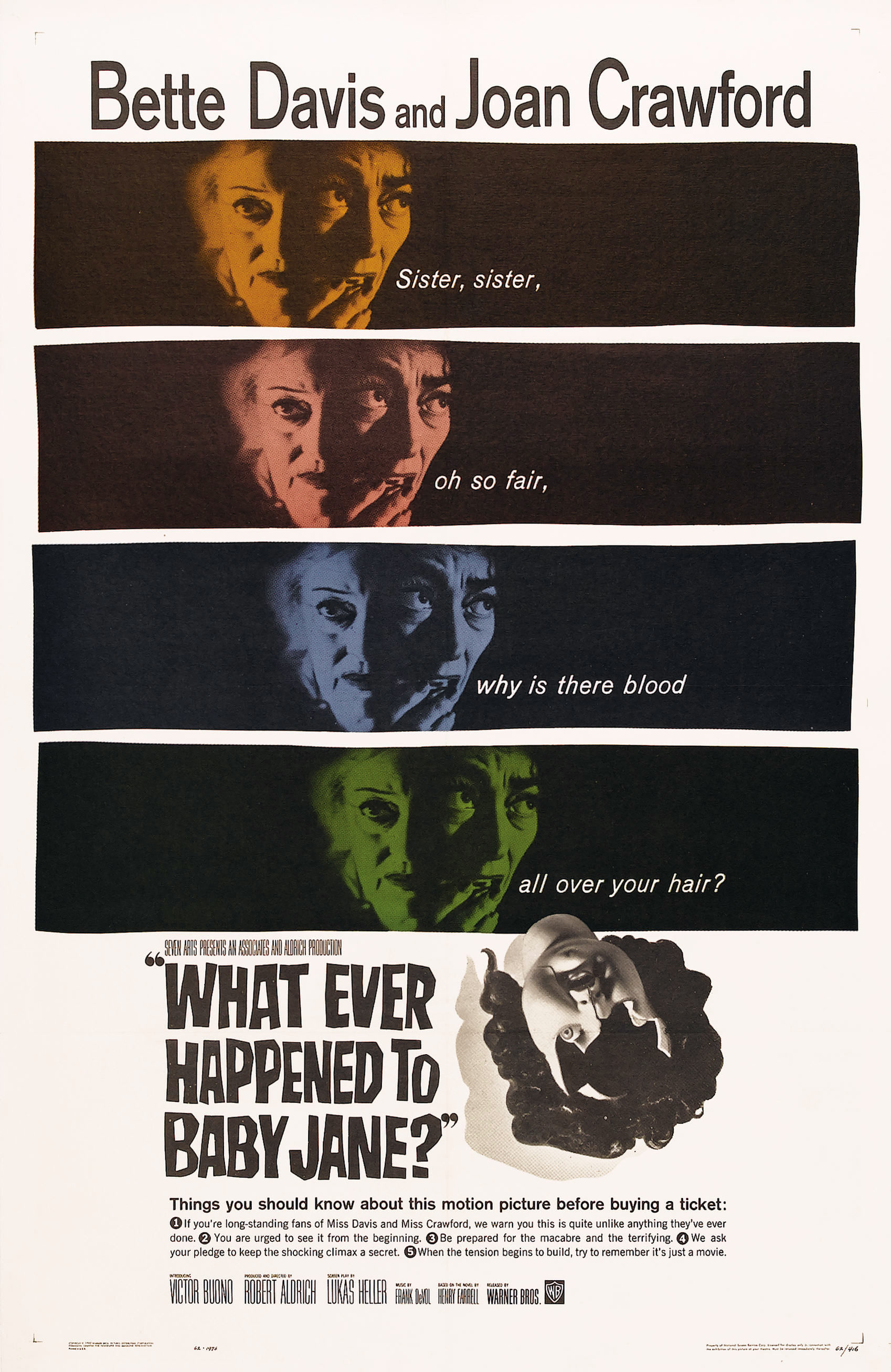
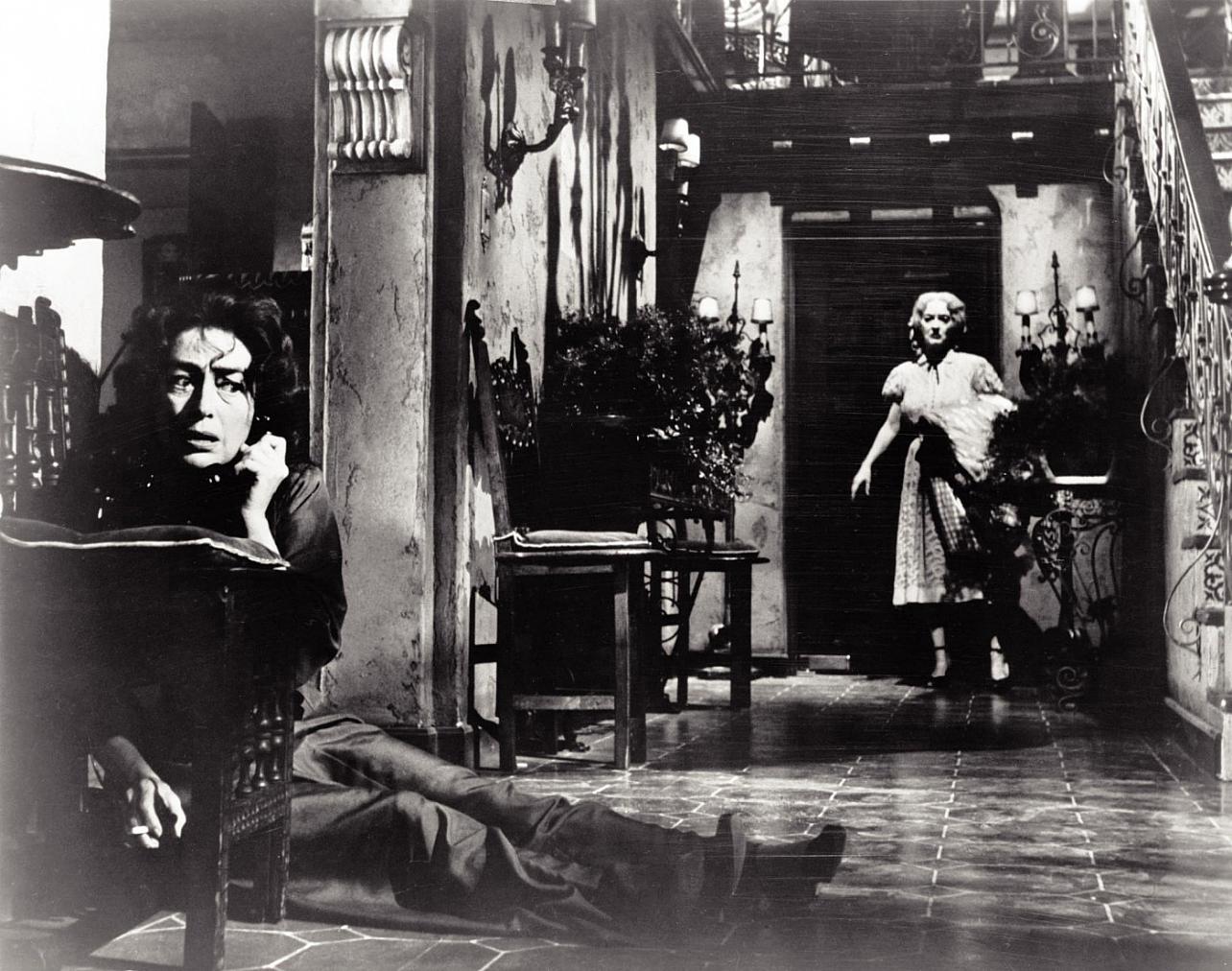




 drfreex.com