I’m in the bizarre, unenviable position of having too much to do, yet not being able to do any of it. I’m waiting on too many phone calls or e-mails to be returned, I have a teleconference coming up in two hours, which would be an okay space to pop in a movie but I’d feel like I was cramming it into that space, like a book slapped on top of other books on a shelf just to get it out of the way. That’s a bulky, cumbersome analogy, but I’m also operating on short sleep rations, so that’s all I’ve got.
So I might as well just ramble on here.
At the end of the year there was another “streamageddon” panic when a bunch of movies got cleared off Netflix Instant. Cooler heads attempted to prevail, some pointing out that licensing arrangements usually began or ended at the, yes, beginning or end of the month, and we seem to go through this at least twice a year when a bunch of licenses expire. A lot of the movies come back, some don’t.
Link that to something I see at least once a day on Twitter: “What? Why isn’t (Caddyshack/1941/insert name of movie) on Netflix?”
Then tell me again how physical media is dying.
Well, I’m going to admit that you have a point there, at least, but I think it’s largely because certain people want it to die, not because of any need or essential evolution of entertainment.
Up to roughly a hundred years ago, if you wanted to hear Beethoven’s Ninth Symphony, you had to go to a concert hall where it was being performed. If you didn’t live within easy traveling distance of one, or they were playing Mozart that evening, well, tough. No glorious Ludwig Van for you. The invention of the gramophone mitigated that somewhat, though admittedly the scratchy wax cylinder was a poor substitute for a symphony orchestra in the same room as the listener. New technology would work toward closing that gap in experience and quality.
Then again, sometimes you don’t want any Ludwig Van.
I was struck at one point last year by a critic talking about seeing The Seventh Seal at an art house in the late 50s, then having to wait years for the opportunity to see it a second time. To a modern film buff, that sort of experience is almost unthinkable. My copy of Seventh Seal is not ten feet from my desk. I can watch it again any time I want.
Yet, this is the same experience one gets from streaming media services. Am I somehow to believe this is better?
Ooooh dear.
Netflix cannot provide access to every movie everyone might like to see at any imaginable point at any time; that is simply impossible, so they of necessity attempt to maintain the most commercially viable mix they can. I’ve seen my fair share of odd, non-commercial movies on Netflix, so I can’t complain too loudly – but it still can’t beat a large collection curated by myself, for myself.
Where streaming does beat that, I will admit, is in the realm of clutter. I sit here typing this, surrounded by stacks of books and movies. If they ever, like in some EC comic book or episode of Twilight Zone decided to turn on me, I’m doomed, hopelessly outnumbered. The huge stacks of Marvel Essentials and DC Showcase Presents have already tried to end me twice. This, however, is the choice I made: movies I want to watch, books I want to read. There is some point I am going to require a viewing of Evil Roy Slade, some point where discovering the exact issue of Teen Titans the Mad Mod first appeared will be paramount. This is how I shape my world, and move about in it.
The general move toward streaming and that intellectual construct they call “The Cloud” is a move toward licensing content rather than selling it. I have somewhere around twenty books on my Kindle, and Amazon has proven they can rescind my access to any of these books at any time. I didn’t buy them, I only rented them, apparently. There is no such muddiness of ownership with a physical book. I have exchanged money for an item, which I can now deal with as I see fit; I can keep it, resell it, give it away, use it to level out an uneven table, or – heaven forbid – burn it.
Physical media is not, I think, truly going away, at least not in my lifetime. I’ve been hearing the death knell tolled for DVDs for quite some time, and the only real evidence I’ve seen there is the vanishing of Blockbuster and Hollywood Video stores. But that’s been the death of a mode of business, not the medium – they could not keep up with the one-two blow of streaming and Redbox kiosks, which offer, once more, convenience at the cost of choice.
If you’re a film buff, if you’re a collector, the realm of physical media is still quite robust. The last year or two has seen enormous growth in boutique labels catering to those markets. Warner Archive and its highly successful Made on Demand discs of vault movies, largely ignored in any realm except Turner Classic Movies (until they launched their own streaming service). Outfits like Vinegar Syndrome, Grindhouse Releasing, Code Red, Severin, Scream Factory and old friends like Blue Underground and Synapse, all producing niche product of outstanding quality.
So basically: streaming has a place on my buffet, but until A) their inventories truly proliferate, and B) I no longer have to pay an arm and a leg for broadband internet so I can enjoy such services at the same consistent level of quality as physical media – it’s going to stay at that subsidiary steam table with the egg rolls and the fried bread, while I’m concentrate on the entrees of the main table.
I know it may not seem like it, but I actually did watch some movies in the last month which did not feature a blind guy with a cane sword. Allow me to demonstrate:
It took me far too long to get around to the talkie version of The Unholy Three (1930). Jack Conway directs the sound version of the Tod Browning silent thriller from 1925 featuring three denizens from a circus sideshow, on the run from the law, who embellish their life of crime with secret identities. Echo the ventriloquist (Lon Chaney) masquerades as a sweet old woman who runs a pet store. Hercules the strong man (Ivan Linow) is her “son-in-law”, and a psychotic midget (Harry Earles, later much more sympathetic in Freaks) his infant son. The pickpocket Rosie (Lila Lee) is along for the ride as Echo’s granddaughter, but she’s falling for the pet store’s clerk, the square Hector (Elliott Nugent).
Their scam is pretty elaborate: Rich people come in to buy talking birds from Granny, but it’s Echo’s skills that give them voice (in the silent, this was cleverly presented with onscreen word balloons!). when the birds turn mute in their new homes, Granny pays a visit to examine them, with Earles along in a baby carriage. Left alone, the fake baby can case the joint for later burglary.
Things go south when Earles and Hercules rob a place on their own (while Echo as Granny tries to bust up the Rosie/Hector romance) and the two bunglers wind up murdering their victim. They quickly frame Hector for the crime, then take it on the lam to a remote cabin while Hector faces the music. This doesn’t go over too well with Rosie, though, who convinces Echo to go to the trial as Granny to clear Hector, leaving Earles and Hercules on their own to plot against the absent Echo.
There are at least two crackerjack sequences of extreme suspense in this version worthy of Hitchcock. The major emotion you’re left with, though, is an understandable yearning to see Lon Chaney’s Dracula. This is his only talkie, and he gets to show off every conceivable emotion; being alternately menacing and comical, even sympathetic at the end. It’s a good swan song, but serves to prove exactly what we lost with his untimely death, at a mere 47 years of age. Man, fuck cancer.
Just before the Christmas holidays, a direct download of Josh Johnson’s VHS documentary Rewind This! was made available for like 8 bucks, so I went hey, sure, and made with the Paypalling. Johnson casts a broad net, starting with collectors, then flashing back to the origins of the format, the format wars with Betamax, the rise of video stores, the role of pornography and the medium’s eventual downfall. But it always returns to collectors, who are the only reason, really, that we are even talking about VHS anymore. There are a few areas where I wish he had spent a bit more time, and some where I think he spent too much time (the section on video auteur Dave “The Rock” Stevens seems to go on indefinitely – but then, I also have to admit that he is the most animated of the interviewees). On the other hand, finding out that Cassandra “Elvira” Peterson is truly One Of Us is gratifying, and the guy with a Screams of a Winter Night poster on his wall made me smile. Warm nostalgia just flows over the whole endeavor. Well worth a watch.
I wish I could give as unhesitating a recommendation to Solomon Kane, based on the character of the same name created by Robert E. Howard, whom most of you will recognize as Conan the Barbarian’s daddy. Kane is usually described as “a dour Puritan” by Howard, and is a sword slinger literally worlds away from the Cimmerian. What Michael J. Barrett has done here is provide an origin story for the character that Howard never bothered to provide. It’s exciting enough, it’s undeniably well-made, but it’s also about a half-hour too long, and emotionally unengaging. James Purefoy as Kane requires some warming up to, but sadly, never quite manages that warming. It’s always good to see Pete Postelthwaite and Alice Krige, even if they are written out of the story pretty swiftly. And oh, look, it’s Max von Sydow, for whom ditto. Still, it’s good enough to hazard a glance if you’re interested. I didn’t hate it.
Worthy of far more than a mere glance is Fritz Lang’s The Testament of Dr. Mabuse (1933). I admit I cheated on this one – I really should have started with the earlier, silent Dr. Mabuse The Gambler (1922), but I picked the movie pretty late, and The Gambler is close to four hours long, and Testament is a mere two hours. Lang wasn’t interested in making short movies. In fact, the Criterion DVD has an interesting supplement tracing the differences between the original German version, and the French and eventual dubbed American versions, what was cut out and the likely reasons for same.
Testament has a marvelous opening as a man skulks around the supply room of a counterfeiting operation so massive the printing presses shake the walls. This guy will attempt to alert Police Inspector Lohmann (Otto Wernicke) of the operation, but the stress of constant attempts on his life drive him mad. Equally mad is our old pal Dr. Mabuse (Rudolf Klein-Rogge) who has been catatonic for years since the events of The Gambler, but has recently taken to silently, sedulously scribbling in notebook after notebook intricately plotted plans for an Empire of Crime based on terroristic acts.
Some shadowy somebody is using these notes to carry out Mabuse’s plans utilizing a highly organized network of criminal cells. A member of the counterfeiting cell, Kent (Gustav Diessl) balks at the shadowy figure’s insistence on murder, and along with His love Lilli (Wera Liessem), he finds himself in a deathtrap with a hidden timebomb when he tries to go to the police. The ultimate identity of the faux Mabuse is never in doubt, but at least half the fun is in watching the characters get there.
The best thing for a film fan is the realization that the grouchy Inspector Lohmann is a carryover from Lang’s earlier M (1931), which means that M and the Mabuse movies happen in the same universe. Lang’s rich portrayal of the various denizens of Mabuse’s underworld bears this out. Someone on the IMDb pointed out that any director would be proud to point to Testament as their crowning achievement, but for Lang, it was basically Tuesday night. It was also his last movie in his native Germany, as the Nazi party was coming to power, and apparently saw things in Mabuse’s Empire of Crime that looked too familiar…
Next up was Jamaa Fanaka’s final movie, Street Wars, which proved to be a very entertaining puzzle. I watched it for the Daily Grindhouse podcast, which should be dropping at about the same time I finish this column up, so go to that link and be stunned by my inarticulateness.
I had put off seeing Street Wars for ten years or so… long story… so the best way to follow it up was to watch another movie with an insane title that I had been putting off (but only for a year), and there it was on Netflix: Kill ‘Em All.
Basically, there are eight assassins (though only four are deemed vital enough to give Bond-style introductory vignettes), who are drugged and abducted by a Cabal of Assassins and placed in a locked room deemed The Killing Chamber. There, they are supposed to take each other on in a series of one-on-one fights to the death, until only one remains standing.
If you are thinking, “That sounds like a rickety device to make a movie that is simply fight after fight,” congratulations, you too have seen way too many of these movies. If you like martial arts fights, though, this movie is pure catnip, and it is smart enough to stage an escape from the Killing Chamber midway through so our remaining assassins can get some payback. The one unfortunate note is when our filmmakers cannot resist making one character say, “This sounds like a video game,” because that is basically what Kill ‘Em All is: the best video game movie ever made that was never a video game.
It also gives us a pre-stroke Gordon Liu as the head of the Cabal, still able to kick a generous quantity of ass at 58 years of age. Kill ‘Em All is definitely not for all markets, but chances are you already knew that, and you already knew if you were interested or not the moment you saw the title.
It was with little or no conscious irony that I followed that up with the acclaimed 2012 documentary The Act of Killing. After a military coup in Indonesia in 1965, there was a genocidal spree of around a million executions of “Communists, ethnic Chinese and intellectuals”. The death squads were recruited from the ranks of criminals and paramilitary outfits; the difference here, from other countries where such atrocities have taken place, is that these people were never even accused of war crimes – they are successful and even revered today.
Director Josh Oppenheimer focuses largely on one of these men – Anwar Congo, the most prolific executioner of his city, with somewhere around a thousand deaths to his personal credit, and several of his former associates. They were “Movie ticket gangsters”, selling cinema tickets on the black market, before their promotion to masters of life and death.
At first The Act of Killing seems to be a treatise on the banality of evil, with Congo nonchalantly describing how he developed a speedy way to kill his charges with a wire noose. Chilling, but I’ve seen several such documentaries over the last few years. Oppenheimer realizes this, and instead gives these former movie ticket gangsters – twisted film fans, who saw themselves as the characters of American gangster movies – carte blanche to make their own movie versions of their careers, in whatever genre they please. And they leap at the chance.
The bizarre nature of their choices builds fascination for the film’s second act. There is the expected film noir interrogation scenes (with some stunningly unexpected method acting from a victim), but there are truly bizarre scenes of gory horror and even surreal musical numbers.
It is during the restaging of one brutal massacre and burning of a village that we begin to see the awakenings of conscience in the formerly unrepentant Congo: “I didn’t realize it would look so horrible.” This carries through to one of the interrogation and execution scenes with Congo playing the victim, and finding that “I can’t do this a second time.” Watching the final, edited version of that scene, he finally breaks down in tears.
The emotional devastation in The Act of Killing thus comes from an entirely unexpected direction, from a man who spends most of the movie informing people that the name “gangster” means “free man”, and who feels his greatest achievement is a musical number where a man removes a wire noose from his neck and then hangs a medal on Congo, saying, “Thank you for executing me and sending me to heaven.”
The Act of Killing is already been hailed as an important movie. I realize not everyone is going to seek it out, but honestly, they should. There is a great deal of honesty here, and a major lesson in how history is, indeed, written by the winners, even if the winners are in drag.
The New Year has begun, work is ramping up again. The Criterion Zatoichi box set is designed to facilitate binge watching, but I know myself too well: familiarity can breed contempt, so I started leavening my Zatoichi-watching with other movies. We’ll get to those later; for now, here’s my latest Zatoichi watches:
Zatoichi the Outlaw (1967)
Right at the front, there it is, an announcement that this is the first movie by “Katsu Productions”. Star Shintaro Katsu had so much success with this series that he formed his own production company, which would continue on after the failure of Daiei, even producing two other popular series, Hanzo the Razor and Lone Wolf and Cub.
Outlaw is a pretty definite attempt to establish there’s been a change in management. As ever, Ichi manages to stumble into a conflict between two yakuza gangs. One, led once more by veteran heavy Tatsuo Endo, is using crooked dice games to bilk drought-stricken farmers of their money and, eventually, their land. The other, led by Boss Asagoro (Rentaro Mikuni), is more in line with what Ichi considers classic yakuza philosophy: live on the shadowy side of life, but look after the common man where you can. Endo is in league with the corrupt Inspector General Suga (Ko Nishimura), and continues to attempt to draw Asagoro into a war. To circumvent this, Ichi assassinates Endo, then goes on the lam for a year to escape the wrath of Suga.
This is unusual enough; usually the death of the bad Boss is at the end of the movie, and Ichi walks off into a gorgeous sunset, the entire story taking up maybe a week of subjective time. This time, though, we find Ichi keeping a low profile, falling in with a massage service filled with louts and fools, until word reaches the service that he is a wanted criminal, and Ichi hits the road once again, only to find out that in the interim, Sugo has made Asagoro the local constable, and the once-noble yakuza chief has fully gone over to the Dark Side.
An intriguing character throughout this is Shusui Ohara (Mizuho Suzuki), a fallen samurai who refuses to carry a sword. He is teaching the farmers about things like crop rotation and organizing into communes – let’s face it, he’s a socialist, and non-violent, to boot; another person who lays a guilt trip on Ichi for his swordplay. Fearing the growing popularity of this community organizer, Suga and Asagoro arrest him and accuse him of being an Imperialist, which is an executable crime under the shogunate.
So after his final showdown with the traitorous Asagoro (and it is thanks to Rentaro Mikuni’s talent and this new production regime’s sensibilities that we’re kept guessing as to Asagoro’s true intentions until the bitter, bloody end), Ichi must still rescue Ohara, giving the movie its most indelible image: the organized farmers carrying the wounded Ichi on a wooden panel in an enforced march through the countryside to intercept the transport carrying him to his death. Because the villagers, at least, realize that only Ichi has the skills to save their savior. True to form, after he is released, Ohara says, “So, you spilled blood on the land after all.” To which Ichi replies, “Yeah, but the land needs you,” and then, probably tired of this hippie bullshit, limps off, the farmers yelling their thanks but not offering him as much as a band-aid.
The Outlaw is the most political Zatoichi movie yet, and that lends it a philosophical complexity that oddly, I find I almost resent. It also shows Ichi at his most fallible, and there is only so much of the harm he causes in this story that can undone by more harm. I am apparently a simple, brutish lout who likes his stories black and white; more likely, Katsu had been thinking for some time that it was time for his franchise to grow up and deal with some of the ramifications of the avenging angel act. He’d tried to do this with Zatoichi’s Pilgrimage, but was outvoted by the studio heads at Daiei. Now his own boss, he could plumb the additional depths the series required to continue successfully.
Zatoichi Challenged (1967)
Once again, Ichi finds himself saddled with a child, and is determined to return him to his distant father. This time, though, the boy is six years old, and something of a brat.
With his usual impeccable timing, Ichi shares a room at a crowded inn with a dying woman, and promises to take her son to his father, an artist who lives in another village. First the two fall in with a traveling troupe of actors, an odd interlude that serves mainly, it seems, to spotlight the vocals of one of the actresses. This light diversion serves, at the very least, to introduce the fact that a local yakuza Boss named Gonzo (quiet, Thompson fans) is forcibly taking over the territory of the nicer Boss who’s been hosting the actors for years. The troupe’s troubles with Gonzo also serve to reintroduce a mysterious samurai from the prelude of the movie, Akazuka (Jushiro Konoe), whose wanderings will intersect Ichi’s with greater frequency.
Ichi tracks the artist, Shokichi, to a potter, where he was serving as an apprentice until he vanished a year before. The potter mutters about him hanging around Gonzo’s gambling dens before his disappearance, and thus detective Ichi goes to work, with a surprising amount of that work accomplished thanks to an impromptu massage appointment.
Ichi finds out what we’ve known for a while: Shokichi is a prisoner at Gonzo’s compound, and is being forced to design pornographic images for dishes and pottery that will be fired with gold and silver and sold to wealthy lords – a practice which was punishable under shogunate law by death. Akazuka is working as a government agent, and his orders are to kill everyone involved with this scheme, including the unfortunate artist. When Akazuka refuses to yield to Ichi’s pleas for mercy on the artist’s part, the two engage in one of the best fights in the series thus far. Superbly choreographed in a gentle snowfall, Akazuka proves himself a worthy opponent by lasting against Ichi longer than anybody else. In fact, at one point, Akazuka has won… but realizes that Ichi was willing to die for the artist, puts away his sword, and walks away into the snow, leaving a trail of his own blood.
This is the movie that the Rutger Hauer movie Blind Fury was based upon, with, of course, the pornographic crockery replaced by designer drugs. The presence of the child is probably what caused to the filmmakers to think this could be a commercially viable concept. In truth, the child is more a plot device than anything, and is so annoying we wonder why Ichi gets so attached to him. I don’t even recall Blind Fury getting a theatrical release (apparently it did, but not a wide one). It was largely shot in Houston, and my pal, the late Red Mitchell, had a small role as a Neo-Nazi thug who got zatoichied by Hauer, but he was cut from the final version. All I got out of the production was Tex Cobb threatening my life because I couldn’t roll a joint for him fast enough.
But back to Zatoichi. My man Kenji Misumi is at the helm again, and it shows in slow, purposeful unveiling of the plot. His skills kind of fail, though, to make that brat likable. Maybe that’s just me.
Zatoichi and the Fugitives (1968)
The Zatoichi theme song, introduced midway through Zatoichi the Outlaw, with vocals by Katsu himself, is now fully-formed – as does seem to be the new production regime’s mission statement, which is to take the title character and put him through seven kinds of hell. See how much damage he can take, and still kill everybody in the end.
The fugitives of the title are a band of sociopathic thieves who are murdering their way across the countryside, one step ahead of the law. Two of their number make the mistake of trying to take advantage of a blind man eating rice balls by the side of the road. Since that man is Ichi, they’re both going to die quickly once their swords come out (one with a hypertensive geyser of blood that presages Shogun Assassin). This is witnessed by Oaki (the devastatingly cute Yumiko Nogawa), the female hanger-on of the bandits, ensuring that the rest of the gang will be gunning for a blind man. One of them literally – his specialty is a pistol.
Ichi is going to cross paths with these fugitives several times, and pass up the opportunity to cut them to pieces several times. This speaks to his growing distaste for using his deadlier skills – he prefers to use his reputation to scare the local Boss into releasing an ailing girl from her indentured servitude – but he will pay dearly for that charity, as will several others. The Boss-turned-corrupt-official will use the gang to slaughter the village headman and his family, then Ichi will be severely wounded by the gun-packing bandit.
Ichi has, meantime, taken up with the local doctor (the always welcome Takashi Shimura), a genuinely good man with a surprising link to the band of fugitives. The Boss takes the doctor and his daughter prisoner, hoping to force them to reveal where the wounded Ichi is recuperating. He might as well have signed his own death warrant, as the half-dead blind man is limping his way to the compound in a driving rainstorm to rescue his friends, resulting in one of the greatest reveals in action cinema: a bloody, soaked Ichi stepping out of the darkness and telling the Boss in a sepulchral tone, “I have returned from Hell for you.”
This is one of the darkest Ichi stories yet; it’s a general darkness that seems to have flowed through world cinema in that troubled time. By the final scene, Ichi has done precisely what he had to in order to survive, but he senses that this very act has rendered him an outcast from the very people he has been trying to save. Bleeding, exhausted, he limps into the night, and that melancholy theme song plays again. It’s a surprisingly downbeat denouement, the bitter fruits of this harvest. A similar ending was attempted in Zatoichi the Outlaw, but it is far more successful here. It resonates perfectly with Ichi’s growing discomfort with his role as avenging angel, and just feels remarkably complete, if that makes any sense.
If the series had to end anywhere, this would have made a perfect stopping point. Fortunately, I don’t get to make that call, and still have seven movies in the set to watch.
It’s inevitable in the course of 25 movies that I would hit one that I found less than impressive, and with The Doomed Man I hit that particular wall. The movie begins with Ichi being caned for “illegal gambling”. In a flashback to his jail cell the previous evening, we see the man in the next cell telling Ichi that the officials do this every so often just to make an example. This man, however, is Shimazo (Koichi Mizuhara), a yakuza second-in-command who was running a simple errand for his Boss, but who was arrested the second he hit town, accused of crimes – including murder – he did not commit. He begs Ichi to tell his Boss what has transpired, so his name can be cleared and his life spared.
Ichi, however, has a moment of clarity on the road and realizes that every time he does something like this, he winds up in trouble. After winning big in an archery contest, Ichi finds himself in the company of a “mendicant monk” (read: con man) played by comic actor Kanbi Fujiyama, and events seem to guide him to the same village Shimazo begged him to visit. Not the least of which is that the monk has a new con: pretending he is Zatoichi, getting exorbitant fees from desperate minor yakuza bosses, running up a bar tab, and splitting town.
This is the most straightforward Zatoichi plot yet, and for some reason that makes me feel cheated. Half the fun of previous entries was watching the convoluted relationships eventually come together as Ichi assembled information; here, it’s pretty much given that the two Bosses involved are at fault for Shimazo’s plight and one interrogation later, Ichi has the letter that will save his life. Under these circumstances, the subplot with the monk seems like mere filler, although it has one of the better set pieces, when a group of killers seeking Zatoichi descend on the fake one.
It’s also not a Zatoichi movie without that massive final fight, and Doomed Man makes up for any shortcomings with a ton of murderers trying to stop Ichi from delivering his letter on the fog-enshrouded docks of a fishing village. That and some beautiful scenic photography raise this movie above the average, and it is really only because of the extraordinary quality of the movies preceding it that I would condemn a movie for merely being average.
Zatoichi and The Chess Expert (1965)
The twelfth movie is a return to form, as the plot is so intricate the last set of characters isn’t even introduced until halfway through the movie.
At this point Ichi is trying very hard to kill only as a last resort, illustrated by the opening sequence where he is attacked by five yakuza and he only wounds them, content to let them retreat. Of course, that also means they’ll still be pursuing him through the picture, but so be it. Ichi then makes the acquaintance of a wandering ronin obsessed by dai shoji, often called “Japanese chess”. Ichi likes the game, too, and the ronin, Jumonji (Mikio Narita) is impressed by the blind man’s ability to play without seeing the board. The two wind up traveling together, and Jumonji begins playing the game blindfolded, to even the match.
Ichi is also running the same scam he used at the very beginning of Tale of Zatoichi to bilk large sums of money from dishonest dice gamblers. This puts another yakuza gang on his heels, and during one donnybrook, a passing girl is injured. Ichi, who feels the call of giri (duty) more keenly than other supposedly honest men, takes it upon himself to raise the money for the expensive medicine the girl will require to recover from the ensuing infection and fever. This leads to one of the best, most suspenseful sequences yet, as Ichi fends off an attack from the yakuza in a reedy swamp, releases he has lost the precious box of medicine in the reeds during the fight, and searches the area with increasing, literally blind, desperation.
Kenji Misumi has become my favorite director in the series, with this, the very first movie, and the Zatoichi-with-a-baby flick Fight, Zatoichi, Fight. Misumi doesn’t skimp on the swordplay, but also takes his time with the plot and the development of relationships, and this yields some stellar moments. He always finds a way to let Katsu show some genuine, deep emotions, and his Zatoichi movies – this one especially – display a moral complexity that leaves the viewer chewing over possibilities long after the first pass.
Zatoichi’s Vengeance (1966)
Once again Ichi finds himself in possession of a package to be delivered, and once again he determines not to do it, and once again, fate pushes him in the proper direction to not only fulfill the duty thrust upon him, but to make another delivery of king-sized whoopass on those most deserving it.
This time Ichi receives a purse from a dying man killed for cheating at dice; the ronin hired to butcher him (Shigeru Amachi) also winds up at the village where the dead man’s son lives, a village only recently taken over by a cruel yakuza boss. This, of course, is the gang that you know Ichi will inevitably turn into Bad Guy Soup, but things are complicated by a blind monk (Jun Hamamura) Ichi encounters on the road, who constantly lays a guilt trip on the masseur about his violent ways, and how those ways are corrupting the admiring son. This results in Ichi allowing himself to receive a humiliating beating from the thugs, to rob the boy of his new idol – and that will lead to the vengeance of the title.
There are some nice variations on the usual Zatoichi themes here. Ichi has been dealing with his conscience on matters of violence before this point, and is only too keenly aware of the impact of his actions on the boy, to the point where he begins carrying a normal cane instead of his cane sword. The problem is, assholes keep being assholes, which something even the monk admits when Ichi, after his beating, comes upon the yakuza attempting to kidnap a woman to extort even more money from the merchants, and he exacts the first down payment on his vengeance. The monk is trying to make some sort of point about a Zen-like duality in his responses, but let’s face it: he’s just screwing with Ichi’s head.
This is Amachi’s second appearance in the series, playing a character diametrically opposed to the noble, tubercular samurai of the first movie. His character here, Kurobe, is a samurai who has definitely lost his way, and his personal path to ruin has also destroyed the life of his lover, who is now a prostitute in a local bordello. Kurobe must kill Ichi so the Boss will pay off her debt to the brothel and they can begin their lives together anew; but it is not a conclusion that she even wants anymore, nor is it likely, given Ichi’s skill.
Zatoichi’s Pilgrimage (1966)
As ever, I am indebted to Criterion’s supplementary material, and especially Chris D., for pointing out to me things that are not quite so obvious on a first pass. Pilgrimage has a different feel from previous Zatoichi movies, and this was originally by design; director Kazuo Ikehiro and star Katsu brought in Kaneto Shindo, the director of Onibaba (and, in a couple of years, Kuroneko) to pen a tale of Ichi traveling to the 88 temples of the region to pray for the spirits of those he has killed. He also prays that he will not be called upon to kill again.
Ichi is praying to wrong gods, or, more to the point, the heads of Daiei Studios worshipped different gods entirely; the Zatoichi movies were its only consistent money-makers, and the story was quickly rewritten to provide a more typical experience. A lone bandit ambushes Ichi shortly after his prayer, and Ichi reluctantly follows the dead man’s remarkably intelligent horse to the man’s home – where he will, against all odds, fall in love again, this time with the sister of the man he cut down.
The Boss who sent the doomed man to kill Ichi is determined to take over the entire area, including the sister and her house. The wily villagers – or “weasels” as the sister refers to them, prefer to just sit back and let the infamous Zatoichi take care of their bandit problem. This leads to a High Noon-style showdown, with the badly outnumbered Ichi taking on the gang as the sister pounds on doors, uselessly begging the villagers to help.
Ikehiro isn’t using the same frenetic camerawork he employed in Chest of Gold or Flashing Sword; he uses, instead, a very fluid, moving camera that still sets this apart from the more passive point-of-view of other entries. One can bemoan the what-if, the introspective Zatoichi movie that was lost to a more commercial product; but Pilgrimage is still refreshing enough in its approach to make it stand out from its brethren.
Zatoichi’s Cane Sword (1966)
That’s an unusual enough title, but what you’re not expecting is how appropriate it turns out to be.
Ichi finds his usual dying man on the road, then circumstances route him to that man’s village, where, as usual, a predatory brute of a Boss and his thugs have taken over from the benign dead guy on the road. What elevates this movie above the usual is that Ichi has a chance meeting with Senzo (Eijiro Tono), an alcoholic blacksmith who was once a renowned sword maker. Senzo recognizes Ichi’s cane sword as the work of his mentor, and his trained eye also detects a tiny crack in the blade. He estimates that the sword has one more good blow in it, then it will snap.
Ichi leaves the cane sword with Senzo, as a memento of his past master, and that is the crux of what makes this movie so good: Ichi will spend the better part of the story bladeless, surviving only by his quick wits and formidable reputation (the fact that he can still dole out a serious beating with a common staff versus bullies with swords is a definite plus).
Eventually, though, Ichi is going to have to return to Senzo to retrieve his cane sword, because the evil Boss and an equally corrupt Inspector General must be stopped, a maiden’s honor must be protected, and lots of bad guys are being mean to honest people. The resolution regarding the movie’s title character is somewhat telegraphed, but that doesn’t make it any less satisfying. This is an especially entertaining attempt to vary the Zatoichi formula, and fifteen movies into the series, that variation is very welcome, indeed.
I’m going to pretend that we all know about who Zatoichi is and get right to the point. Right after this commercial from the Criterion Collection for the box set that’s been consuming my free time:
Zatoichi and the Chest of Gold (1964)
It has been rightly pointed out that the Zatoichi movies only have one plot: Zatoichi comes to town, finds some people in trouble, turns the bad guys into hash (including at least one opponent smart/skilled enough to give him a challenge), and then leaves town. Where the fun comes in is the differing natures of the conflicts, and in this case (and the movie that follows it), the energized, often frenzied camerawork of young director Kazuo Ikehiro.
This time, a group of farming communities has managed to scrape together enough money to pay off the corrupt magistrate’s taxes, and, of course, the chest holding the money (with a large sign that reads “TAX PAYMENT”) is hijacked by thugs working for the magistrate. Among them is Tomisaburo Wakayama, making his second appearance in the series, this time as a cruel ronin named Jushiro, who has a fondness for the whip.
Ichi, who traveled to the main village to do penance at the grave of a man he killed almost by accident back in the first movie, gets blamed for the theft, as does a local yakuza formerly revered by the farmers, Chuji Kunisada (Shogo Shimada) (Kunisada is an actual historical character, and the subject of at least three other movies, which explains his eventual disappearance from the story). Ichi, of course, promises to get the chest of gold back.
Once more, Ichi proves himself a saint by not only working to retrieve the farmers’ gold, but by putting up with a ton of abuse – twice – from the panicking mob, when he could obviously cut down the lot of them. Another startling addition by director Ikehiro is stage blood. Ichi’s previous outings were all of the “clean cut” variety, but there’s a fair amount of the red stuff in evidence here, and it’s pretty shocking in relation to what has come before.
Zatoichi’s Flashing Sword (1964)
The prologue has Ichi dozing in a bath house, and a bunch of yakuza considering killing him in his sleep. Ichi is bothered by buzzing flies, however, and rouses himself long enough to bisect several flies in flight – causing the yakuza to reconsider their plan. Ikehiro’s camera weaves about the room, giving us the fly’s Point Of View, presaging the imaginative camerawork of Scott Spiegel in movies like Intruder and Texas Blood Money.
In the movie proper, Ichi gets shot in the back by a rogue yakuza trying to make his name. The wounded masseur is pulled from a river by a passing lady and her retinue, and she pays to have his wounds treated. Ichi travels to her village to thank her for her kindness, and finds himself, once again, embroiled in a conflict between two yakuza gangs. The first, headed by the charitable lady’s father, is pretty benign, controlling the traffic at a river ford and looking out for the workers. The opposing boss, nowhere near as nice (and has the bad teeth to prove it) wants the river ford franchise, and is conniving with the local magistrate to take it over.
Ichi is upset, feeling that a yakuza working with a magistrate is the lowest of the low, and helps out where he can (did I mention that the good Boss’ estranged son is the guy who shot Ichi in the back? And that Ichi is going to wind up saving the young thug’s ass?). Eventually, though, Zatoichi’s reputation works against him, and the threat of the magistrate finding out the good Boss is harboring a violent fugitive forces Ichi’s ouster from the compound; of course, this leaves the good guys open to slaughter from the bad guys. Which leads to a pissed-off Zatoichi stalking the bad guy compound, cutting down candles and villains alike as fireworks illuminate his housecleaning in bright greens and reds.
It’s been pointed out that Flashing Sword feels a bit rushed, and the plot is a bit more clear-cut than is usual in a Zatoichi movie; we never once see this conniving magistrate we hear so much about, nor his compound. But the money and time is put where it needs to be, and Ichi’s avenging angel act, extinguishing lights and encouraging cowardly gangsters to come into dark rooms and find him, is one of the best in the series so far. Katsu also gets to exercise his comic muscles quite a bit in the first act, leavening the mood.
Fight, Zatoichi, Fight (1964)
It seems like any franchise of any length is eventually going to get a baby thrown into the mix, and usually with disastrous results. This time, Ichi accepts a discounted ride in a palanquin, unaware he’s being followed by five assassins. While the assassins rush to a point where they can ambush the conveyance, Ichi and the two bearers encounter a woman carrying a baby, who has collapsed by the side of the road. Ichi insists she take over his ride, with disastrous results for her when the assassins plunge their swords into the covered palanquin.
An investigation in the village uncovers that the woman had been left for collateral for a loan taken out by her husband, a merchant down on his luck. She had worked off the debt and given birth to the merchant’s son in the meantime. Ichi determines to deliver the boy to his father, 65 miles away, though there is still the problem of the five assassins, and the pickpocket Ichi encounters on the way (and hires as a nanny). Along the way he will bust up a crooked dice game, kill yakuza while changing a diaper, and form quite a surrogate family with the baby and the pickpocket, who is so overcome by her love for the baby and Ichi’s honor that she swears to reform her ways.
Here’s a bit of a SPOILER, so you may want to look away: Ichi becomes quite attached to the baby, and despite his reluctance, delivers the boy to the father – only to discover that he is not the hard-working merchant he had imagined, but a newly minted yakuza who used the loan to get rid of his wife for a much more advantageous marriage. Ichi vows to raise the boy himself, until convinced otherwise by a kindly but stern monk. Ichi leaves the boy with the monk, realizing that this course represents the child’s best chance at a decent life. “Teach him to read and write. Raise him to be a good man.”
Then Ichi goes to face off with the last surviving assassin, who has teamed up with the baby’s father to ambush Ichi with a torch-bearing mob. Katsu, his kimono on fire, still takes care of business.
At this point, there are a lot of things you expect from Zatoichi. He’s been pretty endearing so far, but you do not expect him to be downright cute, or, finally, to break your damn heart. Director Kenji Misumi returns to the series with this entry, and his calmer esthetic works well for this storyline; the sentiment is neither forced nor mawkish, though it certainly could have been. There is still plenty of action, but Fight, Zatoichi, Fight stands out as a novel chapter in the franchise.
Adventures of Zatoichi (1964)
The Bond-like vignettes vanished with the last entry, and the stirring music by Akira Ifukube seems more and more spaghetti western influenced, with a thrilling flamenco guitar motif. This time Ichi is traveling to Mount Miyagi to “welcome the sunshine of the New Year”, and accepts a letter from another traveler to deliver to a maid at an inn. He reaches the village and finds it crowded with traveling vendors and entertainers, all groaning under onerous new taxes from the local Boss in league with a corrupt official (of course).
The inn is crowded and Ichi winds up sharing a room with a young lady searching for her father, a village headman who was daring enough to protest the new taxes making life unbearable for his townfolk. This is another thread in one of the most elaborately tangled plots yet, until one scene where a hurried confession ties it all together like the Dude’s ruined rug.
Add to this the local elderly drunk, who Zatoichi thinks may actually be his long-lost father, and the picture’s Big Bad, a ronin named Gouonosuke, the third son of a lowly retainer who is so desperate to prove himself that he sets his sights on Zatoichi. It’s a remarkably well-rounded performance by Mikijiro Hira, who fans of Criterion releases of chanbara flicks will recognize from Three Outlaw Samurai and Sword of the Beast. Jumbled as the plotlines may be, they come together well in one of the more emotionally complex of the Zatoichi movies.
Zatoichi’s Revenge (1965)
The spaghetti theme is in full bloom under the opening credits, simple black on a white background. There are two assassins on Ichi’s trail this time, as his wanderings bring him back to the village where he learned the art of massage. He also discovers his former teacher has been murdered, and the teacher’s daughter indentured to the local Boss’ brothel to pay off a loan made to the teacher just before his death. Of course, none of this sits well with Ichi.
The lion’s share of this movie deals with Ichi’s chance encounter with a dice thrower at the Boss’ gambling den, Denroku the Weasel, played by veteran comedian Norihei Miki. In his ongoing campaign to bring the Boss (and the obligatory corrupt magistrate) down, Ichi visits the dice game, and as usual is winning nicely until Denroku is brought in as a cooler. The scenes where Ichi reveals the tricks involved in cheating are always a treat; something is always going to get cut in half in some extraordinary way.
Denroku has a soft spot, an eleven year-old daughter he has been raising himself, and the Boss puts pressure on that spot, eventually driving both to betray their friendship with Ichi – which yields surprising results.
Ichi himself will betray one of his own codes, that he never strikes first, but it’s forgivable when his targets are two of the most vile villains yet, indulging in embezzlement, murder, rape and forced prostitution with an unholy glee, beating and starving the indentured, unwilling women. Some of these scenes are pretty hard to watch, but you can get through them secure in the fact that there is some shit that Zatoichi simply will not tolerate.
You also begin to get the impression that one of the reasons the Tokugawa Shogunate eventually collapsed was under-population, as Ichi seems to cut through about a hundred thugs per movie, at least. Not that I’m complaining – that’s what I’m here to see. And so, apparently, was the Japanese public, as we are only ten movies into a twenty-five movie set.
I’ve been aware of, though not necessarily a fan of, the character Zatoichi for years. Traveling masseur, blind Yakuza, compulsive gambler, master swordsman. He was created in a popular short story by Kan Shimozawa in 1948. In 1962, the samurai flick was undergoing a renaissance – this is the time of Yojimbo, Sanjuro, Hara-Kiri. Daiei Studio wants in on this, and brings the short story to the screen, developed by a young actor named Shintaro Katsu, and what was once an incidental character becomes the linchpin of one of the longest-running film series in the world.
In late November, Criterion released a massive box set of 25 of the 26 Katsu movies (lacking only Katsu’s swan song, the 1989 Zatoichi the Blind Swordsman), and the fates were exceedingly kind on its timing, as the street date was during the Barnes & Noble regular Criterion 50% off sale, rendering the set affordable by mere mortals like myself (if you ignored every other Criterion title during that sale, anyway). Reproduced in the lovely illustrated book that comes with the set, is that original Shimozawa short story, allowing the viewer to start off where the Japanese public did, almost tabula rasa, knowing of the character, but not much.
The Tale of Zatoichi (1962)
Ichi (the zato is a prefix meaning, among other things, “blind”) travels into town to accept the invitation of yakuza boss Sukegoro (Elijiro Yanagi), who once saw Ichi’s impressive swordplay. Sukegoro is counting on Ichi’s skill for an upcoming war with rival boss Shigezo, mainly because his opponent has hired an itinerant ronin, the tubercular Hirate (Shigeru Amachi) as his muscle. Unfortunately for both bosses, Hirate and Ichi meet while fishing at a nearby lake, and the two warriors immediately recognize each other’s weary dignity and honor, and they become drinking buddies. Hirate’s illness reaches a crisis, and Sukegoro seizes the opportunity to attack, insulting Ichi and throwing him out as “useless”.
Too bad that Shigezo has appealed to Hirate’s respect for Ichi on the samurai’s sickbed; the boss sighs that without Hirate, he’ll have to dispatch the blind man from a distance, with his secret weapon, a rifle. Hirate rises, calling for his kimono and sword, rather than let his friend die by such cowardly means. Which means that Ichi, on his way out of town, finds out the ailing Hirate is at the battle, cutting a swatch through Sukegoro’s men even while coughing up blood, and hastens to join. He and the samurai have a final, frenetic battle on a bridge, and Hirate gets what he had wanted: death at the hands of a respected foe, not some weasel with a gun. Sukegoro is victorious over the demoralized clan, but Ichi, enraged that a good man died to no fitting purpose, tells off the boss, arranges for Hirate’s funeral, and leaves his sword cane at his graveside.
Ichi giving up his signature weapon at the end is the surest signal that Daiei had no idea what they were unleashing upon the Japanese movie scene. Make no mistake, this is the Dr. No of Zatoichi movies; the character, not yet fully formed, is still compelling, though there are times he seems to be a guest star in his own movie. The Japanese love to root for the underdog… who doesn’t? … and Ichi’s willingness to endure abuse until the time is right casts him in this light until he reveals he has the power to put down bullies quite permanently. In addition to his dazzling swordplay, we are introduced to his acute hearing (and gambling compulsion) when he opens the picture by running a nice scam on some low-level yakuza who think they can cheat a blind man at dice.
The swordplay is at a minimum in this entry, and might not be the ideal entry point for a casual viewer looking to get into the Zatoichi series. But the time put into establishing the Hirate/Ichi friendship is well spent, and we are introduced to the fact that Ichi is a powerful chick magnet. Women – never the most respected people in any culture, certainly not in Edo-era Japan – sense his common decency, despite the fact he considers himself wicked and beyond redemption; a result of the many people he’s cut down in his career, some of which he regrets. This is the first time we will see him walk away from the love of a good woman, the waitress Otane (Masayo Banri, taking a break from her usual sex kitten roles) – but certainly not the last. Overall, it feels a lot more like the previous year’s Yojimbo than a Zatoichi movie – but that will change.
The Tale of Zatoichi Continues (1962)
Surprised by the success of Tale of Zatoichi, Daiei rushed out this sequel, which only runs a trim 72 minutes. One of the benefits of such a short length is the story moves forward briskly, and if there were not so many plot points carried over from the first movie, I would almost recommend it as an entry point into the series.
Ichi – who has procured another sword-cane – is journeying back to the temple of the first movie to fulfill his promise to visit Hirate’s grave after a year. Along the way, he’s spared the trouble of dealing with some thugs who try to ambush him by the intervention of a one-armed ronin, Yoshiro (Tomisaburo Wakayama, moonlighting as Kenzaburo Jo). Trying to earn some money, Ichi is called upon to massage a Lord, who misbehaves in a most unLordly manner – turns out the Lord is insane, and in order to keep Ichi from telling anyone, his retainers sends out a couple of men to kill the blind man. This goes about as well for the killers as would be expected.
So the retainer hires the yakuza Boss Kambei (Sonosuke Sawamura) to track down and kill Ichi. Meantime, Boss Sukegoro, hearing that Ichi is returning, is also plotting his death. While the retainers are searching every inn for Ichi, he falls in with a prostitute named Osetsu (Yoshie Mizutani), who is a dead ringer for Ichi’s former love – and also the former love of that mysterious Ronin, Yoshiro. To cut to the chase, Yoshiro is Ichi’s brother, only pretending to be a samurai, and he lost his arm in a fight with Ichi over that very same long-lost love. Yoshiro is on the lam for robbery and murder, and Kambei and Sukegoro join forces to take down both men. On top of all that, the pretty Otane is back, scheduled to marry an honest, nondescript carpenter, a match of which Ichi heartily approves.
Even at this truncated length, the pacing is much more even in this entry, even as the complexity of plot that will be a trademark through the series surfaces, and there is much more swordplay. Tomisaburo Wakayama was Katsu’s brother in real life, and it’s not the last time he’ll crop up in the Zatoichi series. There’s a bit of eerieness whenever he does, since I know him best from the Lone Wolf and Cub movies. Crossovers with other film heroes is still in Zatoichi’s future; but it’s hard to not get all tingly at the prospect of a Zatoichi/Itto Ogami team-up.
New Tale of Zatoichi (1963)
Daiei finally realized they had something special on their hands, and the third entry in the series is the first in color, to marvelous effect.
Ichi, sick of all the killing, travels back to his old territory. On his trail, though, is the brother of Boss Kambei, Yasuhiko (Fujio Suga), seeking revenge. This vendetta is put on hold by Ichi’s sword mentor, the fallen samurai Banno (Seizaburo Kawazu). Banno runs a fencing school, and laments the fact that none of his students ever practice with Ichi’s passion or precision. At one point, Banno overcomes Ichi’s aversion to showing off his skills by pressuring the masseur into a dazzling display of his draw, slicing through four candles in one move.
Banno is, however, involved with a group of anti-Shogunate samurai called the Mito Tengu (who might as well have saved their time, the Shogunate s going to collapse all by itself in twenty years or so). Needing money to fund their crusade, they plot to kidnap one of Banno’s wealthy students for ransom – Ichi’s demonstration is only the device to get the student out of his house at night.
Further complicating matters is Banno’s little sister Yayoi (Mikiko Tsubouchi), who has blossomed into a young woman during Ichi’s absence. Banno hopes to marry her to a wealthy samurai, which would be his ticket back to the capital city of Edo, and the high life. Yayoi resists this idea, and in fact proposes to Ichi, a man she has known almost her entire life, and whom she knows to be good. This leads to perhaps one of the most touching scenes in the series, as Ichi swears off the sword forever, only to be confronted by the vengeful Yasuhiko. When Ichi refuses to duel him, they proceed to play dice for the masseur’s fate: if Ichi wins, Yasuhiko will forswear his vendetta and leave the two to their lives together. If Ichi loses, Yasuhiko will take his right arm.
Ichi loses.
Yasuhiko, however, seeing the genuine love between the two, flips over one of the dice, announces he’s lost, and leaves the compound.
Banno, however, will not agree to the marriage, because Ichi is a mere lowlife yakuza and Yayoi, is after all, samurai. Banno has, in fact, decided to betray the Mito Tengu and take the ransom for his own use, to fund Yayoi’s wedding to that wealthy samurai. Just in case we haven’t figured out Banno is a heel, yet, he also kills the unarmed Yasuhiko because the man drunkenly insults him.
It’s that murder that causes Ichi to follow Banno, free the hostage from the Mito Tengu, and waste all the bad guys, including his dismissory mentor, all before the shocked Yayoi. Ichi sighs that he just seems to be That Sort of Person Anyway, and walks off into the night.
This is apparently the last time we are going to get such a concentrated dose of Ichi’s backstory; Daiei realized that if they were going to milk this franchise for all it was worth, they were going to have to be much more parsimonious with such details. The fact that Ichi is ready to give up his itinerant existence is something of a shock in only the third movie of the series. This still isn’t an ideal entry point for those reasons. The color photography, though, is sumptuous.
Zatoichi the Fugitive (1963)
New Tale seems a bit studio bound, especially in contrast to Fugitive, which finds Ichi on the road, even participating in a village Sumo competition, which he wins, because he’s Zatoichi, after all. While he’s relaxing by a riverside, Ichi is forced to kill a shabby yakuza trying to ambush him; he finds out from the dying man that there is a bounty on his head.
Ichi seeks out the gangster’s mother to apologize for his death, and, as usual, this act of kindness will land him in the middle of a conflict between a thuggish Yakuza Boss and a more ethical one, made even more complicated by the return of Otane from the first two movies. Seems she didn’t marry that nice carpenter after all, but has fallen in with a brutish, hard-drinking ronin who is going to be very interested in that ever- escalating bounty. It’s also going to get personal as the ronin realizes that Otane still has feelings for Ichi, and vice versa. This leads up to one of the largest final fights yet, as a small army of Yakuza makes the mistake of putting itself between the ronin and a very pissed-off Ichi.
This is the best Zatoichi flick yet, with our hero’s character fully developed, the trademark tangled plot and personal interactions are in place, and the location shooting opening up the frame nicely. The return of Otane is about the only thing that keeps me from recommending this as the entry film; overall, this feels like the first Zatoichi movie that actually is a Zatoichi movie, if you know what I mean.
Zatoichi On The Road (1963)
When I’m asked what is a good entry point to the series, I’m probably going to go with this one; not only does the typically byzantine storyline show off Zatoichi’s altruism and sense of honor, it also is the first to start with a James Bond-style vignette (just to overwork that comparison) to let us know that we are entering the world of the blind swordsman.
A representative of a yakuza gang has been sent to fetch Ichi, though he is under orders to not tell the masseur any details; instead, he continues to ply Ichi with good food and drink as they travel to their destination, which is just fine with Ichi. A rival gang member recognizes the representative, though, and hires three traveling ronin to kill both men. Too bad for the rep, who dies, and for the ronin, who follow suit quickly at Ichi’s blade. The wife of one of the ronins, while casually gathering what money she can off the corpses, reveals the source of the attempted assassination. Ichi wearily continues on the road, duty-bound to tell the Boss what happened to his man.
It is on the way there that Ichi stumbles, almost literally, on a dying man, who asks him to “protect Omitsu”. Ichi has been crossing paths all night with samurai looking for a girl, and he finds her, hiding in a nearby shack. Omitsu (Shiho Fujimara, who still has a busy career to this day) is the daughter of a rich Edo merchant who made the mistake of resisting the advances of a nearby Lord, hence the murderous samurai, as she apparently scarred the rutting Lord’s face. Ichi spends a goodly portion of the movie trying to get the girl back to her father, only to have her kidnapped – twice – by that ronin’s widow, seeking revenge as she best can. Ichi, thinking he has gotten the girl safe passage to Edo, reluctantly agrees to take part in the yakuza Boss’ war, but at a steep fee – only to find that the opposing Boss is prepared to use Omitsu as a bargaining chip.
The story has plenty of opportunities to show off Ichi’s quick wits and basic goodness. He gets deep into a yakuza hideout by simply walking in the front door and asking for the boss – no one gives a blind masseur a second look. As he waits for the final battle to start, he says to the young yakuza assigned to be his dogsbody, “Stay in the back when the fighting starts. You don’t want to be killed in a stupid fight.” Not only does On The Road provide all these Ichi basics, as well as a wistful examination of the growing affection between Ichi and Omitsu – it also does it with a rousing good story, a collection of bad guys you can’t wait to see get their final comeuppance, and, once more, nicely expansive cinematography.
So, I recommend it as the entry point of the Zatoichi series for the complete virgin. If you like it, you can feel safe going back to the first one and then making your way through the series – especially if the idea of an actual story that requiresattention does not frighten you.
Thanksgiving interrupted my steady diet of Zatoichi movies long enough to realize that we had gone a significant amount of time without a Crapfest. Heeeey, we’d been busy! And as it is almost impossible to put one together over the Christmas holidays, it was Thanksgiving or nothing, Thanksgiving being one of the few weekends I can actually wrangle a Saturday off.
But my experience is not the same as others. Alan and Mark both had their weekends stolen away by the dreaded 10-Out-Of-12 tech rehearsals for shows they were in. I wondered aloud who would be so cruel as to schedule 10-Out-Of-12s on Thanksgiving weekend. Darth Vader? Atomic Hitler? Anne Coulter? Perhaps it is best that in large part, I am no longer part of the theatrical world.
Because here I was at Dave’s house, with Rick, Erik and Paul. The room did not feel particularly crowded, and there was a genial ease about the whole thing. A rejuvenating experience I desperately needed. Also, Erik allowed me check off an item on my Bucket List by bringing a bottle of Absinthe, along with the necessary spoon. I admit I had my doubts since I hate licorice, but the Green Fairy won me over. I quite enjoyed it, and promised the Twitterverse that I would let it know immediately if it drove any of us mad. Of course, considering what we usually watch at these things, many felt the “driving” part was a little too late.
While everyone got settled in, Dave started things off with Starship Invasions. If you’ve ever seen Starship Invasions, you know that ignoring most of it is the best course of action. I recall this getting wide release after the success of Star Wars; it’s made by Canadians trying to make an Italian movie – at least it always seemed that way to me. The bad guy is Christopher Lee (of course), who is part of a coalition of alien races who sabotages and murders all the other representatives (and when he guns down the Space Strippers, you know he’s evil), so he can exterminate all Earthlings with his Suicide Ray and repopulate it with his leotarded minions. Luckily, one good guy saucer escapes and enlists UFOlogist Robert Vaughn’s help.
L to R: Space Stripper, Christopher Lee, Egghead
The ships and alien designs were taken from eyewitness reports of close encounters. That’s a cool touch in a movie that seems a lot like The Terrornauts with a slightly better budget.
Really, the best part was Dave reminiscing about how this was yet another movie his father refused to take him to see.
Over Dave’s misgivings, I convinced him to start with one of the Dogville shorts, which is high-grade, hallucinatory, what-the-hell-did-I-just-watch material. A series of movie parodies starring dogs in costumes, made from 1929-1931, from the guys who would later direct the Three Stooges shorts. Paul immediately felt this was super-awesome and insured that we would be watching one of these each fest for the foreseeable future. This is what we did with Pink Lady & Jeff, which is a comparison which made Paul re-think this course of action.
What we watched was “Who Killed Rover?” a “Phido Vance” mystery that I appreciate for its refreshingly downbeat ending, but everyone else – save Paul – claimed to be scarred for life by the experience. Paul wanted to immediately continue on to “The Dogway Melody”, but was booed down. In deference to Paul, here is an excerpt from it:
I had brought a metric ton of sausage for our evening meal, and Dave, grillmeister that he is, has an elaborate process for getting the coals just so, which is time-consuming, but I cannot fault the results. So while the charcoal was doing its combustible thing, I put in a disc I had gotten from Diabolik, ModCinema’s ColorScape, Volume One, which is a compilation of movie trailers, commercials, and proto-music videos from the late 60s to early 70s. Or what I like to refer to as “Making the young punks regret they grew up in the 80s”.
Paul and I had a major discussion about how we were lied to as children, and we were certain that adult life was exactly like the scenes unfolding before us: all the grown-ups were swinging (except our parents, who were too old to swing), and every night ended with an orgy. Blake Edwards’ The Party, starring Peter Sellers? That was only a typical Tuesday night. Past that, the experience was mostly wondering why we weren’t watching the movies excerpted in the trailers.
I love damn near all the music on the ColorScape disc, though this was not shared by my compatriots, the heathens. So ha, compatriots! Here’s this one again! Heathens!
After two hours of reveling in 60s hedonism and psychedelic music, the sausages were ready, and so were we – ready for Weng Weng. But we were wrong. Nobody is ready for Weng Weng.
The movie, of course, is the infamous For Y’ur Height Only (why the dropped “o”? I have no idea), starring Weng Weng (actually Ernesto de la Cruz) as “Agent 00”. Weng Weng, at 2′ 9″, is listed in the Guinness Book of World Records as the shortest man to ever have a lead role in a movie.
In the movie, Dr. Kohler is kidnapped because crimelord Mr. Giant wants his “N-bomb”. What exactly the N-bomb does is never explained, and that doesn’t really matter, because Dr. Kohler is going to vanish for the next 80 minutes, and when he returns at the end, you’re going to ask, “Who’s the Anglo?”, because those 80 minutes are going to be jam-packed with Weng Weng kicking ass and using scaled-down James Bond gadgetry.
Weng Weng was apparently an accomplished martial artist, and is at the correct height to A) be below your peripheral vision, and B) punch you in the nuts. Repeatedly. And when that doesn’t work, his pretty assistant will just pick him up and throw him at you. Weng Weng eventually faces off with Mr. Giant, who is, to no one’s surprise, a dwarf (oh come on, that’s a given!). This fight scene gave rise to one of the better lines of the night, “My kung fu is smaller than yours!” Although I also give props to Dave, who, while watching Weng Weng leap about and traumatize gonads, entoned, “That’s some X-Men shit, right there.”
Look, there are simply not words in the English language to adequately describe how awesome is the mighty Weng Weng. He never made any movies with Chuck Norris or Bruce Willis or Arnold Schwarzenegger because they knew they would be completely upstaged. And, by God, Weng Weng does all his own stunts, because face it: There are not a lot of 2′ 9″ stunt men out there.
Weng Weng’s amazing kung fu skills put us in the mood for more chop-sockey, and what I had in the Bag was Five Element Ninjas, which is not the best of the Chang Cheh/Venom collaborations, but is still pretty great.
There is one of those acrimonious competitions between two clans in the World of Martial Arts, and the current Lord of the World of Martial Arts brings in a ringer – a samurai, who, when he loses his second match, commits hara-kiri, but sends a note to his pal the Ninja Lord, who proceeds to challenge the victorious clan to another contest, but kills all the best fighters using Evil Ninja Tricks.
The Five Elements come in with the various groups of Ninjas and their specialties, Earth, Water, Fire, Wood and Metal. The Metal Ninjas are the least stealthy ninjas ever, dressed in dazzling gold lamé. But the ones we really hated were the Earth Ninjas, who burrow underground and stab upward with nasty hooked spears, which is a trick that even Weng Weng finds too dirty.
(This also leads to the movie’s most infamous scene, where one good guy soldiers on against the Head Ninja, even through multiple Earth Ninja stabbings; in fact, his internal organs are hanging down through his trouser leg. He does pretty well, too, until he trips over his own guts.)
The ninjas attack the fortified Good Guy compound (thanks to Sinji, the cute ninja, masquerading as an orphan waif), leaving just one good guy intact – who escapes, meets up with an old master who knows the ninja arts (which, we are told, originated in China). Then the survivor and the master’s other three students take on the Five Element Ninjas and take them down with spectacularly bloody results. This is good, because the treacherous ninjas had taken over The World of Martial Arts, and we can’t have that.
Sinji (that minx!) in her Ninja Negligee
Five Element Ninjas has a bang-up beginning and end, but a very talky middle, while Sinji works her wiles. Perhaps not ideal Crapfest material, but we did really enjoy seeing the Earth Ninjas get their gory comeuppance.
The Ultimate Bait-and-Switch: a Boris Vallejo poster!
Paul fulfilled his wuss duty at this point and went home, which meant it was time to play the R-rated Titty movie (take that, wuss!), and Dave chose Barbarian Queen.
Barbarian Queen is likely best known for its ill-fated star, Lana Clarkson, who didn’t survive a close encounter with Phil Spector. It’s also fairly infamous for its number of rape scenes. (I may be wrong, but I think Deathstalker beats it in that category. In any case, “Rape scene! Take a drink!” is a dangerous game to play with either one)
Lana’s village is kidnapped by slave traders (the synopsis says “Romans”, but they couldn’t afford Roman costumes), and Clarkson tracks them to the big city where the menfolk are turned into gladiators and the womenfolk into sex slaves for the gladiators. With a setup like that, it’s unsurprising that they plan an uprising while Clarkson basically kegels a torturer to death (since it looks like he has eyebrows glued to his glasses, he pretty much deserved that).
I really miss the days when Roger Corman had Joe Dante and Allan Arkush editing his trailers, you know?
It was late, and though I was still full of caffeinated vim, the hour was getting to most of us. Erik, Rick and I packed our bags and thanked Dave for once again allowing us to pollute the atmosphere in his home. Then we privately met in the front yard, discussing the possibility of a Christmas Crapfest, because, after all, Rick had this fabulous new disc of Evilspeak with all the gore that had previously been cut out intact!
…
PS. No, Rick!!!! Though I hear Black Devil Doll from Hell is pretty cool…
Oh God finally some actual time off quick write no don’t write relax watch a movie or something no that’s just making it worse but you just got this sweet Zatoichi box those 25 movies aren’t going to watch themselves shut up SHUT UP
Stake Land is a movie that is apparently loved by many, and considered meh by others. My son sits in the former category; I am in the latter.
So there’s no zombie plague this time, it’s vampires, and young Martin (Connor Paolo) is saved by a vampire hunter known only as Mister (Nick Damici) when his family is slaughtered in the first wave. Mister takes Martin under his wing and the two go on a Northward journey, seeking a promised land known only as New Eden. Things happen on the way.
This is an attempt to make a fairly epic horror movie, and I applaud things like that. My problem with Stake Land lies not in the fact that the movie has taken several other movies and put them in a blender and then didn’t hit the button long enough. It’s I Am Legend crossed with The Road with a very healthy dollop of The Outlaw Josey Wales as Martin and Mister pick up a surrogate family along the way. My problem lies with the fact that the movie keeps trying to get an over-arcing plot started, then resolves it in five minutes. Episodic works for some movies, but not here. It also doesn’t help my temper that our characters keep finding fairly safe enclaves and then abandon them for the uncertain promise of New Eden, which may not even exist.
The acting, however, is every bit as good as it needs to be and often better. Once again I find myself singling out Kelly McGillis for outstanding work in a genre picture. This will lead to people doing the Internet version of singing “Take My Breath Away” to me, as if this is clever or original. McGillis impresses me; she’s that rare actress who’s managed to get past the industry’s insistence on youth in its actresses, to do interesting, solid work. I had absolutely no desire to see We Are What We Are until I found out she was in it.
I can’t recommend Stake Land, but remember our mantra: Your Mileage May Vary. I use reviews as only vague indicators of what I might find interesting. I always have to see for myself.
I had wanted to see The Conjuring in theaters, but never managed to carve out the time. This works in my favor as I was able to work it in after some really tepid movies, which was a relief and a half, let me tell you. It does deliver, up to a point, and that point, I admit, may be my personal failing (or lack thereof). Confused yet? Let’s get underway:
The Conjuring is subtitled “Based on the True Case Files of The Warrens”, and by now we’ve learned that a combination of “Based on” and “True” applied to a movie can usually be translated as Hi, this is totalbullshit, and that is especially true where the Warrens are concerned. There is an entire body of literature, online and off, about the veracity of The Amityville Horror. But you know what? I don’t care about that. I’m here to get scared, or at least heavily creeped out, and on that The Conjuring delivers. Up to that point.
A very nice family, the Perrons. buy a lovely house, and faster than you can say “I can’t believe we could afford this”, weird things start to happen, eventually leading to Mrs. Perron (Lili Taylor) begging the Warrens (Vera Farmiga and Patrick Wilson) to investigate. The movie has started out well enough with one of the Warren’s other cases, a possessed creepy-ass doll named Annabelle, and it continues to get even better as director James Wan delivers again and again on the setup-and-payoff scheme that somehow never quite manages to become mechanical.
Where The Conjuring scores big over the other modern major horror movie I watched in October, Sinister, comes down to one scene: Mrs. Perrone, investigating weird late night noises, moves through the house to investigate, and along the way turns on every single light in the house as she comes to it, a trick Ethan Hawke never managed to learn. It doesn’t do her any good, but at least she’s not an idiot.
I’m also going to give Conjuring props for taking paranormal research seriously. I love movies that do that – Legend of Hell House comes to mind. Paranormal research has been seriously shot in the foot by the popularity of “reality shows” on various cable channels, where you can watch bros in night vision scaring themselves in the dark. I really enjoyed the matter-of-fact approach in The Conjuring.
Well, it sounds like I loved it wholeheartedly, doesn’t it? And I did, up until the last fifteen minutes or so, when it decided it didn’t want to be a haunted house story anymore, it wanted to be The Exorcist. Which, with all the talk about demonic entities and the Warren’s reporting to the Catholic church, I really should have expected.
Look, I don’t find The Exorcist scary. Okay, that first scene with the discovery of the statue of the demon, but after that, eh. I am one of the least religious people on the planet, so the possession of people by boogeymen and their casting out by hyper-prayer just leaves me cold.
Still enjoyed The Conjuring immensely, though. I knew I was going to have to see it after this teaser trailer:
I love it when the Criterion Collection puts out movies that must seem kind of marginal to the typical cineaste, but bless ’em, they do it often enough to be interesting. In October, one of their selections was Lewis Allen’s 1944 ghost story The Uninvited. In a story that is starting to sound familiar, brother and sister Roderick and Pamela Fitzgerald (Ray Milland and Ruth Hussey) find a surprisingly affordable clifftop house in Cornwall that they move into, only to find the joint’s haunted, not only by a ghost, but by a living young girl (Gail Russell) whose mother died there.
Ray, of course, gloms onto the girl and romance blossoms, impeded by the girl’s cranky old grandfather (Donald Crisp), who has a valid point: whatever is haunting the house also seems intent on killing the girl. There’s a mystery at the root of The Uninvited, and the new tenants start to unravel it, aided by the village doctor, a shockingly young Alan Napier. Though there’s some goofy humor, there is also some serious dread in this flick, and it’s a grand way to spend 99 minutes.
I had managed to forego Death Ship for 33 years – 33 years! – since its release, but the combination of a halfway decent review by Chad Plambeck and a $5.00 blu-ray steered me toward it. That “I always have to see for myself” dictum of earlier really does bite me on the ass sometime.
George Kennedy is Captain Ashland, who is on his last voyage as the captain of a cruise ship because, basically, he is an asshole. Richard Crenna is First Mate Marshall, who will be taking over. Marshall’s wife and two children are on the voyage, too, so we can see that Ashland hates children and happy couples. Then the cruise ship is rammed by the titular Death boat, killing everybody except Ashland, Marshall and his family; Nick Mancuso (sorry, never caught his function) and his hottie; an older woman, Sylvia (Kate Reid); and Saul Rubinek, because someone has to be the first to die.
These survivors manage to get on the Death Ship, which begins to pick them off one by one. The delirious Ashland keeps hearing a voice telling him this is his new ship – in German. And there is your plot. Now for my litany of problems.
If you fall in the ocean, you are dead. No saving throw.
If we establish, several times, “It’s like the ship is alive! It’s trying to kill us all!” why does the hottie decide to take a shower? Besides the fact that she’s the hottie, I mean?
When it comes to that, the hottie discovering that the shower is raining blood on her, not water: I get it, it’s blood, it’s gross, it probably smells bad. The door won’t open. But why the histrionics? It’s not like it’s acid, or it’s filling up the room.
What the hell is the Marshall boy’s obsession with peeing?
As if you didn’t already know, the boat is a “Nazi Interrogation Ship”. Were there such things? Isn’t that kind of inefficient?
There is precious little tension or even excitement here. Save the nudity, there is no reason this couldn’t have been a TV movie. The only death with any real punch is Mancuso’s, and that is largely due to his over-the-top acting. Not a criticism – I appreciated such a diversion at that point. The death of Kate Reid is barely seen, as her boil-consumed makeup (which was good enough to make Fangoria) embarrassed the filmmakers or something.
Bah and double bah.
I’ve downloaded a bunch of images of movie posters over the years, and one poster in particular surprised and intrigued me: The Devil’s Express, which was seemed to be a mix of horror, martial arts and blaxploitation. I can’t claim an encyclopedic knowledge of those genres, but I am fairly well-read, and I had never heard of this flick. There was also no info on it to be found on the IMDb, so intrigue grew into a low-level obsession.
We meet Luke (the musically named Warhawk Tanzania), a Harlem-based kung fu master and his rather skeevy student Rodan (Wilfredo Roldan). Luke and Rodan travel to Hong Kong (Central Park) so Luke can be certified to a higher level of mastery; during the final ceremony, Rodan steals an amulet that was keeping an ancient demon imprisoned. Said demon follows them to New York, where it finds things entirely too bright and too noisy, and it hides out in a subway, killing people at random. Meanwhile, Rodan ignores his sifu and continues his drug-dealing ways, eventually causing a turf war with a Chinese street gang, which is why the subway murders go undetected for so long. The demon finally kills Rodan, but that Asian street gang has already stolen the amulet and passed it to an ancient Chinese sage (who sports the worst makeup job evar), who guides Warhawk to fight the demon, and then takes the amulet back to China.
The reason I could never find any info on the movie is that, in order to capitalize on the success of Walter Hill’s The Warriors, the name was changed to Gang Wars, which is how it is listed in the IMDb. The gang war aspect of the plot is so prevalent that Warhawk all but vanishes from his own movie for some time, and sad to say, it’s no great loss. As a fighter, he’s certainly no Jim Kelly (hell, he’s barely even David Carradine), but he does have some presence. He’s better when he’s dissing honky cops and telling them he won’t subscribe to their “white legal ways” when he determines to avenge the death of his student. In the final (inevitably weak) fight scene with the demon, he does rock sweet gold lamé overalls with matching boots, give him that.
The gang war segments are interspersed with the demon murder scenes, which have no real motive except demons like to be murderous dickweeds, I guess. There one scene where it drags off a rapist, which triggered a nasty Blood Beach flashback.
There are unexpected bright spots: when the demon possesses an innocent traveler to get to New York, when he arrives, the demon’s sensitivity to light is signified by painting huge eyeballs on the man’s eyelids, and having him stumble around. It works a lot better than it has any right to, until he gets too close to the camera. There is some swell footage of good old, bad old New York. And the priest who keeps showing up to say last rites over the bodies is none other than Brother Theodore. Just when you think “These guys hired Brother Theodore and totally wasted him,” Warhawk needs a distraction and Theodore cuts loose with some insane street preaching, and they’re smart enough to just let the cameras roll.
Blaxploitation/kung fu/monster movie. There was no way it was ever going to be as awesome as it sounds, but it is strangely entertaining.
Thanks to Halloween sales, I got my hands on the blu-rays for a late-period Hammer double feature I had not seen: Hands of the Ripper and Twins of Evil. The lack of earlier Hammer flicks on blu in the US is a continuing sore point with me, but if we finally get some Region A love in that respect, I hope Synapse Films has something to do with it, because boy, are these discs pretty. Hands is flawless, Twins only slightly less so.
That carries over into the movies themselves. Twins is a fairly tepid affair, once again attempting to riff on Le Fanu’s “Carmilla”, as the cursed castle on the hill belongs to the Karnsteins, not the Draculas. The twins in question are the Collinson sisters, Mary and Madeleine, playing Maria and Frieda. After the death of their parents, they are unfortunate enough to be remanded to the care of their dour, neurotic puritan uncle, Gustav Weil (Peter Cushing), who spends his evenings finding young girls to burn at the stake. The rebellious Frieda takes a shine to Count Karnstein, whom she sees as her ticket out of Gustav-ville. Unfortunately for her, Karnstein has recently resurrected the infamous Carmilla, who vampirized him and then conveniently left the movie.
Bereft of the talent that made their star rise though the 60s, Hammer is jobbing in people at this point and not just teasing the sexuality but employing full nudity. There’s really not much else to recommend this particular outing, except a bunch of familiar, welcome faces in the cast, including a sadly ailing Dennis Price in his final role, Kathleen Byron, and David Warbeck. I guess we could also count the sets recycled from Vampire Circus as a guest star, too.
Hands of the Ripper is much the stronger movie, benefitting greatly from the strong direction of Peter Sasdy guiding an equally strong cast. Dr. John Pritchard (Eric Porter) takes in the orphan waif Anna (Angharad Rees), after her fraudulent spiritualist foster mom is brutally murdered. Pritchard seeks to use this newfangled Freudian psychoanalysis to plumb the depths of Anna’s trauma, only to discover that under a particular set of circumstances – all too easily duplicated – she channels the spirit of her father, Jack the Ripper, and recreates the murder of her mother at his hands.
Porter is intriguing as he covers up murder after murder, determined to solve this mystery; at the beginning of the movie he is angrily planning to debunk the medium that Anna nails to a door with a fireplace poker, but by the end he has not only consulted another medium, but has come to believe that Anna truly is possessed. The realization comes far too late for either of them as events rush to a suitably tragic, yet impossibly bittersweet, resolution.
A strong cast and unique storyline carries the day here, allowing me to gloss over some problems like where the hell does Anna keep getting those knives or why there’s not more fallout from at least one of her trance-induced murders. It remains a solid movie overall, and good way to finally close out this massive piece of catch-up.
I have got a lot of ground to cross. Let’s see if I can make a dent on my backlog without going on and on for 1500 words each like I did on Night Train to Terror.
Next up was the unfortunately-titled Night of the Demon, which starts out with one strike against it, as the title immediately reminds one of the superior Jacques Tourneur movie of the same name. No, this one is about the search for Bigfoot, which lead me to my current thesis that there has never been a good movie about Bigfoot (I am not a fan of Harry and the Hendersons. Great suit, though).
So this Professor Nugent (Michael Cutt) and some of his students go off into the woods to search for Bigfoot. Along the way, they are going to recount the many murders of Bigfoot they have heard about, while we, the audience, are treated to reenactments of these bloody acts of violence. In a court of law, these would all be dismissed as hearsay, but what are ya gonna do? The worst part of this device is it keeps giving me flashbacks (see what I did there?) to Screams of A Winter Night and nobody needs that, not even us Robin Bradley fans.
Night of the Demon is, Code Red‘s box promises us, “The goriest Bigfoot movie ever made!”. Well, it is 1980, and they’re not shy about throwing around the red stuff or running the occasional hose through some clothing for the gushing of watery stage blood… but as a former avid reader of Fangoria, I demand some prostheses with my effects, and those are few and far between. Demon is probably most infamous for the scene where a motorcyclist pulls over for a roadside leak, and Bigfoot rips his dick off (naturally, this is referenced on the box, above). I will award points to the cyclist and the filmmakers for showing us an actual penis, pre-dismemberment.
Nugent and his crew of students make the mistake of leaving their supplies, radio and ammunition in their canoe while they camp out for the night, proving that they are enrolled in a graduate course for applied idiocy, because Bigfoot just shoves their canoe into the river and they’re screwed.
There’s an interesting subplot about a local woman recluse who was apparently raped by Bigfoot years ago, and is now the center of some hillbilly cult. The cult is never exploited, but that connection between the woman and Bigfoot will provide us with the third act, and eventual bloodbath as Bigfoot kills all of the college group but one – Nugent, because Bigfoot apparently respects tenure – who is telling us the whole thing in flashback from a hospital bed (more hearsay!).
The original ending seemingly had more of a payoff concerning the woman, and possibly the cult, but a distributor thought it would be more commercial if Bigfoot just killed everyone in a big slaughterfest at the end – they were likely right, since that massacre scene is one of the few things about the movie that has any staying power (well, that and getting your johnson pulled off). The Bigfoot makeup is good, and reasonably unique. I just wish we had some sort of indication why Bigfoot is such a murderous dickweed in the first place, as there isn’t anything in the popular literature to suggest the creature is anything more than a gentle, if smelly, herbivore. Also, I want to know where he learned to tie a sheepshank.
Code Red, incidentally, starts out the disc by apologizing that all they could find was a one inch video master of the movie. It looks absolutely great, and while the apology speaks well of their work ethic, it is unnecessary.
This trailer has a warning that it’s fan made; it’s also better than the official one.
This led me to a movie I had somehow never managed to see: The Town That Dreaded Sundown (1976). Director Charles B. Pierce had an unexpected hit with The Legend of Boggy Creek, made a couple more flicks to lackluster response, then came back strong with this movie based on the 1946 Texarkana Moonlight Murders. There was an ad campaign that successfully evoked Texas Chainsaw Massacre, though people going to the theater expecting that went home unsatisfied, to say the least.
Town starts out as straight docudrama, as we are introduced to the small town of Texarkana, which is going to be rocked by a series of murders – five in all – that are never solved. We meet local lawman Deputy Ramsay, played by the always-welcome Andrew Prine, who nearly catches the killer after the second murder in a rainstorm. The equally-welcome Ben Johnson arrives, playing Texas Ranger J.D. Morales, who takes charge of the investigation. The only description given by the survivors of the incident is of a hooded man wearing overalls… that’s right, it’s Jason Voorhees, five years early (okay, more like 35. Or Zodiac, 23 years early).
In fact, there’s a real opportunity to do a proto-Zodiac movie here and beat David Fincher to the punch, but Pierce squanders a lot of screen time on inept patrolman A.C. Benson, played by himself, a policeman so bungling and annoying that the soundtrack almost steals the Barney Fife Theme for him. The major difference, of course, is that Don Knotts was actually funny and lovable doing this schtick. Then, Deputy Fife was never up against a serial killer, either. Though now I want to see that movie.
Probably the best bit of stunt casting was purely accidental; Dawn Wells, best known to everyone as Mary Ann on Gilligan’s Island, did Pierce a favor and stepped into the role of the Moonlight Murderer’s last surviving victim. She has one of the best extended scenes in the movie – impressive because she only shot for a day and a half.
You’ve kind of lost patience with the movie after this, especially since the poster already told you that they never caught the killer – but you do get a bit of excitement when Ramsay and Morales almost catch him at the end. We know it’s him because he’s walking around in his hood in broad daylight.
So Town That Dreaded Sundown is notable mainly as a movie that could have been much better with a script more interested in a serious take on the investigation. There are some good suspense scenes, and the period detail is excellent. The Odious Comic Relief just needed to get dialed back a few thousand clicks.
After this string of clunkers, I deserved a break, and if nothing else, the odds were with me. So I finally got a good movie. But why, oh why, did it have to be The Thing prequel (2011)?
If you’re reading these words, chances are you have already seen John Carpenter’s 1982 version of The Thing. If not, dammit, go watch it right now. I’ll wait. You are missing one of the best horror movies ever made, if not the best monster movie. A sequel is impossible. But for some reason, a prequel was thought possible.
Yes, this is the story of what goes on in that Norwegian camp prior to the events in Carpenter’s movie. Mary Elizabeth Winstead plays an expert in frozen corpses (she’s working on a mammoth at the movie’s beginning) who is flown up to help with the frozen Thing. Events go sour from there, but they go CGI sour instead of the outrageous practical effects of Rob Bottin in the original. As expected, that is good in some scenes, bad in others.
As Chad Plambeck put it brilliantly, “they do a good job of decorating the corner they were painted into.” Clues that are picked up by Kurt Russell and crew are diligently placed. The logical Thing test is sabotaged, but Winstead comes up with a viable, desperate alternative. The score echoes Ennio Morricone’s minimalist thrumming. They even use the same damned font for the credits. The one thing they cannot bring themselves to do, thus invalidating the continuity between the two movies, is blow up the alien saucer that brought The Thing to Earth in the first place. They have to have the climax in its interior. Maybe the videotapes of the saucer blowing up in the ’82 version were portions of the 1951 version that some Norwegian taped over?
Gaaaah, now I have a headache.
It was much better than I thought it was going to be. There is also still absolutely no reason for it to exist.
Let’s close out this section with another return to the depths, in this case a movie it took me 44 years to see: The Witchmaker (1969) and the ad above was what knocked my 12 year-old eyes out and set certain juices to boiling in my body that were already at a simmer thanks to Diana Rigg continually getting tied up in The Avengers.
The Witchmaker was one of the first movies to get an “M” rating, which eventually mutated into “R”, and finally seeing it now – once again, thanks to Code Red – God, this movie is such a tease, The scene to the right does sort of happen, and the scene leading up to it – topless sunbathing, with that classic dodge, the conveniently-located tree branch! Producer/character actor L.Q Jones was hedging his bets magnificently.
Cheater!
Alvy Moore, a long way from Green Acres, brings two of his graduate students, his secretary, and a medium given to sunbathing, to a deserted cabin in the swamp where, wouldn’t you know it, a wizard known as Luther the Berserk has been killing young ladies and using their blood in black magic rituals. Also coming along with Moore’s merry band is the ever-reliable Anthony Eisley, as a two-fisted journalist.
“Paranormal research pays for crap. You should check into agriculture.”
Luther sets his sights on the sunbathing sensitive as a new witch for his coven (the Borchardt pronunciation of “KOH-ven” is used), and enlists the help of an aging witch from another co-ven to help. This involves murdering the handy extra co-ed and using her blood to make the aging witch young again. These murderous supernatural hi-jinx continue until Moore creates a garland of wild garlic for Eisley to wear (his knowledge of occult matters tells us this will make Eisley invisible to witches), so that the hero can sneak into the co-ven’s sabbath and sabotage the goings-on with pig’s blood instead of the required secretary’s blood.
This is a GREAT co-ven!!!
The major reason Witchmaker got made was the success of Rosemary’s Baby, and thanks to that, the ritual magic is handled pretty matter-of-factly, and it ain’t bad. The rituals are consistent, and the main prop is a heck of a nice Satan statue. Sure, you’re going to get tired of wondering how Luther lives in a perfectly dry subterranean cavern in a swamp (magic, obviously. Duh.), and when the co-ven finally meets, they are a varied and entertainingly unique lot. Seems almost a pity they have to be on the losing end. Oh, wait, it’s 1969, and evil started winning at the end of these movies a year or so earlier (in fact, it was already a cliché by this time).
So Witchmaker is some low-budget horror claptrap, but it’s some good low-budget claptrap, even if it didn’t deliver on all the flesh it promised to my 12 year-old brain, cooking in its own testosterone. To nobody’s surprise, it played drive-ins under various names over the years, including The Naked Witch – though it’s much better than Larry Buchanan’s debut horror feature. Here’s one for it under the guise of Legend of Witch Hollow:
Night Train to Terror is a very strange beast; I’ve been hearing about it most of my adult life, in one way or another. I think I first encountered it in that battered first edition of Mike Weldon’s Psychotronic Encyclopedia of Film. It’s an anthology film, and the stories contained therein are (according to who you’re reading) drawn from three, or two, or no unfinished movies. This often puzzled me, because early on in my amateur critic career, I reviewed one of the “unfinished” movies excerpted here, and it seemed pretty complete at the time.
Well, we finally have what has got to be the definitive version of Night Train to Terror, thanks to Vinegar Syndrome, who put out the most gorgeous presentations of the least defensible movies ever. And we can finally, finally figure out some of this thing’s ancestry.
We see the title train chugging on through the night, alternately as stock footage or a model. One entire car is given over to a music video. At least, that’s what it appears to be, with singers singing and dancers talking directly to the camera, all wearing clothing that was fashionable for about five minutes in 1985. Or on the set of Jem, take your pick.
In another car, God and the Devil (Ferdy Mayne and Tony Giorgio, respectively) are having a meeting. Satan is none too happy about the music video, which is something that always puzzles me when it crops up in a movie like this. Everybody knows that rock is the Devil’s music, so why do cinematic Satans always hate it? Maybe it’s because in this case, breakdancing is involved, and Satan has some standards.
It doesn’t matter, anyway, because the train is destined to wreck in ninety minutes, and all those poppers and lockers and gyraters will be dead. To pass the time, God and the Devil go over the case histories of three individuals, with the aid of the Night Porter (Earl Washington). As far as framing stories go, that’s not bad.
…because we’re going to leave the bad to the stories themselves.
The first story, “Harry”, is going to test our mettle tout d’suite. This is the only segment actually taken from an unfinished movie (although there are rumors of available copies), Scream Your Head Off. The story is so disjointed, I fear actual brain damage can result from trying to follow it, but here goes: Harry (John Phillip Law!) is a jerk who crashes his car on his wedding day, killing his bride and putting him in the care of Drs. Fargo (Sharon Ratcliff) and Brewer (Arthur Braham), who brainwash him into drugging and kidnapping women. For what purpose, we’re not sure, except for Richard Moll to paw them. Then there’s some new footage that tells us that Richard Moll’s stand-in (note the hairy arms) cuts them up and the parts are sold to medical schools. Except for the ones that get lobotomized. Or something. And I deserve a medal for even figuring that much out.
There are some versions of Night Train that put “Harry” in the third position rather than the first. Putting it first certainly makes you appreciate what comes afterward – if you continue watching. I can see a whole lot of people jerking the tape/disc out of the player before the movie can unleash anything else in their direction. Then, I also know a whole lot of other people for whom “Harry” would only be an appealing appetizer.
This is followed up by more rock, then “Gretta”, which is taken from a movie called, unsurprisingly, Gretta. Vinegar Syndrome was kind and conscientious enough to actually track this sucker down, though they could only find a one-inch video master. I’ve only had time to skim it, but it is odd. Gretta (Meredith Haze) is an adventurous young lady who gets picked up by rich douchebag George Youngmeyer (J. Martin Sellers) at a carnival. He exposes her to a better way of life, which involves starring her in porn reels. Her true love in life Glenn (Rick Barnes) sees her in one of these stag reels while visiting his old frat and knows he has to immediately seek her out.
Youngmeyer gets Glenn involved in his “Death Wish Club” (which appears to be another title under which Gretta was released), a bunch of rich idiots who have, in one way or another, barely avoided dying violently, and try to replicate that rush at their meetings. In the first, one of the members has brought a “Tanzanian Flying Beetle” whose sting means horrible, instant death. In Gretta, it’s a realistic insect. In Night Train, however, it is a fairly cheap bit of stop-motion animation. It eventually flies out a window and kills a guy necking on a park bench, and his bloody, boil-bursting demise is another addition for this anthology.
There are two more encounters with the Death Wish Club, though Gretta and Glenn want nothing to do with them; in the first, involving random electrocution. they are held at gunpoint. (Once again, the fairly gruesome fatality here was specially made for Night Train). In the second, involving a bizarre pendulum with a wrecking ball at the end, they are forcibly kidnapped. The wrecking ball takes out the perverse countess who was bankrolling the whole affair, but that’s only something you find out if you watch Gretta – in Night Train, she just dies, and the story ends, and Satan is told by the Night Porter that Gretta “went off with the nice young man, and lived happily ever after. Isn’t that nice?” A kiss-off that would probably lead you to guess that this movie was never finished.
But that is exactly what happens in Gretta. They probably could have trimmed its coda down and included it in Night Train, but there was no horror there, I guess, so it got tossed away. In a way that would piss off Old Scratch and the audience in equal measure.
Which brings us, at last to “Claire”, which is taken from the movie I had reviewed so many years ago. Originally called Cataclysm, the version I saw was titled The Nightmare Never Ends, and it honestly does have some nifty stuff in it.
It starts with an old Jewish man recognizing a young man named Olivier (being interviewed on TV) as a notorious Nazi war criminal – who has apparently not aged a day in 35 years! Oooh, there’s some devil shit involved, you can be sure of that! Cameron Mitchell is the cop who doesn’t believe the Old Man (but starts believing when the Old Man dies violently trying to shoot Olivier), Faith Clift is Dr. Claire Hansen, who is destined to go toe-to-toe with the Man-Goat, and Richard Moll – yes, again – is James Hansen, author of the international bestseller, God Is Dead. Who the Antichrist kills just to be a dick about it.
There is more of Cataclysm‘s source material in evidence here than in the other two cases, making it the strongest of the three stories, but doesn’t mean it’s any more coherent. There’s an itinerant priest roaming around telling people they’re messing with the Devil, but faster than you can say “The Omen”, he gets pulled down to hell by a stop-motion demon.
I really don’t remember any of the three stop-motion beasties that crop up here occurring in Nightmare Never Ends, and they all look like they were done by the same person who did the Tanzanian Murder Beetle in “Gretta”. Another argument that these sequences were done post-production (way post production) is their interaction with the tiny humans they terrorize isn’t done with foreground plates or any of that other fancy Harryhausen stuff. They made little puppets for the priest, and Richard Moll, and one other dude who gets stomped by a big demon. And the puppets are very cartoony – it all looks like Davey and Goliath Go to Hell.
And there’s also a woman who shows up at the climax in an operating room (Claire has to put the Antichrist’s heart in a special box, because God uses the Snow White playbook, or something), and I know she had something to do with the plot, but now she’s just some crazy chick who shows up in scrubs and blood and starts stabbing the Antichrist (she always shows up on the video box). But if you haven’t kissed any hope of linear storytelling good-bye by now, you are far more of an optimist than I.
The train crashes, via stock footage of a building burning behind a model train. And God seemingly resurrects the music video on the next train, just to piss off Satan. The end.
Now, there is not a lot of terrible acting in Night Train to Terror, except in the music video segments. This is actually a pretty good bunch of actors trapped in a series of weird, if not outright bad, movies. Scream Your Head Off was never going to be high art, but Gretta is an intriguing little oddity and Cataclysm/The Nightmare Never Ends, as I said, has some good stuff that never quite managed to jell into a solid movie. The slicing and dicing involved here did those two movies no favors.
It does, however, have a wild feeling of anarchy and desperation about it that’s kind of cool, if not ultimately satisfying. It’s the sort of thing you can inflict on your friends with a semi-clear conscience, especially if a copy of Things or Nukie is not readily available.
And there’s cheesy stop-motion. What more can you ask?

 At the end of the year there was another “streamageddon” panic when a bunch of movies got cleared off Netflix Instant. Cooler heads attempted to prevail, some pointing out that licensing arrangements usually began or ended at the, yes, beginning or end of the month, and we seem to go through this at least twice a year when a bunch of licenses expire. A lot of the movies come back, some don’t.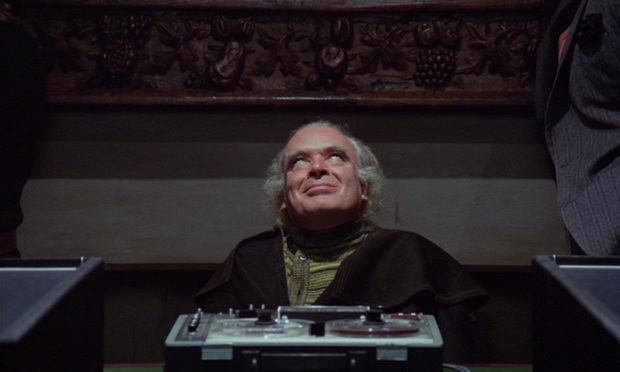

 The general move toward streaming and that intellectual construct they call “The Cloud” is a move toward licensing content rather than selling it. I have somewhere around twenty books on my Kindle, and Amazon has proven they can rescind my access to any of these books at any time. I didn’t buy them, I only rented them, apparently. There is no such muddiness of ownership with a physical book. I have exchanged money for an item, which I can now deal with as I see fit; I can keep it, resell it, give it away, use it to level out an uneven table, or – heaven forbid – burn it.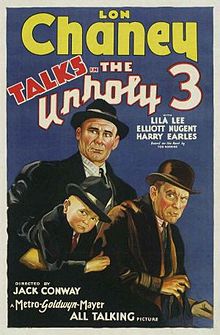
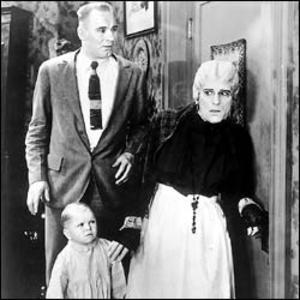


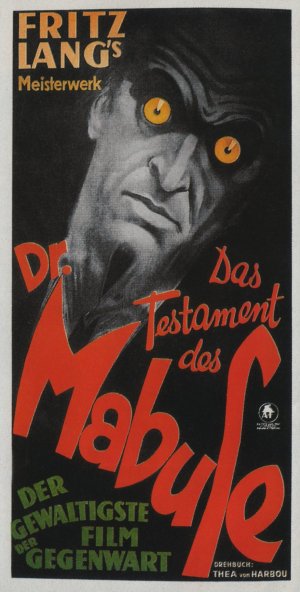
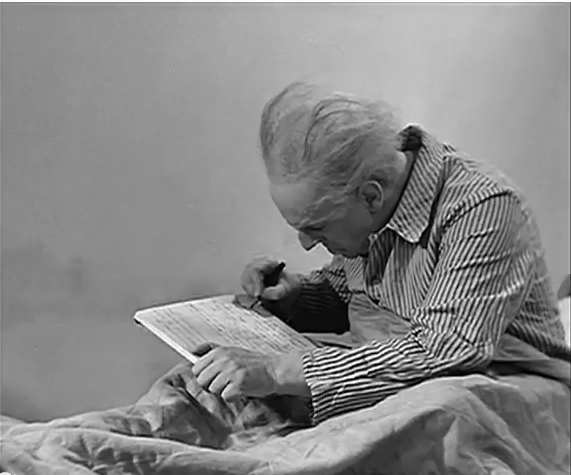
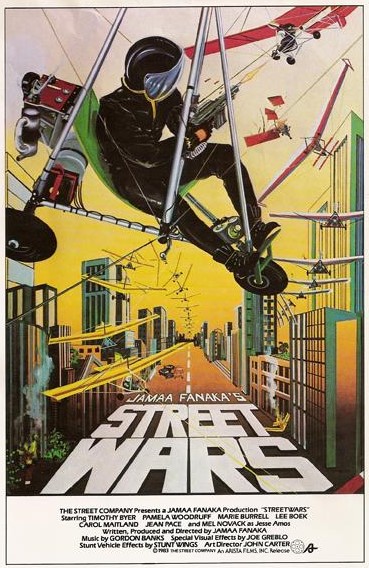
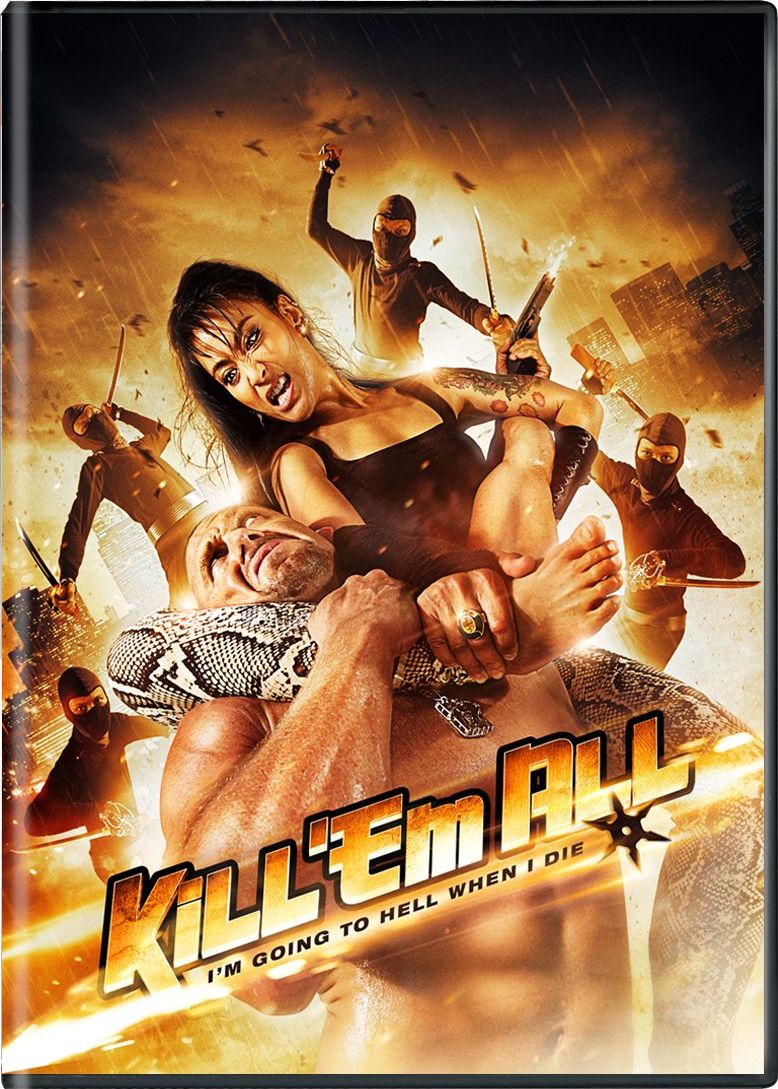

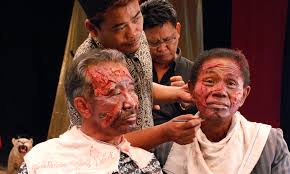


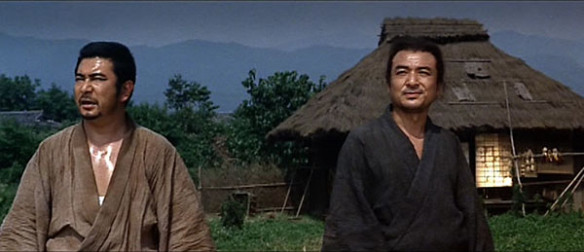

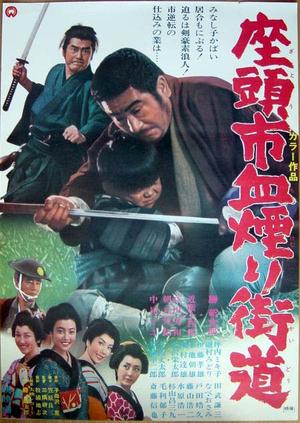


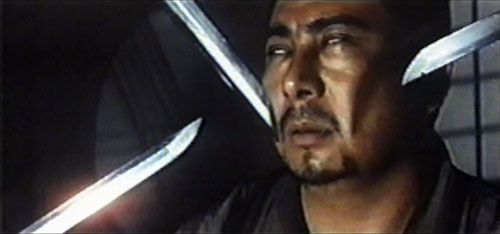


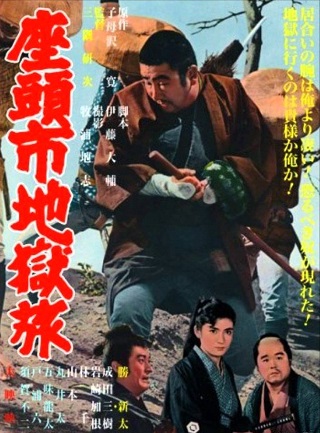

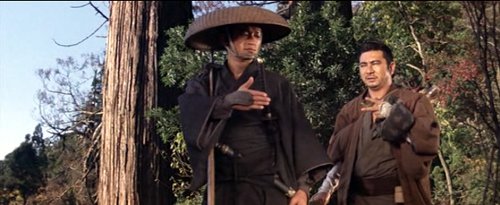


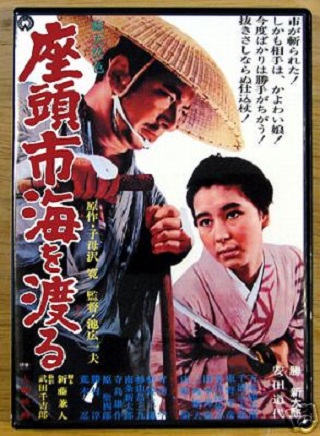
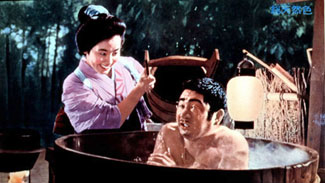
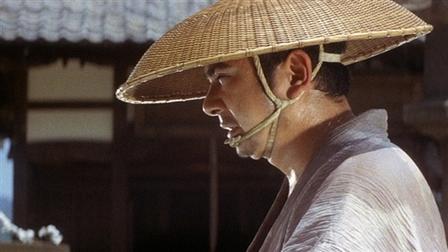
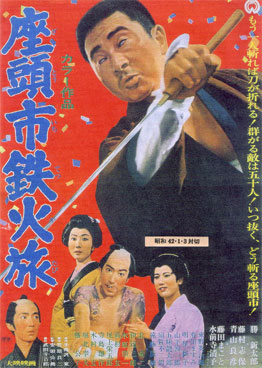
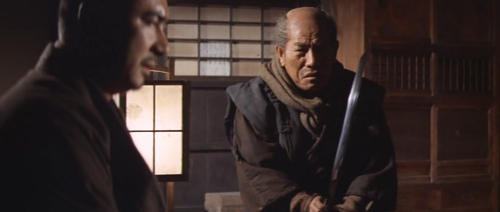


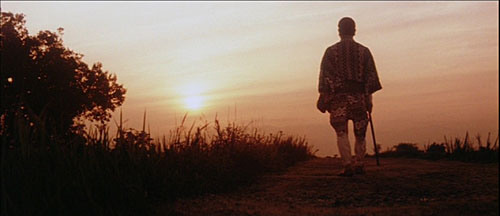


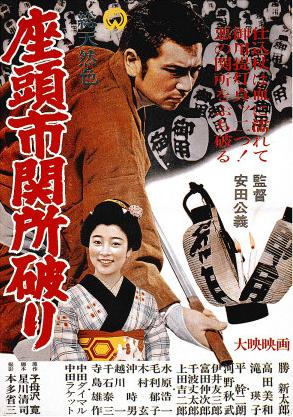
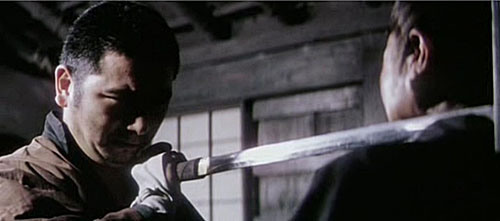
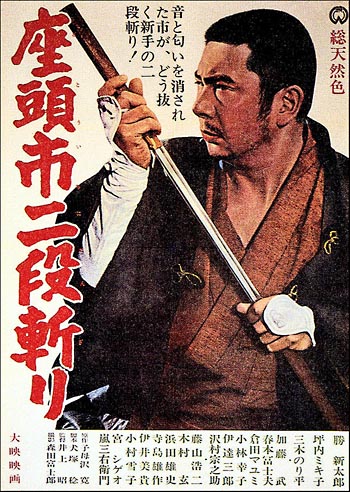
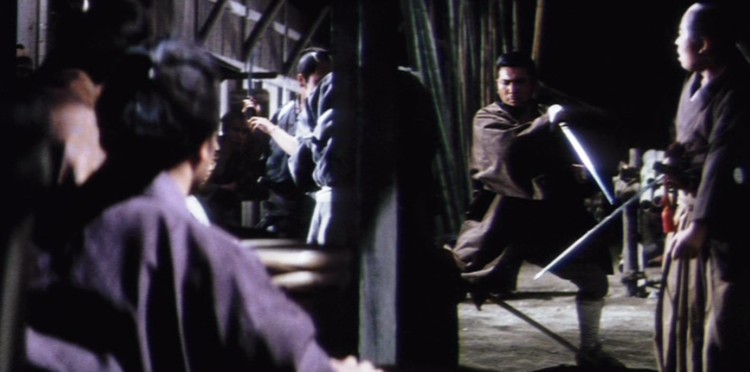


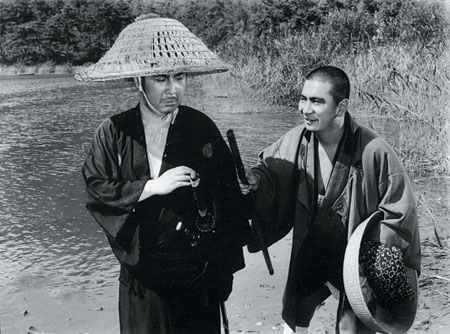

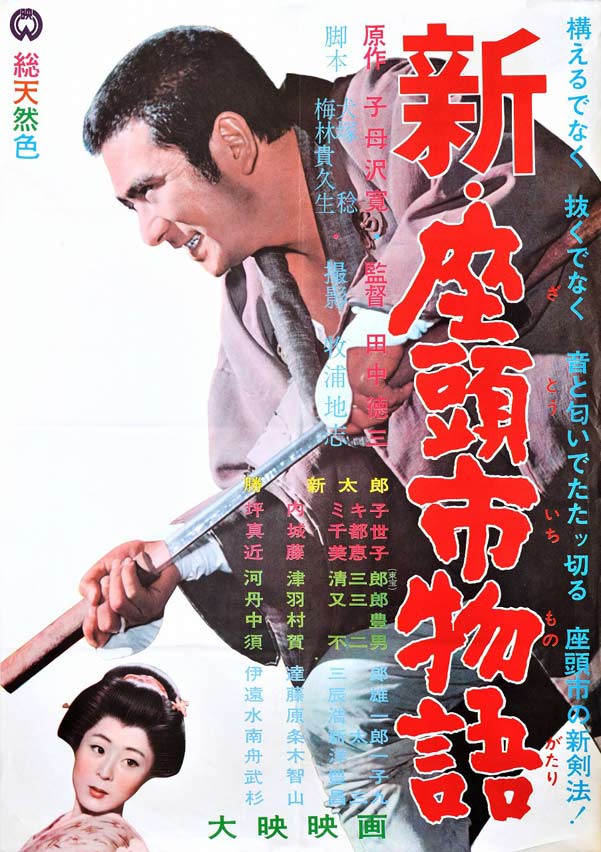
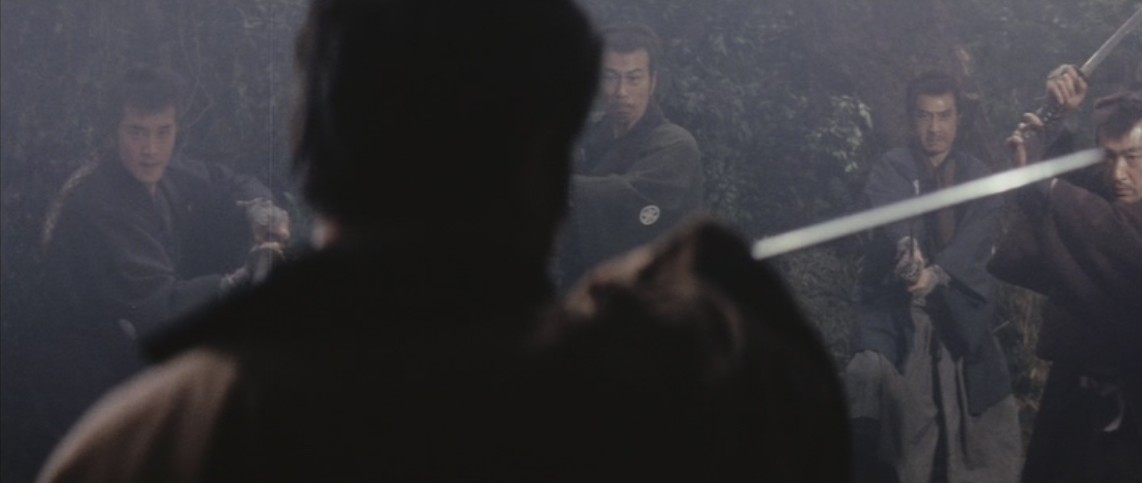
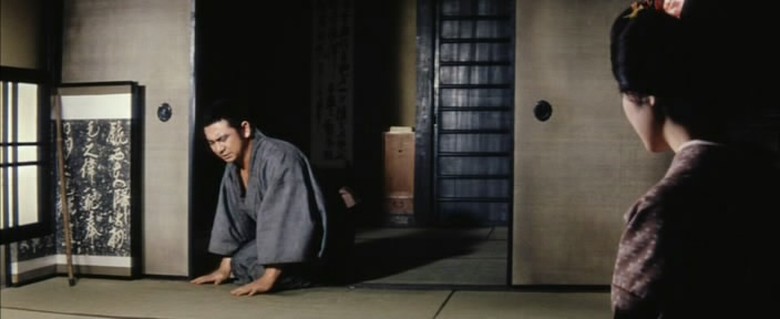

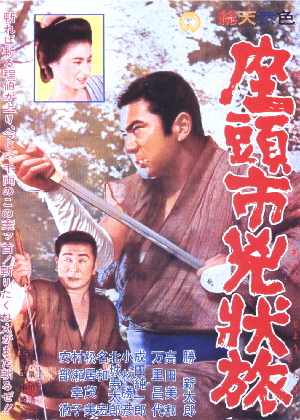
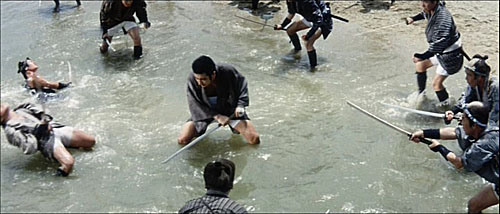


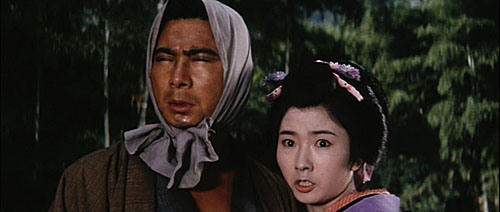

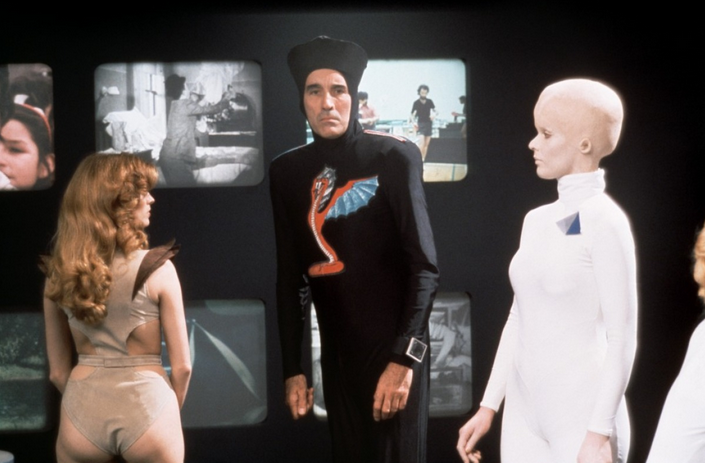
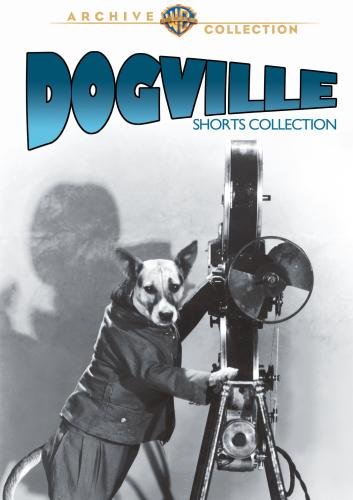
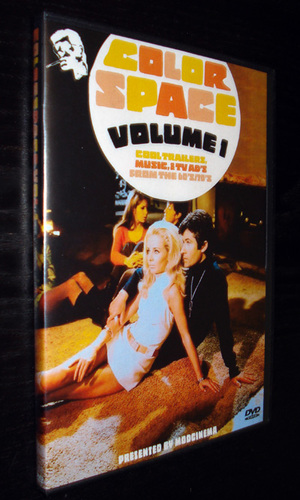
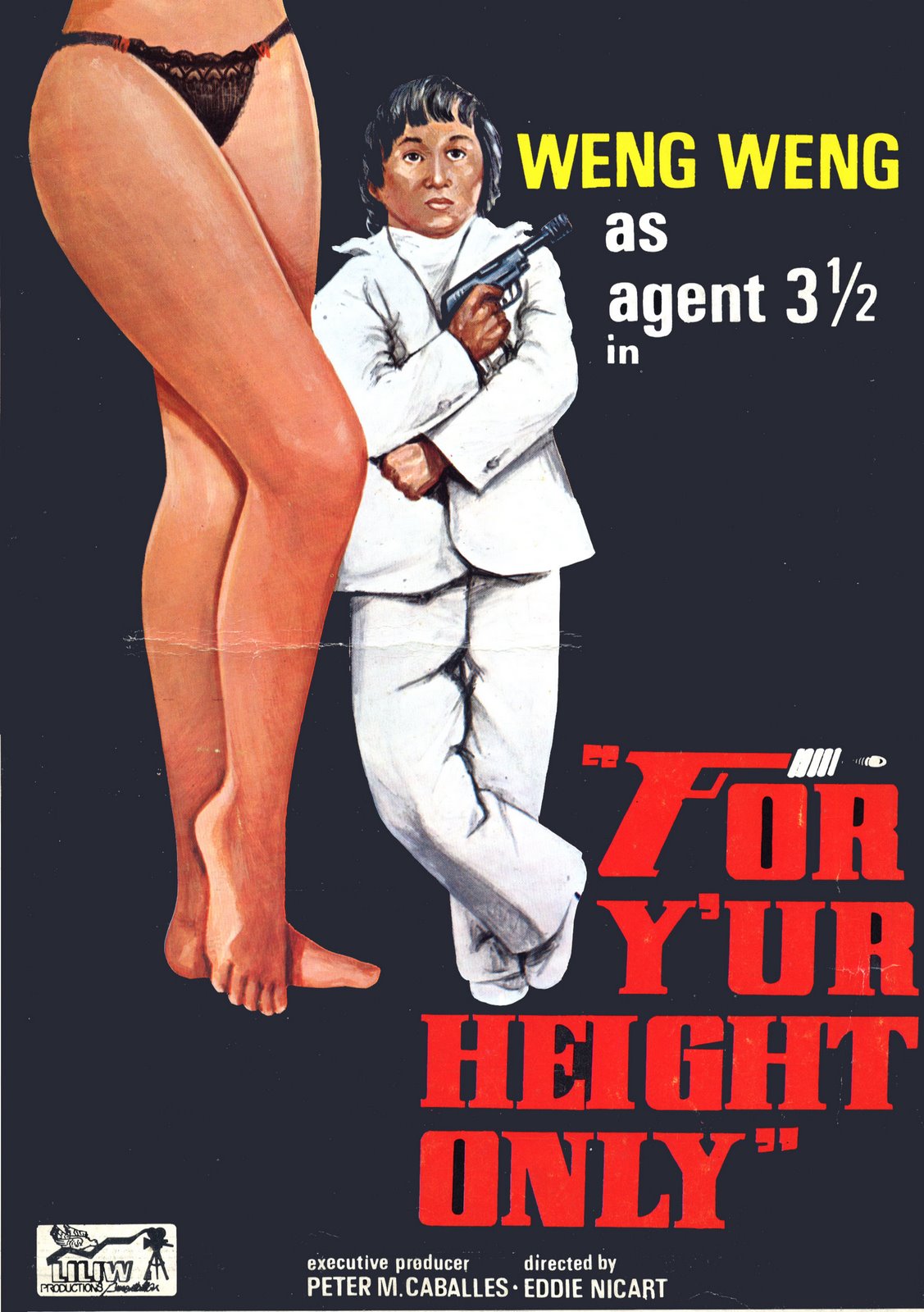

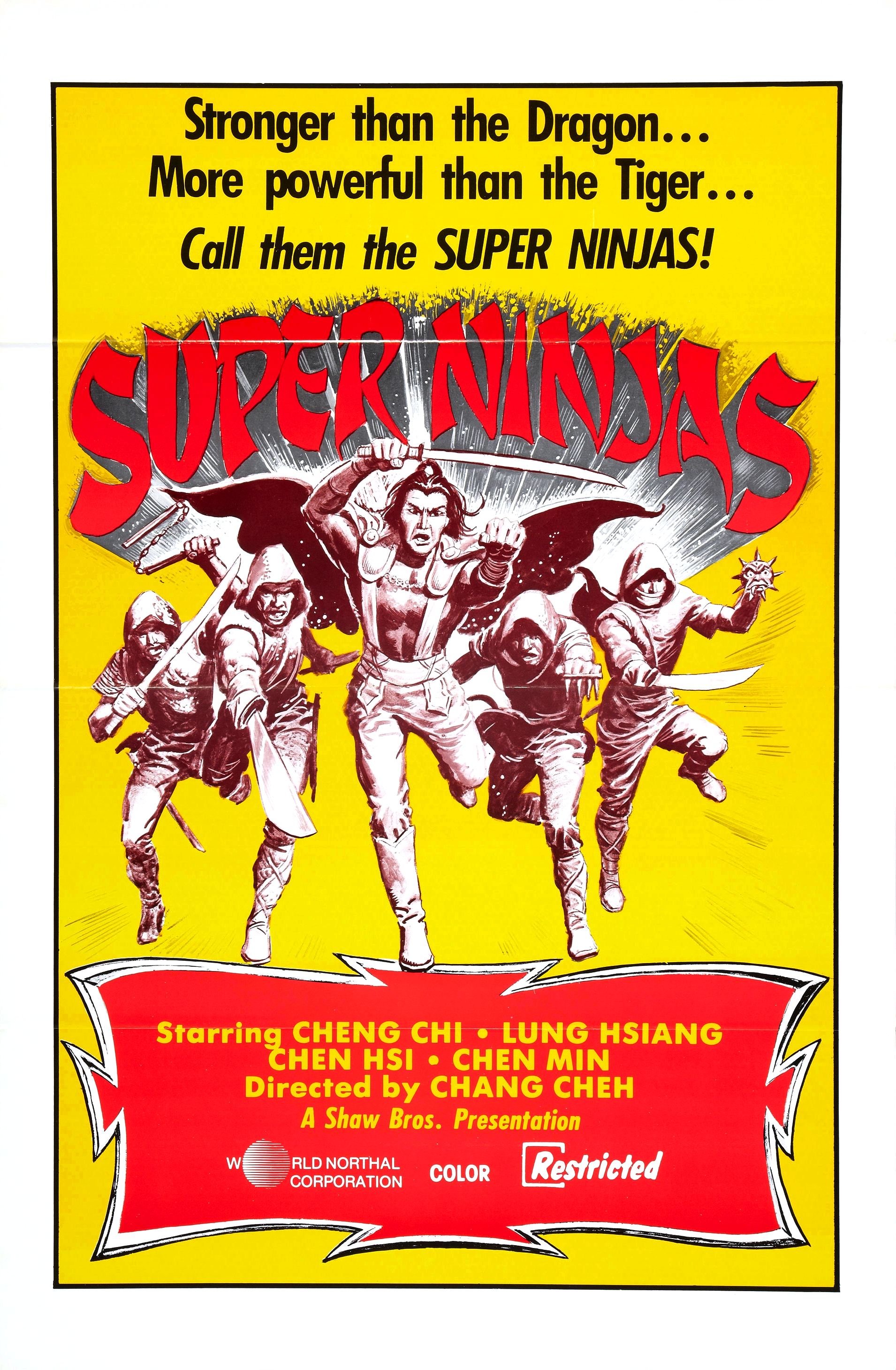
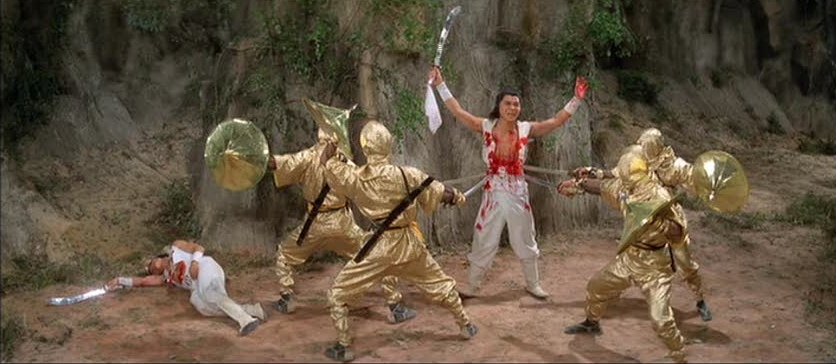

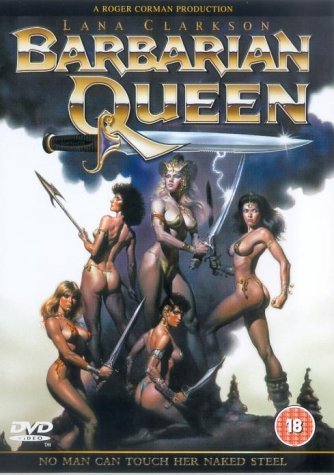
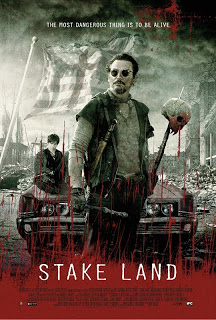


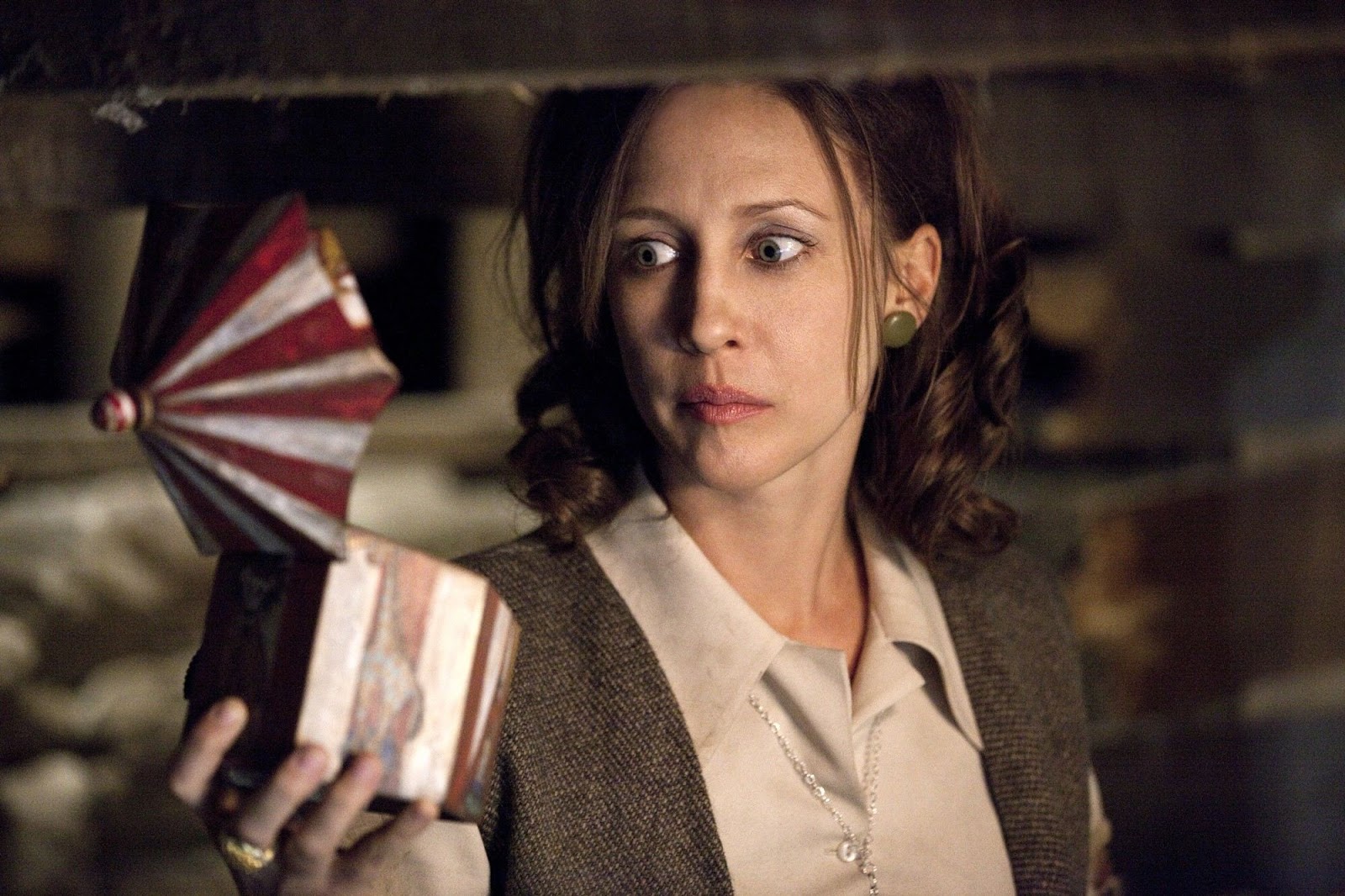

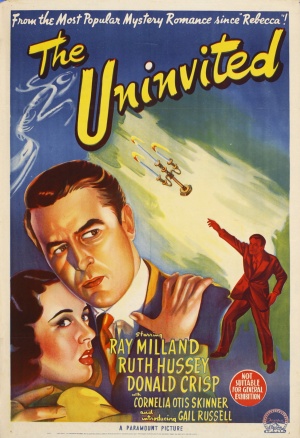


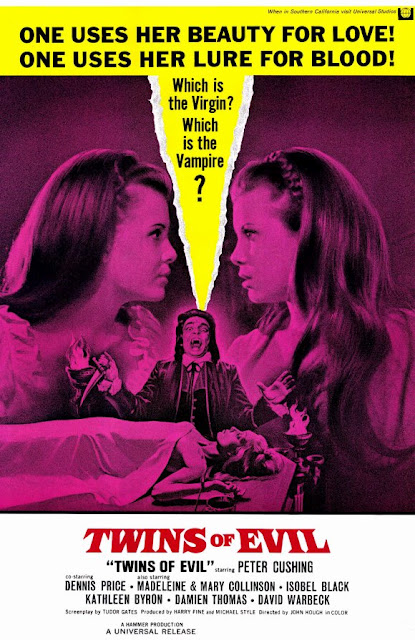

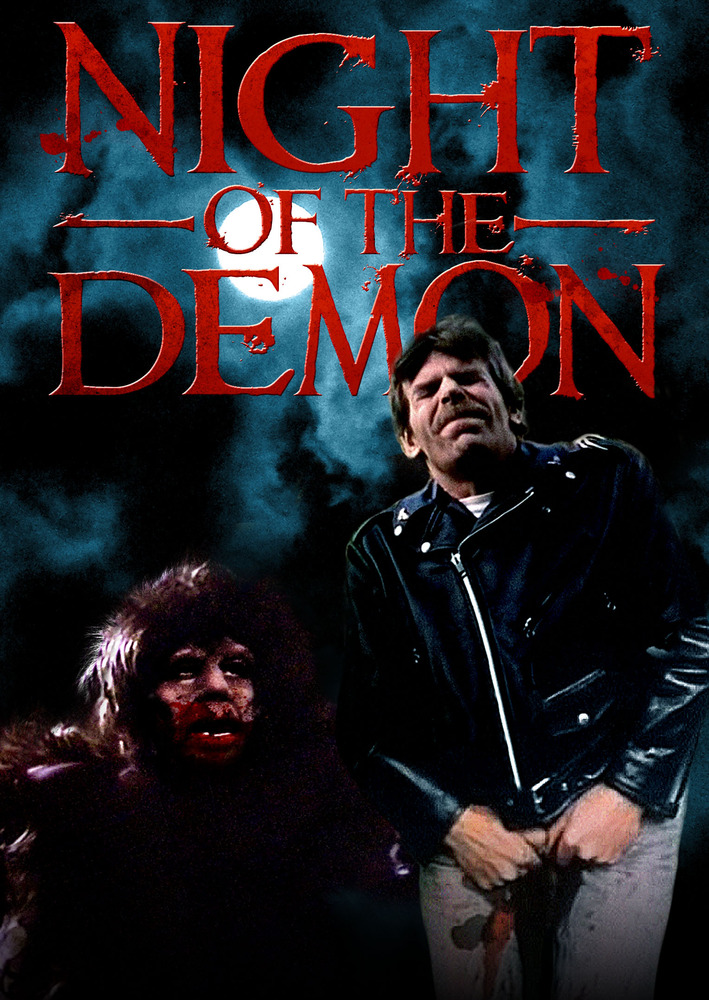





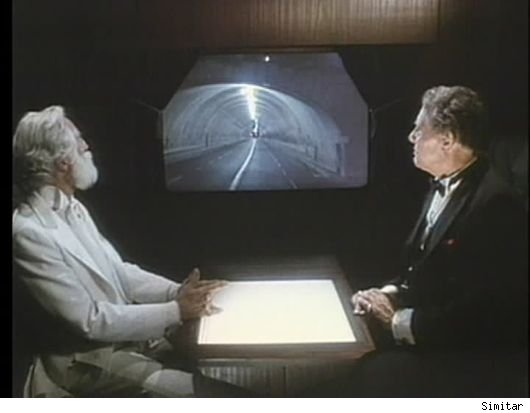


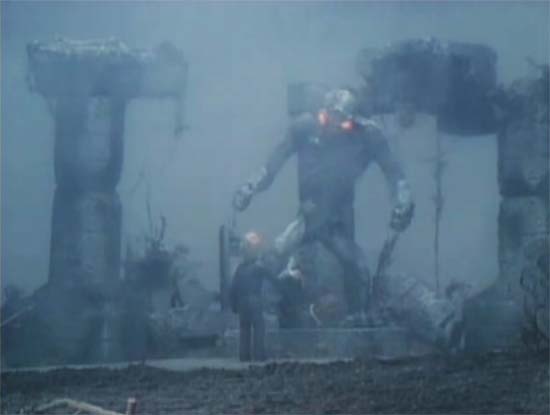


 drfreex.com