It is a hard, and odd thing to admit – but up until this point, I had never seen a complete Chaplin movie.
Bizarre, isn’t it? I’ve seen plenty of clips over the course of my life, but never even a complete two-reeler, much less his feature-length work. It just never happened.
So here I am, watching what is arguably his most popular feature (a lot of people, Chaplin included, would argue for the more sentimental City Lights, but I ain’t there yet), if not his most profitable, a reputation bolstered by a re-release in the 40s, re-edited and with a new narrative track. That was also supposedly Chaplin’s favored version, but rebel that I am, I watched the original, silent version. Come to think of it, I’ve never watched any of Lucas’ bowdlerized versions of the Star Wars movies, either.
The first thing that is going to hit you upside the head is the fact that Chaplin was a serious filmmaker. I mean, that goes without saying, right? But the casual viewer enters the movie without realizing just how serious. After a intercard setting up the historical context of the Alaskan Gold Rush of 1898 – “historical” is a bit much, since we’re talking less than 30 years before – we have a shot of hundreds of people making their way up to a narrow mountain pass. Supposedly populated by boxcars of hobos shipped in from Sacramento, this is the sort of practical shot that you can imagine a young Werner Herzog seeing in a darkened theater and thinking, “Ja, this is what I want to do with my life!”
After this, we’re getting into more typical comedy territory, as Chaplin’s iconic Tramp character – in this iteration, “The Lone Prospector” – waddles along mountain precipices, unknowingly followed by a huge black bear, and eventually stranded in a cabin during a horrific blizzard with fellow prospector Big Jim McKay (Mack Swain) and the villainous Black Larsen (Tom Murray). Chaplin, intrigued by horror stories of the Donner Party, plays their isolation and hunger pangs for maximum comedy, resulting in two classic bits – one, mined for years thereafter by Looney Tunes, where Big Jim hallucinates that Chaplin is an enormous chicken, and the other, where the Tramp boils and eats his shoe. That such an act of desperation is successfully played for laughs is indicative of the heights of Chaplin’s talent.
Eventually, the Tramp hits the boom town and sells his useless prospecting tools. This is where he is going to meet his -and Chaplin’s – eventual lady love, Georgia (Georgia Hale), whose every appearance is presaged by a card with lovely typography announcing “GEORGIA!” Never mind that the lady is a prostitute in the local saloon. Such things were not spelled out, even in pre-code Hollywood, and like John Wayne’s naive Ringo Kid in Stagecoach, the guileless Tramp only sees a beautiful woman, where others see a commodity.
Chaplin – like all the great clowns – believed in comedy leavened with a generous portion of pathos, and the Tramp’s smitten love for Georgia provides all the pathos he needs. The Gold Rush has one of Chaplin’s signature bits, what has come to be known as “The Dance of the Rolls”, when the Tramp, unable to speak how rapturously happy he is to be in the adoring presence of his lady love on New Year’s Eve, instead demonstrates his joy with a spontaneous dance number using two rolls on forks as legs. How serious is Chaplin about his clowning? Look carefully – You’ll see him counting time.
The pathos comes when he realizes this is all a dream – Georgia and her fellow working girls have forgotten the date they casually set with the funny little man and are partying hard at the saloon. And even then, as th Tramp looks in the bar window in an attempt to see his feckless love, there is a sequence where the bar patrons sing “Auld Lang Syne” and the camera picks up close-ups from the crowd, faces we have never seen before, and will never see again, united in that song, and with such a mixture of melancholy, regret and hope that it is incredibly affecting.
Incidentally, the Tramp doesn’t see Georgia because she, her friends, and her brute of a boyfriend have gone to his cabin “To have some fun with the funny little man”. Georgia feels no small pang of sorrow when she discovers the remnants of the party the Tramp worked so hard to put together, but that doesn’t stop her from carrying on with the brute, culminating in a scene where said brute passes a note confessing her rather bewildering love for the douchebag to the Tramp, resulting in a scene that would have been painful beyond bearing had Big Jim not arrived and carried off the Tramp to help find the “mountain of gold” he found and lost during the blizzard.
In point of fact, Chaplin excised the whole passing of the love note sub-plot from the re-issued version, and that is probably a wise thing. Georgia had already rebuked Brutus the scene before, and her confession of love to him really complicates the eventual romantic denouement we know is inevitable.
No, Chaplin has whisked us away for one more classic comedy setup: he and Big Jim wind up once more at Black Larsen’s cabin, the one landmark Big Jim can count on to find his missing claim. A violent windstorm actually moves the cabin during the night, depositing it on a precipice and causing it to see-saw as its occupants wake and move around. It’s probably the first time a set was built on gimbals to tilt so wildly, and the sequence has some pioneering miniature work involving the cabin and even a tiny, articulated Chaplin. Again, it’s a set-up that is going to be utilized over and over again in the coming years.
As luck would have it, the cabin’s precarious position is just outside Big Jim’s strike, so at the end of the movie we have the delight of seeing the Tramp in rich man clothes (though old habits die hard, and he still scrambles to pick up a discarded cigar butt). While he and the equally opulent Big Jim are interviewed and photographed on the deck of a cruise ship, we find out that GEORGIA! is also a passenger, setting up their final meet and romantic clench, which in the context of the ’25 version, feels rote and unearned. The older, wiser Chaplin set it up better in the later re-issue. Still, there are few better things than to follow a sympathetic character in a rags-to-riches story and see him get the girl, unless it would be to also see the brute boyfriend get eaten by a bear.
I watch The Gold Rush not entirely tabula rasa; there was a series on PBS in the 80s called The Unknown Chaplin, which I avidly devoured. In it was shown a treasure trove of Chaplin’s outtakes, which served as a marvelous examination of how the man worked. He used the studio as a sketchpad, basically, working scenes over and over with variations to see which played best, which produced the best laughs. It’s estimated that his first feature, The Kid, had a shot-to-print ratio of somewhere around 55:1. It’s a small wonder then, that The Gold Rush was one of the most expensive silent features ever made – but then again, as one of the most profitable, it proved a risk well worth taking. After this would come The Circus, and then the coming of sound, with which Chaplin would have something of a problematic relationship.
A lot of us know about Shane Carruth through his first feature, Primer. If you’re any kind of a science fiction fan, you’ve probably seen it. If not, well… it’s currently not on Netflix Instant, which is where I first encountered it, but it’s definitely worth seeking out, a time travel story that’s brainy, dense, and remarkably free of the usual claptrap that surrounds such stories. Also, like the best Nolan movies, you need to pay attention every minute, and your gray matter is going to get a workout.
Now take that and square it, and you may be ready to approach Upstream Color.
Any attempt at a synopsis is going to get nightmarishly complex. Check out any of those on various streaming media, and you will find yourself wondering, “What movie did they watch?” I’m no better, but here goes:
A guy called only Thief (Thiago Martins) has found a worm that lives in certain exotic orchids; if a person ingests it, the parasite makes them instantly docile and extremely susceptible to brainwashing techniques, which he uses to steal every cent they have and cover his tracks… in case they survive the harrowing aftermath. At the beginning of the movie, he does this to Kris (Amy Seimetz), leaving her dazedly trying to cut out the worms scurrying under her skin with a butcher knife. Another mystery man called The Sampler (Andrew Sensenig) attracts her to a remote location with electronic music that is also coaxing normal earthworms out of the ground. He uses a crude but effective method to get the parasites out of Kris and into an anesthetized pig. The next day, Kris awakes as if from a nightmare, and attempts to try to put her completely destroyed life back together.
Eventually Jeff (our auteur, Shane Carruth) becomes attracted to her, and a relationship forms. Jeff, it turns out, has a similar black hole in his life, in which he abused his position as a broker to embezzle a lot of funds. They start finding out they have a lot of things in common, and a lot of things they shouldn’t have in common, because their identities are still fractured and bleeding into each other. The Sampler is not as beneficent as he seems; he has a whole herd of pigs, all carrying parasites from other victims, and he uses the connections these parasites still have with their former hosts to sample their lives.
That is about as bare bones yet cohesive as I can get. Like Primer, there is a hell of a lot of grist for the conversation mill here. Where it’s going to differ from Primer, though, is that much of that is so much more abstruse than its predecessor. The motivations of The Sampler are still beyond my comprehension, and that may in fact be the point: our lives are frequently shaped by unknowable forces, by people who we will never meet but nonetheless have power over us. I found it hypnotic and engrossing; others are just going to be pissed off.
One of my major frustrations with fiction is a perverse one – I love having a mystery to ponder, so much so that I feel let down when that mystery is solved (probably the main reason I liked Lost so much, even though most people use it as a swear word these days). I’m still chewing on Upstream Color days later. I like that. Some people won’t. I’m okay with that. (This being the Internet, I also find that this tolerance is not reciprocated, and I expect I will soon be told why I am an idiot. Whatever.)
Another one I had seen twenty years or so ago (on laserdisc, no less).
Carl Theodor Dreyer was looking for a more commercial property after his Passion of Joan of Arc was a critical and box office failure. (It is now, of course, widely regarded as a masterpiece) So hey, why not a horror movie? Remembering the problems Murnau went through with Nosferatu and a litigious Florence Stoker, he derived his inspiration from a collection of stories by Sheridan Le Fanu, In A Glass Darkly, which had recently gone into the public domain – so odd to consider that at the time, these things happened automatically 50 years after a creator’s death.
Supposedly Vampyr is based on the famous story “Carmilla”, which Hammer Films would go on to milk some forty years later. I say supposedly because the only thing the two have in common is a female vampire – and after gender, we draw the line.
A young traveler, Alan Gray (Julian West) stops at a remote inn; he is visited by a man who tells him, “She must not die,” and leaves him with a small package that is labeled “To be opened in the event of my death”. Gray investigates, and soon finds himself embroiled in the woes of a family being afflicted by the title creature, aided by the village doctor. The man who visited him (the father of the victim) is assassinated by one of the vampire’s henchmen, so the package is opened: it contains a book about vampires, which turns out to be damned handy, as it even name checks the woman who is causing all the trouble.
There is a delirious, dream-like quality about Vampyr, even before its most famous sequence, when Gray, pursuing the doctor into the night, passes out because he’s still weak from a blood transfusion given to the dying victim. He has an out-of-body experience in which his body is sealed into a coffin with a window over his wide-open eyes, and taken to a churchyard to be buried.
Besides the constant barrage of dream imagery and labyrinthine buildings for our protagonist to wander through, Dreyer’s camera is often in motion for very modern, swift dolly moves, at times feeling like a chiaroscuro Shining without benefit of a Steadicam. Most of the movie is silent, with the very few pieces of dialogue recorded by a still-experimental method; the silent parts show all the power and expertise of Dreyer’s mastery of that form.
The vampire storyline itself is pretty standard stuff these days, after almost a century of such tales. What sets Vampyr apart is that marvelous visual palette, and the embellishments wrought by Dreyer: shadows detached from the bodies that cast them, a vampire that is so obviously an old woman, certainly not the Ingrid Pitt Carmilla.
The major fun I have in considering the movie is that “Julian West” – actually the film’s financier, the Baron Nicolas de Gunzberg – looks a little like H.P. Lovecraft, and the villainous Doctor (Jan Hieronimko, a Polish journalist – Dreyer liked using non-actors) has a passing resemblance to Albert Einstein. I like to think of the two of them as pals, filming a movie with borrowed equipment on the weekends, Lovecraft playing hookey from his writing and Einstein from his chalkboards. That, though, is a silly thing, and shouldn’t take away from my admiration for Dreyer’s final product.
Yeah, somehow I’d managed to live my life without seeing this one either.
In a Haiti with a curiously small black population, Neil Parker (John Harron) has brought in his lady love Pamela (Madge Bellamy) to get married. On the boat over, Pamela encountered rich scalawag Charles Beaumont (Robert Frazer), who wants Pamela for his own. Under the guise of letting the two marry in his mansion, Beaumont sets to work trying to steal her from her man. When this doesn’t work, he enlists the help of local witch doctor Murder Legendre (Bela Lugosi).
Using a drug Legendre gave him, Beaumont poisons Pamela on her wedding day. She apparently dies, is laid to rest in a tomb, and is later exhumed by Legendre and his hit squad of zombies, all former enemies he has now enslaved. Beaumont is troubled by the fact that the woman he wanted is now a blanked slate, a zombie herself, which leads Legendre to poison him, too, Meanwhile, Neal rouses himself from his multi-day drunk to take on Legendre with the aid of a sympathetic missionary (Joseph Cawthorn).
White Zombie has some memorable images – the one you see quoted in documentaries whenever the movie is mentioned is Legendre’s zombies toiling away in his sugar mill, with one zombie slipping and falling into the cane mill’s blades, without the other zombies noticing or caring. But really, the movie belongs to Lugosi, at the height of his powers, before he became a cliche over-used by hack directors. He has several moments of cold-blooded villainy that will simply take your breath away.
The movie gets points from me for employing “the zombie drug” alluded to in Serpent and the Rainbow, offering up a somewhat rational explanation for the goings-on, even if that goes out the window with Legendre’s psychic power over his zombie slaves, embodied in the “zombie grip” of his two hands clasped together. White Zombie has another thing in common with Vampyr, too, in that the older character – the missionary here, the manservant in Vampyr – does all the heroic stuff. Take that, you young hooligans.
Is it my imagination or is that Criswell doing the narration on this trailer?
X: Xtro (1983)
Well, here’s a movie starting with X I hadn’t seen yet.
Sam Phillips (Phillip Sayer) is abducted by a UFO in full sight of his young son, Tony (Simon Nash). Three years later, Sam returns, but in a spectacularly gross and gruesome way that results in the death of three people. He shows back up at his old apartment, claiming amnesia. His wife (Bernice Stegers) is understandably confused but sympathetic, her new boyfriend (Joe Daniels) is pretty pissed off, and the au pair girl (Maryam D’Abo, debuting here) just wants to screw her boyfriend. Tony is ecstatic to have his dad back, especially once Dad infects him with some alien DNA and he starts getting psychic powers.
As if his bloody, mutating return didn’t make it obvious, Sam is no longer human. His main mission seems to be retrieving his son, but there is a much darker purpose to his visit, and it involves eggs laid in Maryam D’abo. By the kid.
Xtro is beloved by a lot of people, because it is pretty weird in all the right ways and gooey in others. The initial return, a costume utilizing a man spidering around with a face glued to the back of his head, is suitably freaky; but just as effective are more subtle scenes, such as Sam turning on a gas heater but not lighting it, contentedly breathing in the toxic fumes.
Where the movie starts losing me is when it falls into the 80s trope of becoming a body count movie, with Tony using his newfound psychic powers to get rid of busybodies and interlopers. The alien has a dozen different ways to kill people (and uses them all, just to keep the proceedings fresh) and the kid can apparently create matter at will, using the power of his mind. Why all the subterfuge? If these aliens are so immensely powerful, why do these things in secret?
There are at least two sequels, but unless I’m desperate again for an X movie, there nothing here to interest me.
Y: Young Mr. Lincoln (1939)
Yeah, there’s a change that’ll give you whiplash.
This is a rah-rah end-of-the-Depression years John Ford movie with all the fixin’s, produced under the steely eye of Darryl F. Zanuck, and starring Henry Fonda (with a fake nose and trick boots to make him taller) as the Great Man. And God, is it ever good.
This takes Abe from his early days running a general store (when a family who can’t pay for any provisions off-handedly mention they do have a lot of worthless old books in the back of their wagon, oh how his eyes light up); it skips over his time in the legislature and gets right to his days as a “jackleg lawyer”, operating only off the knowledge he’s gleaned from those “worthless old books”. He’s not doing bang-up business, either, until a murder at Springfield’s annual picnic gains him a client and a mission to save two young men from the gallows, not to mention a lynch mob.
This is period-piece myth-making, a form at which Ford truly excelled. Though the case is based on an actual one, Lincoln was not the attorney, and he probably never pulled a 19th Century Perry Mason act either, dramatically revealing the true murderer at the last moment. But dammit, he should have, and I don’t mind being told he did. It’s an early example of the central tenet of The Man Who Shot Liberty Valance” “When the legend becomes fact, print the legend.” It’s not a documentary, nor was it ever claimed to be; but in this era of gritty reboots and revisionism, I don’t mind being told a figure I’ve admired across the ages actually might have been an okay fellow.
Yep, I saved one for this. Also known as Zatoichi: Darkness Is His Ally, this is Shintaro Katsu’s swan song to the character, and it fell outside the scope of the Criterion Box Set I ran through a few months ago.
I’d like to give you a nice plot summary here, but there actually isn’t one. There’s the usual essential elements of a Zatoichi movie: a young and ruthless yakuza assassinating his way to the top, a thoroughly corrupt official, and… eventually… an attractive young lady for the official to attempt to force himself upon. Of course, a ronin who is impressed by Ichi, and is tasked with taking Ichi down. Groups of guys show up occasionally to kill him. We’re never really sure who’s sending them. Maybe it’s a subscription service or something.
Ichi meanders from one of these elements to another, once more trotting out his scam at a crooked gambling house where he makes the less scrupulous gangsters bet on dice that have fallen outside the cup, only to show that the real dice they should be betting on were inside the cup all the time. As usual, this results in a bunch of bilked baddies trying to kill him, but a high-ranking female yakuza chief intercedes. Later, she’ll have a dalliance with the aged Ichi in a bath, and we find out that “bring our efforts to fruition” is period slang for “simultaneous orgasm”.
Well, it’s an Ichi movie, so we know he’s eventually going to kill the corrupt official to rescue the innocent girl, then go up the street to kill all the local yakuza, who have been obligingly cutting their numbers in half with a turf war of their own, anyway. The thing is, Ichi’s dealings with these gangsters has been minimal, so that really is how it seems: he’s in the neighborhood, sword-cane’s out, might as well slaughter a hundred guys.
It’s an unfortunate, more-of-the-same end note for the character, or at least Katsu’s version, which was also the only version for nearly thirty years. One really hopes for more, but one also has to realize that not every cultural icon gets to make a Shootist or an Unforgiven. More’s the pity.
I always like to slip in a silent movie or two in these exercises, so why not an acclaimed one? Charlie Chaplin claimed it was the best movie ever made, and Ingmar Bergman was a huge fan. Based on a popular novel of the time by Selma Langerlöf, the basis of the story is a legend that whoever dies last on New Year’s Eve must drive Death’s carriage for the next year, picking up recently deceased souls and delivering them… well, that’s left unsaid, but for this unfortunate Designated Driver, “each day is like a hundred years.”
This story is told to professional wastrel David Holm (played by director Victor Shölström), who nonetheless is spending New Years Eve drinking with his pals, leaving his destitute wife and two children in their hovel, and worst of all, ignoring entreaties to come to the death bed of Sister Edit, a Salvation Army worker who, for some reason, loves Holm (even though he unwittingly gave her the tuberculosis which is killing her). It’s this last bit of heartlessness that gets him into a fight with his two drunken pals, one of whom crashes a jug over his head, and leaves him for dead, as the titular carriage drives up and comes to gather his soul.
To no one’s surprise, the driver is the older reprobate who first told David about the Phantom Carriage, and who blames himself for the younger man’s life going so disastrously off the rails. David is to be the new driver, he is told, but first he has to relive every twist and turn of his wasted existence, a life spent mainly visiting misery on whoever dared try to love and improve him.
The story relies on a lot of heavy melodrama, but it is remarkably compelling and well-presented melodrama; Shölström manages to make Holm a man worth redeeming, even though he spends most of the picture being an unrepentant dickweed. His final realization that he has been one of the most worthless, hateful men alive is truly heartbreaking, and if the denouement seems a little too sugary, a bit too Spielberg – well, as with Spielberg, the emotion is there, too, and only the most cynical or bored viewer will not find themselves transported along.
Best movie ever made? I may disagree, but damn, is it a good one.
The letter Q is always a tough one. I’ve seen most of the obvious ones (Q the Winged Serpent, The Quick and the Dead) but you know what! Here’s one I haven’t seen!
1981 was seemingly the year of the cinematic caveman, though this was the only serious offering (the others being Ringo Starr’s Caveman and the first portion of History of the World, Part One). I recall everybody talking about it. It just wasn’t my thing, as it were.
In case you’re like me: This takes place 80,000 years ago, on the cusp between Neanderthal and Cro-Magnon man, when fire was a valuable, essential commodity, and tribes kept firepits going constantly, to keep the valuable element at hand. One tribe loses their home cave – and their fire – in a turf war, and three of the tribesmen (Everett McGill, Ron Perlman, and Nicolas Kadi) strike out to find some more. They eventually steal some from a tribe of nomad cannibals, and in doing so, pick up Ika (Rae Dawn Chong), a member of a much more advanced tribe who was being kept in the larder. Ika develops a sweet spot for McGill’s Naoh, who does seem to have a bit more on the ball than his fellows. When Ika runs off to her village, Naoh follows, to be perplexed and amazed as he is initiated into their ways… for one thing, they know how to make fire, at will.
A hell of a lot of effort went into this movie – three years of pre-production and funding, one year of shooting – and I really feel like a heel for not liking it more. The different tribes are cleverly designed, the makeup is superb (Oscar-winning, in fact), and there are a lot of nice little touches, my favorite being the fact that Ika knows how to laugh whereas her more brutal traveling companions do not (they do learn, however). But no, not even naked Rae Dawn Chong could get me totally into its camp. I do, however, like that this is Ron Perlman’s first movie, and even as a caveman, all his Ron Perlman-isms are fully formed and intact.
The different caveman languages were created by no less than Anthony Burgess. It seems that on my DVD there is an option for turning on subtitles, but come on. That would be cheating. Even if I do wonder what the hell Ika is chattering about practically the whole movie.
It seems you can’t be a film buff without seeing The Rules of the Game. It somehow became a touchstone, the item with which all film educations begin, or something. Imagine my surprise, when I finally saw it, that it is basically a sex farce.
Most of Rules of the Game takes place during a getaway at a chateau, with the rich gunning down a lot of innocent animals as the proles beat the bushes and finishing up with a grand masquerade and talent show. Every man on the rich side of the line seems to love an Austrian woman, Christine (Nora Gregor) married to the host, the Marquis de la Cheyniest (Marcel Dalio). This includes a freshly-minted hero aviator, his friend Octave (director Jean Renoir himself) – who is also the childhood friend of Christine (and who loves her). The Marquis, realizing how much he loves his wife, attempts to disentangle himself from his mistress. Christine, finding out about this long-standing affair, decides to have an affair of her own. All this is mirrored on the domestic side by a roguish new manservant (and former poacher) flirting with Christine’s saucy maid, who is married to the estate’s gameskeeper. It all comes to a climax during the masquerade ball, with blows being exchanged and gun-wielding husbands chasing lovers through the bemused bourgeoisie.
I’m not quite sure if Renoir is attempting a scathing satire of the idle rich in Pre-World War II France, as the form of the sex farce necessitates a certain level of caricature in all the roles. There is drollery aplenty, to be sure, and I certainly enjoyed it; I’m just unsure as to why its position is so elevated.
To be sure, it came that close to being a Lost Movie. A terrible flop at the box office, Renoir kept trimming it down. It was banned in France a month after its release (bad for morale, it seems) and then the Nazis invaded, and they hated it even more, burning all the prints that could be found. Then Allied bombers destroyed the original negatives. Renoir fans managed to find enough pieces of the film to reconstruct it in the 1950s, and Renoir confirms that at present, only one scene is missing, a minor one of his character gossiping. Perhaps the fact that it was unavailable and presumed lost added to its prestige.
Don’t get me wrong. I did enjoy it, and would recommend it. I’m just not sure precisely why this is considered one of the greatest movies ever made.
I knew I was going to have to deal with this movie eventually.
Last year, I watched Pier Paolo Pasolini’s Trilogy of Life: The Decameron, The Canterbury Tales, and Arabian Nights. I loved them. Pasolini yearned for a time before commercialism, before even love and sex were made mere commodities. Though frequently shocking in their content, they were also just as frequently sweet, sentimental, and honestly earthy. In one of those perverse twists of fortune, they inspired a spate of soft-and-not-so-softcore porn movies dressed up as classic literature; Pasolini’s non-commercialism made commercial.
So it’s small wonder, really, that he then made one of the most angry, confrontational movies of all time.
I really have no truck with movies that only serve as a catalog of atrocities. Likely, the closest I’ve come is Ilsa, Harem Keeper of the Oil Sheikhs, which was enough to convince me that I didn’t need to see any of the others. A Serbian Film, Philosophy of a Knife, any number of low-budget horror movies that revel in sickness, the Guinea Pig movies… hell I’m not even interested in any of the Human Centipede flicks, and I have people swearing by them.
And yet, here I am watching Salo.
The story is taken from the Marquis deSade’s infamous tract of the subtitle’s name, transported to the final days of the fascist regime in Italy (Salo is a town where the fascists had their last stronghold. Pasolini’s own brother was killed there). Four men, representing the power elite, the “Men Who Got Us Into This Mess”: The Duke, The Judge, The Bishop and The President, abduct nine teenage boys and nine teenage girls, and hole up in a villa, determined that there will be no limits to what they can do in their final days. One boy is shot trying to escape; one girl commits suicide the first day. They will be the lucky ones.
Much is made of the rampant nudity, and the frequent sex acts, but those are never seen in any explicit detail. Every agency that has condemned Salo as pornography is missing the point entirely; this movie is not about sex, it is about power, and the horrific misuse of it (“Fascists are the only real anarchists,” The Duke says. “Our power allows us the freedom to do anything.”). Anyone who feels Salo is a turn-on, well… don’t turn your back on them.
Facts never stopped anyone, though. I recall back in the 80s, the local repertory art house, The River Oaks Theater, showed it and was shut down for showing pornography, the management arrested. Yes, a good old-fashioned raid, cheese it the cops, everything. Oh, Texas, I love you, but you will probably never stop embarrassing me.
Pasolini drops some surprises in as we navigate the circles of the movie, inspired by Dante; odd moments of levity, fleeting, very fleeting, moments of beauty… and a whole bunch of horror, unredeemed by any justice or retribution. There is also this: I attempted to read deSade’s book back in college, and there is one thing Pasolini gets absolutely right: after a while deSade just becomes cartoonish and tedious. Supposedly it was a pretty jocular shoot, with the numerous teens having a grand time in their first movie, playing pranks on each other. It wasn’t until the finished movie came out of the editing room that they realized how grim was Salo, how bleak and grueling.
I have now seen enough shit-eating to last me two lifetimes. I can’t recommend it. You’ll know if you’re ready for it or not.
(Also intriguingly: although nobody ever uses the Amazon links I’ve been putting up – still, I’m determined to keep up the experiment – the Associates site will not let me make a link to the Criterion Collection blu-ray disc I viewed. Hm.)
T: Thor – The Dark World
Until I get my Volstagg movie, this will have to do.
I knew I was going to need something fairly uncomplicated and hopefully ridiculously fun after Salo, and thankfully, for the sake of my mental well-being, The Dark World delivered.
I wasn’t wild about the first Thor – for a movie that took place in three different universes, it still somehow felt very small. Dark World is determined to be epic as hell – starting in pre-Odin Asgardian history, as Odin’s dad fights Malekith (Christopher Eccleston) and his Dark Elves, who are trying to snuff out all light in all worlds. Malekith loses, and goes into hiding until his Ultimate Weapon can be recovered. Which it is, by Thor’s mortal girlfriend, Jane Foster. Of course.
All our old faves are back, and Tom Hiddleston’s Loki gets more and better screen time; the doomed bond between Thor and Loki is given its best treatment yet, and Jane Foster is elevated above mere damsel in distress status. I still want more Volstagg, but I am always going to want more Volstagg. The thing that both of the Thor movies have excelled at is presenting super science that is indistinguishable from magic – probably to sidestep the thorny concept that the Asgardians are actual gods, and prevent picket lines from sullying a Disney product.
Best of all, Dark World wraps its plot up quite nicely and still has me wanting to see what happens next.
The second of two Zatoichi Team-up movies (the first being Zatoichi Meets Yojimbo). The One-Armed Swordsman movies were apparently very popular in Japan. In them, Chinese superstar Jimmy Wang Yu (well, superstar until Bruce Lee arrived on the scene) plays a man who loses his arm through treachery, but masters a form of swordplay using a shortened sword to eventually rescue the spiteful woman who maimed him. There are only two of these flicks featuring Wang Yu; by the time this entry in the Zatoichi series was made, he had split from Shaw Brothers and was replaced in The New One-Armed Swordsman by David Chiang. (There’s at least one more attempt in a 1976 Taiwanese movie, One Armed Swordsman vs Nine Killers, but it’s not really the same guy).
We can’t even really be sure this is the same One-Armed Swordsman, anyway, except for the fact that it’s Wang Yu, he still dresses in black and has the same broken sword… here his name is Wang Kong, and there are no references to the rich backstory of the Chang Cheh-directed movies. Wang Kong has been invited to live in a Japanese temple by an old friend who is a monk there; speaking no Japanese, Wang is glad to fall in with a traveling family of Chinese entertainers who enjoy living in their adopted country.
This group encounters a parade of samurai delivering abalone to the Shogun – the father tells Wang that everybody must clear the road, under pain of death. They do so, but their young boy runs into the road after a kite, and the samurai move to kill him. Mother and father intercede, are cut down, and Wang, naturally enough, cuts a bunch of them down with his shortsword before escaping into the woods. The boy also gets away as the samurai, to cover up that so many of them were killed by one man with a busted sword, slaughters everyone else on the road, blaming their deaths on a berserk Chinaman.
With Zatoichi’s usual luck, he finds the orphaned boy and eventually the fugitive Wang. The two men cannot speak each other’s language, and the boy is of little help. Wang’s distrust of Ichi reaches a peak when Ichi goes searching for food and information, and the yakuza hired by the samurai family kill the kindly Japanese hiding Wang and the boy. The surviving daughter, Wang and the boy make it to the Japanese temple, believing Ichi betrayed them for the reward. The truth is, Wang’s “friend” at the temple is the true villain, conspiring with all involved for money and power. This all leads to two grand battles: Wang against the samurai, Ichi against the yakuza. Then the two men meet, and Ichi, unable to speak with Wang, cannot convince him of his innocence, resulting in the final battle.
There are two remarkable things about this movie: the most obvious is that the samurai are confounded by what Wang Yu would call in Master of the Flying Guillotine “Good Jumping!” His (incredibly unrealistic, but who cares) kung fu leaps allow him to escape them on a regular basis. The second is (SPOILER ALERT) Ichi has to kill Wang Kong in self-defense, which is especially remarkable given Wang Yu’s reputation as a fairly disagreeable egotist. There are rumors of an alternate cut, of course, but it turns out that even this version didn’t get a home video release in Japan until fairly recently.
At the moment of his death, Wang realizes Ichi was okay, after all, and Ichi bemoans their inability to communicate. Overall, a pretty heavy message for an action flick.
Zatoichi at Large (1972)
With his usual terrible timing, Ichi happens upon a woman on the road who has been attacked and robbed – on top of that, she is giving birth. After delivering the baby and the barest amount of information, she dies, leaving the masseur once more burdened with a baby and one hell of an obligation. He is also being followed by a child who will spend most of the movie chucking rocks at his head.
Ichi will find the woman’s family, and, sure as shooting, the village is being taken over by a thuggish yakuza boss, who was to be the recipient of the money the woman was carrying, payment for a debt. The local constable is seemingly ineffective, and in fact seems to resent the times Ichi stands up for the villagers against the villain. The rock-throwing kid will cause Ichi to be captured by the bad guys, but Ichi will be rescued by that other staple of the series, a ronin who desires a duel with a worthy opponent. We know it’s all going to end up with another battle royal, and Ichi will still get away, propelled to his next adventure on a tide of the blood of the wicked.
Things that set this adventure apart: the bizarre variety of traveling entertainers groaning under the new Boss’ taxes (I particularly enjoyed the monkey samurai drama), and the constable’s rebellious son. Rebellious teenagers were pretty big in Japanese cinema at the time, and this isn’t the last time we’ll see them in the series. This is actually the most solid Zatoichi movie in a while,and we should enjoy that warm feeling, as next up is…
Zatoichi in Desperation (1972)
Ichi meets an old woman when both are crossing a rickety bridge. The old woman is playing a samishen as she walks, and tells Ichi she is going to meet her daughter, a prostitute in a nearby village. The bridge gives way underneath her, and Ichi, unable to save her, of course has to seek out the daughter and try to rescue her from her life in a bordello. The major twist here is that the daughter, the popular girl in the house, enjoys her life there and doesn’t really want to be rescued, but when Ichi shows up with a stack of gold coins obtained at the local crooked yakuza gambling house, she allows herself to be swept away. She quickly gets bored when she finds out Ichi doesn’t want to have sex with her. The fact that Ichi spends so much effort trying to reform her means he misses out on the people who would usually come under his protection: a boy who is beaten to death by yakuza when he throws rocks at them while they’re grinding the faces of the poor, and the boy’s sister, who, rather than take the freed prostitute’s place in the bordello, gathers up the boy’s body and walks into the ocean to drown.
The prostitute eventually conspires with her lover to entrap Ichi so the local Boss can kill him for an even bigger Boss with a grudge against the masseur. Thinking she’s been taken hostage – and by this point, this is close to the truth, as the Boss shows his true viler-than-usual colors – Ichi surrenders himself, has both his hands stabbed through by harpoons, then is released again to await his fate at dawn, supposedly helpless. But this is Ichi we’re talking about, and he literally ties his sword to his bleeding hand so can still spend the rest of the movie cutting the yakuza to ribbons.
This is star Katsu’s second directorial gig, and his first in the series. That this should result in the bleakest entry in the series is a bit of a surprise. There are some self-consciously arty shots, and a lot of the shots seem to be close-ups through a telephoto lens. This is quite definitely a film of the early 70s, from the gritty nihilism to the cinematography to the downbeat ending. Downbeat endings are not uncommon in the Zatoichi movies, but rarely are they backed up by such an unrelenting story. Not a movie for a light-hearted evening.
Zatoichi’s Conspiracy (1973)
Ichi once more feels the need to visit his old hometown.This is about the fourth time he’s decided to do this, and it seems like it’s a different hometown every time, but what the heck. This time he hopes to visit the woman who wet-nursed him as a child, only to find she died a few years back. Ichi also runs afoul of a childhood friend who has returned to the village for different reasons: farmers have been victimized by the local commissioner for years, pouring their tribute rice into a rigged measuring box, insuring perpetual tax debt. The prodigal pays the back taxes, but the villagers then find this gives him the right to stripmine the local quarry, whose stone they had been selling to make it through the lean years.
I told you that rebellious teenagers were the rage in Japanese cinema – this time there’s a full gang of four juvenile delinquents, three of whom – the guys – almost succeed in killing Ichi for the bounty placed on him (but they’re young idiots, and they do it by leading him into a bottomless bog, which means they’d have no proof, and therefore no bounty. They get scared and run away, anyway, leaving him to be rescued by the girl in the group).
Ichi will give his childhood friend three chances to leave town, which naturally gives the wretch three chances to kill Ichi, who will, as usual, get fed up and wind up taking down the villainous Commissioner and his minions, the old pal, and anyone else stupid enough to get in the way. The juvies redeem themselves, sort of, and Ichi walks out on yet another woman who loves him and who he loves. And that’s the end of the series.
Except it’s not – Zatoichi would make the jump to television and have a successful run there for several years, an ironic development considering the (by this time) bankrupt and shuttered Daiei Studios saw the series as a tool to combat the encroachment of TV on their box office returns. Katsu would bring the character to the big screen one more time, in 1989 – but that is beyond the scope of this Criterion box set.
The character is enduring and fascinating, to be sure. Takashi Kitano would do a revamp of the character in 2003, there would be an attempt at a feminine reboot in 2008, and the influence on Western cinema is unmistakable, with movies from Blind Fury to The Book of Eli. 25 movies in little more than a decade is a sure indicator that something is there, something the public hungered for and rewarded… at least for a while. As a resource for examining this phenomenon, and the times in which it arose, the Criterion box is extremely valuable, and captures a slice of Japanese cinema history pretty darn thoroughly.
It’s a setting we’re used to in Japanese movies: a time of civil war. A ragged, wandering troop of samurai, thirsty and starving, come upon a remote farmhouse and two women. Men being the animals that they are, the women are raped and killed. The cooking fire runs amok, and the house is consumed, leaving only one survivor: the black cat.
Soon after, at the nearby Rajomon Gate, samurai are being lured to an equally remote house where two eerily familiar women entertain them, and the men’s bodies are found the next day, their throats torn out. The man of the farmhouse who was missing at the beginning was conscripted to fight in the wars; he returns a hero, and is made a samurai. His first task: to find whatever is killing men in that grove and destroy it. In point of fact, the two are the spirits of his missing wife and mother, who had made pacts with dark gods to kill samurai and drink their blood until the end of time, or the end of samurai, whichever comes first.
Thus an old Japanese folk tale is complicated by familial ties, as man and wife, desperate to see each other, take to nightly trysts in an attempt to regain what they lost in the war. This causes the wife to renege on her pact, and she is sent to Hell – willingly, for the week she is allowed to spend with her husband. Then the man must face down his mother, or pay the consequences of failure.
Kaneto Shindo has a remarkably varied filmography, but he is likely best known in the states for Onibaba, another tale of ghostly skullduggery during this tumultuous era. Shindo’s family was agrarian, so it’s small wonder that he always sides with the farmers in his period pieces. His samurai are vile dickweeds, make no mistake, and the mere fact that the protagonist’s inclusion into this class places him in mortal danger from his lost family is no mere plot twist: it is subversive in the extreme, given the revered status of samurai in most Japanese movies.
Kuroneko also includes the line, “You’ve slain a 1000 year-old goblin cat the size of a cow,” which I am going to try to work into polite conversation as often as possible.
In which we discover just how educational exercises like this can be.
First of all, being a Yank, I had no idea of the cultural significance of the title until I was going through the supplements in the gorgeous Criterion blu-ray of the restored print. Colonel Blimp, I discovered, was a satirical newspaper comic character by David Low, famous in Britain in the 30s and 40s. Wikipedia describes it succinctly: “The cartoon was intended to portray attitudes of isolationism, impatience with the concerns of common people, and a lack of enthusiasm for democracy.”
These days, he would be re-cast as a member of the Tea Party. He was always in a Turkish bath, towel-bedecked, and red-faced. Which explains the opening sequence, and our introduction to the character, who is never, ever referred to as “Colonel Blimp”.
Which is good, because none of that prepares you for the genial, affecting, downright human story that will unwind before you in the next two hours and forty-five minutes. Three hours that will flash by like three minutes.
The surrogate for Blimp is Clive Candy (Roger Livesey), a decorated military man whose story begins in the Boer War. Through a determination to do the right thing, he almost creates an international incident and has to fight a duel in Germany; both participants wind up scarred (Candy’s causing him to grow the trademark moustache), but also results in the friendship that will last his entire life, with the German officer chosen to represent their Army, Theo (Anton Walbrook, here far more sympathetic than his turn in The Red Shoes). As the story progresses through World War I, Candy seeks out his embittered friend at a prisoner of war camp; Theo will also flee to England from Nazi Germany, only to find himself classed an Enemy Alien.
The further you dig into Colonel Blimp, the more complex it becomes; Candy’s relationship with Theo echoes the partnership between directors Michael Powell and Emeric Pressburger, who created some genuinely classic films as “The Archers”: A Matter of Life and Death, Black Narcissus, The Red Shoes. Despite working on many propaganda movies during the War Effort, Pressburger remained an Enemy Alien, required to adhere to a curfew and carry his “papers” with him at all time. Theo has a very moving speech about this that you know came from Pressburger’s heart. and doubtless with his co-director’s urging and blessing.
I haven’t even mentioned Deborah Kerr, who plays three separate roles as the women in Candy’s life (an amusing conceit commenting on Candy’s constantly surrounding himself with versions of his unrequited love, younger than himself). Kerr, only 20, is luminous in the three roles; she had her work cut out for her, sharing the screen with veterans like Livesey and Walbrook, and she rises to the challenge.
I find it incredible that this movie almost did not get made – Winston Churchill wanted it scotched completely. no cooperation was given by the Ministries of War or Information, which should have been the kiss of death. Yet, here it is, and thankfully so, as I find it the most quintessentially British movie I have ever seen. What some saw as a critique against a certain kind of patriot, I see as an ode to everything I love about Old Blighty (perhaps with a viewpoint just as jaundiced as its detractors): kindness, a belief in fair play, and just out-and-out decency. Candy admits he may be a bit of a laughable fool for believing in such things in modern times, but honestly – we could use a great many more fools like that.
Ah, the French. When they make a trailer, they know to get out of the way and let the movie speak for itself:
M: The Mask of Dimitrios (1944)
Kind of hard to leave wartime Europe behind, it seems.
Except that Mask of Dimitrios, the fifth of eight movies in which Sidney Greenstreet appeared alongside Peter Lorre, rather studiously ignores the thorny problem of World War II, instead taking place between the wars. Based on an Eric Ambler novel, Mask is the tale of Cornelius Leydon (Lorre), a successful mystery writer, who is told by an ardent fan (and police chief) about Dimitrios Makropoulos, a monstrous international villain and occasional spy, whose murdered body washed up from the Bosphorus that morning.
Intrigued by the possibility of writing about such a character, Leydon travels Europe, investigating Dimitrios’ former haunts and interviewing people inevitably screwed by this blackest of curs, and learning about the destroyed lives he left in his wake. Eventually the equally shadowy Mr. Peters (Sidney Greenstreet), who has been tailing Leydon, makes himself known, and Leydon finds himself neck-deep in schemes and counter-schemes.
The largest part of Dimitrios is told in flashback, as each interviewee details Dimitrios’ foulness in a number of arenas. You’ve got the usual formidable array of Warner’s supporting cast with standout performances by Arthur Francen and Zachery Scott as Dimitrios, in his film debut. Scott holds his own against Lorre and Greenstreet, which is no small feat; the Texas-born actor went on to have, if not a flashy, star-making career, a steady one lasting up until his death in ’65… a true trouper in every sense of the word.
Greenstreet provides his usual eloquent menace and Lorre is charming and affable. This is the sort of movie that Warner Brothers did so well, for so many years, and cheers to Warner Archive for dragging it back out into the sun.
Alas, no trailer, but here’s a little Lorre and Greenstreet to tide you over:
N: Night Tide (1961)
This one’s considered a classic of indie horror; it’s remarkable it’s taken me this long to see it.
Young sailor Johnny Drake (Dennis Hopper), on leave in sunny California, meets and eventually falls in love with Mora (Linda Lawson), an enigmatic young lady who earns her living pretending to be a mermaid in an “amusement pier” attraction. Strange occurrences seem to indicate she might actually be some sort of legendary sea creature, doomed to eternally lure men to their death, especially when Johnny finds out his new love has had two boyfriends in recent months – both of which drowned.
This is the shamefully under-rated Curtis Harrington’s first feature-length movie, and it makes bountiful use of existing locations at Santa Monica and Malibu. Dennis Hopper, who could rightfully be considered a veteran at this point, plays the guileless innocence of a young man who joined the Navy to see the world very well. Linda Lawson is the proper mixture of exotic and down-to-earth. So much of the movie’s success rests on these two – Johnny is in almost literally every shot – that Harrington must have felt he hit the jackpot when he got them. Luana Anders is also on hand as a more normal girl interested in Johnny’s welfare, and acts as a winsome linchpin to the real world.
Night Tide provides us with a Scooby-Doo ending in which everything is seemingly explained rationally, but is canny enough to make sure that some of it rings false, leaving the door open for speculation long after the movie has ended. For me, the most unexpected moment was when Johnny finally goes to a psychic who has been urging him to have a tarot reading… and it turned out to be one of the best such scenes I had ever witnessed in a movie, actually casting the cards not as an oracle, but a series of symbols allowing one to isolate and examine the tangled threads of life. Hearing the Hanged Man put in proper context was almost as shocking as the movies’s pivotal moment when an apprehensive Johnny goes scuba-diving with the possibly murderous Mora.
This was originally going to be On the Waterfront, but it was late at night and I didn’t feel like something that raw (there will be another Challenge later this year based on Roger Ebert’s Great Movies, and doubtless this Elia Kazan movie will get its return match). Several people had been talking up The Orphanage, I had gotten a copy from the SwapaDVD Club, so… here we go.
Laura (Belen Rueda) comes back to the orphanage where she spent much of her childhood, intending to re-open it as a Home for Children with Special Needs. She and her husband (Fernando Cayo) are familiar with this; he’s not only a doctor, but their adopted son Simon (Roger Princep) has HIV. Before you can say “Don’t buy that spooky old mansion,” Simon is talking to, and about, his new invisible friends and things proceed to go south from there.
Now, I’m admittedly a hard sell for ghost stories. I don’t know why this is, since if they’re done right, they deliver some of the creepiest moments in the horror genre. But I am, and I eventually reached a point in The Orphanage when I was considering turning it off. I had just seen everything they were doing so many times before. “Okay, movie,” I muttered. “You need to step up your game. Give me a reason to keep watching.”
And it did. And it continued to do so every time my interest began to wane.
Simon vanishes after a hurtful fight with his mother and stays vanished through most of the movie. Unraveling the mystery of the orphanage’s haunting becomes instrumental in his recovery, and the central trauma causing it is so extraordinary, so horrific, it’s unreasonable the police seem to know nothing about it, but perhaps that’s my grumpy critical mindset over-ruminating on details. There’s a very nice paranormal research segment featuring Geraldine Chaplin as a medium, and I’ll always like a movie that approaches ghosthunting with a bit of respect, like Legend of Hell House and The Conjuring. Certainly more respect than it accords itself in a half-dozen “reality” TV shows that clogged the airways a few years back.
So I’m glad I gave the movie its ultimatum and it listened. The Orphanage does draw you in and keep you off-kilter with tragedy after tragedy, until its unexpectedly bittersweet ending, with more of an emphasis on the bitter. Not the best ghost story I’ve seen, but a good one.
Christopher Nolan’s first feature film, shot on weekends during his student days, has the whole Nolan package in a trim 70 minutes: duplicitous characters, fluidity of timeline, twists, turns, double crosses, and one hell of a final reveal.
Shot in gloriously grainy black-and-white 16mm, Following is the tale of Bill (Jeremy Theobald), a young aspiring writer who starts following random strangers, observing them and hopefully gleaning some material for his work. Then one of his targets turns the tables on him – Cobb (Alex Haw), a professional thief and amateur philosopher. Cobb takes Bill under his tutelage, burglarizing apartments and disrupting peoples’ lives, telling Bill “You take it away… you show them what they had.” Bill becomes enamored of this lifestyle, becomes involved with one of their victims – and then, things get complicated.
Like the best of Nolan’s work, it’s essential to pay attention while the story works its Byzantine path toward that amazing conclusion. Events are played out-of-order, and quite often an unexplained occurrence is explained several scenes later (there is an alternate edit on the Criterion disc that places events in chronological order, but it seems like that would be much less fun – less of a discovery tingle, there). It’s to Nolan’s credit that everything makes sense at the wrap-up.
Probably the best comparison in Nolan’s filmography is The Prestige – and that is pretty high praise. If you liked one, you’re going to love the other. Highly recommended.
This wasn’t originally in the plan I mocked up for MMM, but this was picked as the movie in focus for the next Daily Grindhouse podcast, so I slipped it into the G spot (so to speak) instead of Godfather III. Perhaps the Universe was doing me a solid.
This was produced largely as an answer to blaxploitation movies so popular at the time – it is smart, challenging, at times deliberately abtruse. It is a vampire movie that never uses the word “vampire”. It stars Duane Jones, who everybody knows from Night of the Living Dead, and that, along with this movie, should have had Hollywood hammering at his door because good God, is he incredible. Writer/director/actor Bill Gunn was some sort of certifiable genius, to be sure, whose career never really took off, and the color of his skin likely had a lot to do with that.
Ganja and Hess got a standing ovation at Cannes, and proceeded to go absolutely nowhere in America: there is whole lot of odd stuff with Gunn’s character before he goes bullgoose looney and stabs Jones with an ancient dagger that somehow infects him with vampirism, and even then your typical horror movie tropes are few and far between. Most people expecting Blacula Part II probably left the theater in the first 15 minutes.
I’m not going into much detail here, saving it for the podcast (listen early and often, my droogs), but we’re currently looking for a copy of Blood Couple, a version recut into a more traditional horror movie form.
Recommended, but be prepared for a challenge. It’s been written that you’re supposed to connect with Ganja & Hess not with your brain, but with your core instincts – and they’re probably right. We needed a lot more from Gunn and Jones; it wasn’t so much that these men were born too early as that America had its head up its ass for too long.
No trailer, but have two minutes of typically beautiful strangeness:
H: Harold & Maude (1971)
Harold (Bud Cort) a twenty-something rich young man obsessed with death, has several pastimes, most notably practicing suicide in an effort to get a rise out of his remote mother (Vivian Pickles). During another hobby – attending funerals – he meets Maude (Ruth Gordon), a 79 year-old lady with a contagiously free spirit. She also attends funerals of people she’s never met, but she regards death as only part of a life to be ferociously, and whimsically, lived. This blossoming relationship will change Harold significantly, and shock audiences as the two become lovers.
This is one of the movies on the MMM list that I had already seen, but not since the late 70s. Unsurprisingly, my head’s in a different place some 35 years later, and I noticed some things I had not in my callow youth. Most significantly, the possibility that Maude’s flaunting of the law (“borrowing” cars and in one case almost getting shot by a cop) may not be due to free-wheeling anti-authoritarianism, but the onset of some form of dementia. The hard-edged satire of Harold’s relationships with every other adult in his circle – his mother, psychiatrist, military uncle, various “computer dates” his mother sets up – all seem more than little heavy-handed, but welcome to 1971: this played so well to my generation, it was beyond reproach.
None of this shook my love for the film; if anything, it reminded me how important Hal Ashby’s movies were to me as my tastes and worldview developed, this one and Being There foremost. I settled into it and its Cat Stevens soundtrack (for some reason, over the years I had thought it was Harry Nilsson) like an old, comfortable friend, and finding fresh nuances was delightful. Perhaps the most surprising part was rediscovering how a movie could be simultaneously so challenging and yet so gentle, so black in its humor and yet so sentimental.
Well, enough romances, let’s have some blood and thunder. Well. not too much blood and thunder to be found here, but it’s the basis for a lot of it.
Josef Stalin’s propaganda machine worked on retooling the lives of prominent historical Russian figures to better support the Soviet worldview, and for some reason (sarcasm intended) he especially liked Ivan the Terrible, who ruled Russia for almost forty years, expanded its borders, dragged his country out of the Middle Ages… and killed a whole bunch of people. Sergei Eisenstein. the genius of Russian cinema, undertook the project. It would take three years to shoot, would damn near kill him – he suffered his first heart attack after completing the editing on Part Two, and it certainly killed his career in his native land; Part Two of his epic was banned in Russia until 1958, and the planned third part never lensed.
But we’re here to contemplate the first movie, which is more origin story than anything else, providing the basis for Ivan’s later paranoia and draconian methods. Formerly the Grand Prince of Moscow, he is crowned Tsar of All the Russias at the tender age of 17, and immediately starts making reforms necessary to making Russia an Empire, taxing churches and minimizing the ruling class of Boyars (a flashback demonstrating why Ivan hates the Boyars was excised and placed instead in the reviled Part Two). He puts down a peasant revolt at his own wedding celebration, using only his canny wit, forceful presence, and a timely declaration of war against the Khanate of Kazan.
His ultimate triumph over the Khanate is only a small part of the movie – most of it concerns the eddying tides of conspiracy and backbiting around his rule, culminating in the poisoning of his wife by Boyars, which signals the end of his reasonable phase and the beginning of his “Brotherhood of Iron”, a secret army loyal only to him. A brilliant statesman, he retreats to a nearby village and awaits the parade of common folk who beg him to return, one of Eisenstein’s best, most elaborate (and likely most expensive) set-ups.
But that’s the crown jewel in a movie full of tremendous setpieces and striking images. The acting and makeup seem to be still stuck in German Expressionist silent movie mode, but that’s a small thing when presented with such a compelling time capsule – and I haven’t even mentioned the beautiful score by Sergei Prokofiev. This part of the saga received a Stalin Prize, which Eisenstein would enjoy for only a year, until the state censors saw its sequel.
J: Journey to the West: Conquering the Demons (2013)
Well, that’s quite a mouthful of a title.
We’re going to go into a couple of autobiographical detours here. First, if you’ve known or read me for any length of time, you know that I loves me some Monkey King. This can be traced back to the deeply strange anime movie Alakazam the Great – deeply weird because the folks involved in dubbing it attempted to Americanize it with great gusto, excising all mention of Buddha or any other Oriental figures. It was based on the 16th century Chinese novel Journey to the West, which is like 3 million pages long, and has been the basis of a lot of movies. One of my favorites is the Japanese Adventures of Super Monkey, of which I have a Canadian blu-ray under the title Monkey Magic. Despite my determination to only watch movies I’ve never seen this year, that one gets trotted out frequently.
Secondly: Stephen Chow is a filmmaker I’ve been familiar with for many years. When a mania for Asian movies hit America in the early 90s, Chow’s movies were inevitably swept along, only to be met with confusion. I recall one critic bemoaning “some of the best action sequences in Hong Kong cinema” watered down by “goofy comedy”. I’m just going to point out that criticism was also leveled at Jackie Chan’s movies, then move along. Chow was enamored of word play, and the polytonal nature of the major Chinese languages, Mandarin and Cantonese, provided rich opportunities for that – opportunities that did not translate well into English. Still movies like the Royal Tramp series and King of Beggars had their fans… and then Shaolin Soccer and Kung Fu Hustle hit, and Stephen Chow started clicking with American audiences.
So now, here’s a combination of the two: Journey to the West: Conquering the Demons is a “Gathering the Team” type version of the novel, a prequel of sorts, especially if you don’t mind messing with the original source material. I haven’t even read Arthur Whaley’s acclaimed abridged translation, so I’m not in the position to judge.
Our main character is novice demon hunter Zhang (Wen Zhang) whose methods of appealing to demons’ better nature is ineffective, to say the least. Constantly upstaged by the more proactive Miss Duan (Shu Qi), who is increasingly smitten with the young monk, Zhang is advised to seek out the imprisoned Monkey King (Huang Bo) for aid in defeating the Pig Demon, currently running amok and too strong to capture.
There is going to be plenty of goofy comedy, but that long-ago critic was right about Chow’s action sequences: they are amazing, varied and entertaining. Throw in rival demon hunters like Prince Important and the Almighty Foot, and a portrayal of the Monkey King so duplicitous and savage that you finally understand why Buddha stuck him under a mountain for 500 years, and you have one crackerjack Chinese fantasy, no matter how many liberties taken.
Just as I did last year, I am again doing the March Movie Madness challenge. This was started on the Letterboxd.com social site, had a fairly good response, but does not seem to be organized again this year. I had fun last year, so I’m doing it again.
The challenge is simple, but carries a concealed weapon: A movie a night, but each movie must start with a different letter of the alphabet, from A on through to Z. Can he do it? Let’s find out.
A: An American Hippie in Israel (1972)
This one seemed to burst suddenly onto the scene a couple of years ago; I had never heard of it before The Projection Booth did a podcast on the subject. One of the major reasons to do these challenges is to actually set an appointment to watch some of the discs that have been building up in my collection over the years, and Grindhouse Releasing’s typically amazing limited edition disc had been waiting patiently in the box long enough.
Originally titled The Hitch-Hiker, this is an odd, allegorical relic of the early 70s. Mike (Asher Tzarfati) gets off a plane in Israel (though the country is never, ever specifically referenced). He’s traveled there from Rome because he heard the country was “cool”. He falls in with a young actress (Lily Avidan), who falls in lust with him during his Vietnam monologue, about “button-pushers” who turned him into a “murdering machine”. In the midst of his chorus of “Stop Pushing buttons!” Lily is upon him and pow, sex scene.
They decide to run off together and find Mike’s mythical place where they can live without laws, governments, or hang-ups. They fall in with another hippie couple (Shmuel Wolf and Tzila Karney), who help them find more hippies. They all agree to follow Mike to this promised land (one guy knows about a desolate island they can take over) which means DANCE PARTY and LOVE-IN!!! Until these two guys in undertaker outfits and whiteface (who have been pursuing Mike, he tells us) arrive and machine gun everyone except our four main hippies, who take off and find that island.
Everything is “Yeah, freedom!” and “Take that, The Man!” and “Wonderful feeling!” until our lovemaking idiots discover that they didn’t secure their inflatable raft, which drifted away on the night tide. Mike attempts to swim back to the car on shore, but is intercepted by two remarkably white sharks (if you forgot this was all allegory, it’s pretty obvious that the two melanin-challenged undertakers somehow turned into the sharks). Trapped without food or water, the hippies inevitably turn on each other, and (allegory again!) descend into pre-vocal caveman types, finally waging internecine war on each other over the goat they brought on the island. The end.
This has been described as “Tommy Wiseau remakes Zabriskie Point“, but that would have been much more entertaining. This has proven to be a great party movie (judging from the press and the extras); it has that mockable dimension that can only be derived from being completely and utterly earnest about your message. I found entertainment in one of the undertakers being a ringer for Howard Vernon (Jess Franco’s version of this would have had more snap-zooms and even more nudity), and that Shmuel Wolf reminded me a lot of Dario Argento, make of that what you will. That crack about Franco also reminds me to mention that director Amos Sefer hired professional cinematographer, Ya’ackov Kallach, and his work is amazing. It’s a pretty picture, if nothing else.
Poor Amos Sefer. He managed to get his movie made, then couldn’t get any traction in Israel, because it was shot in English. Couldn’t release in America, because it was too strange. Therefore, he could never get another movie made. And now, forty years later, it’s found its audience – not as a message of truth to a corrupt world – but as a comedy.
After watching a movie based on a trading card fad, it seemed perfectly reasonable to watch a war movie based on a board game. I had been trying to get Dave to watch Battleship with me for months, finally gave up, and watched it by myself. (The logical rejoinder, “Screw you, you made me watch Superbad!” never occurred to me).
The plot is fairly simple: long-time screw-up Taylor Kitsch, on the eve of getting thrown out of the Navy, finds himself in command when an alien invasion seals off Hawaii and proceeds to establish a beachhead. Things blow up. Lots of things. They blow up real good. Honestly, this is a damned good alien invasion movie; by keeping the scope relatively restrained and the cast small(ish), it involved me way more than Independence Day, a movie I didn’t hate, but wanted to love. Dave Thomas really nailed it in a nutshell: this is a Michael Bay movie without Michael Bay’s shortcomings. There is a diverse cast, and each gets to shine, especially the eponymous battleship, the USS Missouri, making her second movie appearance, after Under Siege.
My only complaint: It takes a half-hour to get moving. A half hour of grinding Taylor Kitsch into the dirt. I really got that he was a total fuck-up in the first ten. Really. I got that his nemesis, Nagata (Tadanobu Asano) was a jerk, and from his first scene, knew they were going to have to work together and learn to respect each other. I got that. I didn’t need a half hour to get it.
And normally I don’t complain about spending time to establish character.
Everything after that first half-hour, though? Golden. I’m also one of those people who likedJohn Carter, so I have no idea what’s wrong with the rest of you people.
This is another one I have no idea why it took me so long to see. Dave, too, as he regards my not watching this, the complete The Wire, and all of Breaking Bad as a measuring stick for the worthlessness of my life. (Hey, screw you, you made me watch Superbad!). I probably should have slapped this DVD in the player the same night I saw Gravity.
Based on the novel by P.D. James, Children presents an all-too-believable depressed dystopia after 18 years of zero population growth the hard way: women simply stopped getting pregnant. The last child born, Baby Diego, is killed in an altercation outside a nightclub, triggering worldwide mourning. Britain is an insular gated community, and has started placing illegal immigrants and refugees (shortened to “Fugees”) in internment camps.
Clive Owen plays Theo, a former radical now a cog in the machine, who is called upon by his ex-lover, Julian (Julianne Moore) to help a Fugee girl, Kee (Claire-Hope Ashitey) get transit papers so she can safely travel to the coast and get on a boat run by the supposedly-mythical Human Project. Theo does it for the money offered until he finds out why: Kee is pregnant with the first baby to be born in nearly two decades. At that point, he realizes Kee and her baby are to be used at the linchpins of several different conspiracies, and he will spend the rest of the movie in motion, trying to get her to safety and the Human Project.
Now, Alfonso Cuaron is one hell of a director; I was watching this on Oscar night when he received the Best Director award for Gravity, so the rest of the world apparently agrees with me. You are so swept along by the story that you don’t even realize Cuaron and his crew, notably cinematographer Emmanuel Lubezki, have engineered the movie as a series of long, continuous takes, heightening the sense of reality and suspense almost subliminally. The amount of orchestration and choreography necessary to pull these scenes off is mind-boggling – one is set in the interior of a car and required inventing new camera mounts and actors moving out of the way of the camera and still pulling off a tough scene. Makes my head swim just thinking of it.
The scene in the car is incredible, but a climactic scene, also engineered as a single take, when the crying of Kee’s baby moves an entire battlefield to reverent silence, is positively breathtaking. The entire cast is marvelous – this makes the second time Michael Caine has moved me to tears – and yeah, if you haven’t seen this, you should.
Now I have to find time to do that long put-off project of watching the Harry Potter movies (still only seen the first one) to see what Cuaron did with Prisoner of Azkaban.
Another oddity from another one-shot director. John Parker shot this moody black-and-white beatnik noir nightmare, based on a dream of his secretary. The Gamin (Adrienne Barret, the aforementioned secretary) wakes up in her cheap hotel room, retrieves an imposing-looking switchblade from a bureau drawer, and goes out into the night. She buys a newspaper from Angelo Rossitto (that was a surprise!) with the headline MYSTERIOUS STABBING!, smiles, and walks on. She’ll eventually be pimped out to a Rich Man (Bruno VeSota) who she’ll end up knifing and tossing off a balcony. He’s clutching her necklace in his hand, though, which she saws off – an event witnessed by a crowd of onlookers with no faces – and runs back into the night. Eventually, after an idyll at a nightclub that turns into a hellish jumble, she wakes up in her hotel room again, and notices the chain of her necklace peeking from the bureau drawer. Opening it, she finds the Rich Man’s hand, still clutching the necklace. The camera does a reverse version of the opening shot, as we hear her scream. The end.
Dementia shows a lot of promise and a lot of influences, notably Maya Deren. I’m largely uncertain though, why John Parker thought this could be in any way commercial; it’s not even an hour long, and the one theatrical showing it managed to score was in an art house, on a double bill with a documentary about Picasso. It had several notable battles with censors, who would positively swallow their tongues if they’d ever had a chance to watch an episode of CSI. Parker eventually sold the rights to the aptly-named Exploitation Pictures Incorporated, who managed to get the license to distribute with only one cut from the censors (which turned into two to maintain continuity, an odd concept, considering the rest of the movie’s imagery) and was released, with spooky narration by Ed McMahon (!) as Daughter of Horror, which promises us a peek inside the mind of an insane person.
It is under Daughter of Horror that you might have encountered it – it’s the movie being played in the theater in the 1958 The Blob. It’s an interesting curiosity, inessential but still worth seeking out. There are several iterations of the whole movie on YouTube; below is the first 10 minutes.
I hesitate to call Paul Bartel an “outsider” artist. I do wish he’d been able to make more movies. Eating Raoul is one he seemed to pretty much will into existence, shooting on donated short ends over the course of a year, featuring friends and comedians.
Bartel himself plays Paul Bland, a wine collector, and Mary Woronov is Mary, his wife. Both are reasonably happy sex-phobics who want to open their own restaurant, Chez Bland, and are also dismayed that their apartment building is being taken over by “swingers”. Needing twenty grand to make a down payment on their dream, and finding a lot of money on a swinger they kill when he is assaulting Mary, the Blands cheerfully launch into a new second career as murderers, luring in the much despised swingers, braining them with a frying pan, and pocketing their money.
Into this idyllic but sick relationship, enter Raoul (an incredibly young Robert Beltran, reportedly reluctant to do the movie until he found out Bartel directed Death Race 2000), a professional thief who realizes what a bonanza the Blands have happened upon, and volunteers to take care of the bodies. He sells the cars, the clothes, and the corpses (to a dog food company). He is also not blind, and helps Mary overcome her aversion to sex. Needless to say, this makes the ongoing shady business relationship rather complicated.
Eating Raoul is unquestionably of its time, with the obsession over Swinger culture, but Bartel really was a comic genius, and the gags remain timeless; most of the humor comes from the ridiculous extremes Paul and Mary go through to lure in their victims, especially in Mary’s costuming (a personal favorite is when she’s dressed as Minnie Mouse being chased by a pirate). The supporting cast, featuring Buck Henry, John Paragon, Ed Begley Jr., and Don Steele are fun to encounter, and a special nod has to go to Susan Saiger, as Dora the Dominatrix, who gives the Blands their primer course in catering to the swinger class (while feeding her baby in her suburban home). And I am always, always going to salivate over Mary Woronov.
How low budget is Eating Raoul? They couldn’t afford to mockup a newspaper with the ad the Blands put in the personals section – it was cheaper to place a real ad. (It is reported they had only one response). Bartel and Woronov made a little cottage industry of popping up as the Blands in other movies (most notably Chopping Mall), and damn, damn, damn, I wish they had done more together. You weep for the planned sequel, Bland Ambition, which reportedly got funded only a week before Bartel’s unfortunate death at the age of 62 of a heart attack. He also had liver cancer, so once again: fuck cancer.
Every now and then, you take a gamble on something that pays off. That is, actually, pretty much the mission statement of the crap cineaste, isn’t it? We keeping sifting through the silt, hoping for the occasional fleck of gold. It’s that rare strike that keeps us going, continuing through all the Italian zombie flicks, the hackwork rape revenge stories, the staid children’s films. That one true discovery. The movie that catches you unawares and reminds you why you even bother.
Surprisingly, I found Wakefield Poole’s Bible! to be such a movie.
I did go in with expectations fairly low. Vinegar Syndrome has been doing some truly astounding work on some of the most disposable movies of the last century: mainly adult movies like Vixens of Kung Fu, but also bizarre horror bottom dwellers like Dungeon of Harrow and Night Train to Terror. So I knew I was going to get a lovely image, at least.
What I didn’t expect was that Bible! would deserve it.
Wakefield Poole is a director primarily known for gay hardcore features. In 1973 or 74, he set out to do a “straight” feature, originally to be hardcore versions of Bible stories. He decided this was not a good thing to try in the death throes of the Nixon Administration (if, indeed, it could be said to be a good idea at any time), so he made a softcore movie, hoping for an “R” rating. As there is not MPAA rating on the film, box, or IMDb entry, I can only assume that the distributor never went to the expense of submitting it for a rating; therefore, it was assumed by the audience that it was another of Poole’s hardcore flicks, and thus was a miserable failure at the box office.
Poole has picked the saucier items from the Old Testament: Adam and Eve (of course), David and Bathsheba, and Samson and Delilah. Sex is an inextricable part of the last two, naked people the first. There are three things that set Bible! apart from other obvious analogs like oh, let’s say John Huston’s 1966 The Bible: In The Beginning, or other attempts to sexy-up existing literature like Alice in Wonderland. First the movie is silent (there is only one line of spoken dialogue) with a classical music soundtrack; second, Poole was determined to see if he could make “a beautiful movie”; and third, his varying approach to the stories.
Just to be different, Poole starts out Genesis with an atomic explosion, then footage of a fetus developing in a womb. Then Adam (Bo White) awakens in a cave, and climbs and swims his way out to a surprisingly beach-centric Eden. He is joined by Eve (Caprice Couselle), and they make love for the first time ever. In the Universe.
This is probably when the audiences starting walking out. Like I said, it’s softcore. There is no position changing, no money shot. The actors are young and pretty, the scenic photography is nice. So far, nothing truly special.
Then we get to David and Bathsheba. Bathsheba (Georgina Spelvin) is presented as a neglected wife. Her husband Uriah (Robert Benes) is absorbed with military matters and the new slave girl (Nancy Wachter). The twist is Bathsheba realizes David (John Horn) is spying on her and decides to take her bath anyway – but the overriding twist is that Poole plays this all as a burlesque comedy sketch. Spelvin is a splendid comedian (she is also one of the few porn stars that could actually act, along with Jamie Gillis and Pia Snow/Michelle Bauer, so her skill at comedy shouldn’t be surprising). Spelvin also touchingly takes Bathsheba through a gamut of emotions before the frustrated wife finally decides to disrobe for her hidden admirer. A few more complications are tossed in before David suddenly barges in the front door and everything goes into fast-motion Keystone Kops chase territory (sadly, it is 1974, and Poole did not know to throw “Yakkity Sax” onto the soundtrack).
Forsaking the natural vistas of the Eden story for a studio, Poole’s crew has done a remarkable job on the set on a shoestring budget. There is no mistaking this for anything more than what you might find on a variety show comedy sketch, but it’s all perfectly serviceable, and the bath even has running water.
Which brings us to Samson and Delilah, which is presented as a revenge tragedy. A blue-painted midget steals Samson’s knife, and Samson (Brahm van Zetten) kills him with his bare hands. The midget is apparently a servant of Delilah’s, though, and Delilah (Gloria Grant, a waitress who Poole cast on the spot) seduces and drugs Samson, so the midget’s mate can cut his hair while Delilah is on her knees, um, distracting him.
For this segment, Poole’s sets are composed of cloth blowing in a non-existent wind and two-by-fours leaning against each other, forming abstract shapes. The results are eerily beautiful, and with the bright colors of the costuming, the whole thing takes on the air and grace of a Fellini spectacle. I was not expecting this.
Poole gets a lot of use out of his variable-speed 16mm camera, that’s for sure.
In an effort to end on a kind of an up note, the movie ends with a brief, abstract representation of the Immaculate Conception, which is a bit of a time shift, but worth it, I suppose, for that final irreverent image of a neon sign for the Bethlehem Hotel with a flashing NO VACANCY. I would probably not like Wakefield Poole’s Bible! as much as I do if he had gone ahead with his original vision – I find porn mind-numbingly boring. But going the softcore route, with an actual eye toward composition and effect provides many dividends, not the least of which is that I find Spelvin’s and Grant’s unveilings truly erotic, that frequently misused word. There is genuine emotion and some artistry involved here – enough that I think this is a genuine find and bravos are due to Vinegar Syndrome for bringing this back to the light of day.
I’m a lifelong Texan. This is due to a lot of factors, not the least of which is my tendency toward inertia. Financial, business, all my friends are here, all my family is here… it ain’t the climate that keeps me around. I hate being hot. I hate being hot in a steambath, which is a fair description of summers around here. I would have split for parts with a more temperate-to-frigid tradition, except for… you know. Then again, I’d have to admit I’d be spending my time bitching about shoveling the sidewalk.
So we had an Arctic Event here last Friday , by which I mean No One Cares. At All. There were icicles on my mailbox. There was ice on my car, and more importantly, there was some ice on roadways. Nothing compared to what our Northern friends were experiencing, but when you live in a swamp, you do not build an igloo; we simply do not have the infrastructure for such weather. It was uncommon for these parts, but I still sort of feel there was a general overreaction. School districts and colleges shut down, which was my work day shot right there (in fact, the next day, when all this stuff had melted and it was sweater weather at best, I went to the campus and it was still locked down). My regular Friday night show was cancelled too, and when I stopped counting the money this enforced day off was costing me, I decided to have a little mini-film-festival, so I could pretend I was up in Chicago, at B-Fest, without all the shouting and slowly growing body funk.
But I’m getting ahead of myself.
Before the Frost Giants came to visit, I made use of a night off to watch Messiah of Evil, an oddity from 1973 . In it, a young lady named Arletty (Marianna Hill) goes to an insular seaside California town to find her missing artist father (who will turn out, eventually, to be Royal Dano). The townspeople are spectacularly unhelpful, if not downright hostile. She finds her father’s journal, which chronicles his apparent descent into madness – apparent except for the fact that Arletty’s experience begins to mirror his. She is joined by peripatetic curiosity seeker Thom (Michael Greer, better known as a comedian) and his two female (and somewhat mysterious) traveling companions (Anitra Ford and Joy Bang).
There is some mythology hanging around in the background about a Dark Preacher who passed through the community 100 years before, and walked into the ocean with a promise to return in, yes, a hundred years. Packs of townspeople spend the night on the beach, keeping warm with bonfires, doing nothing but staring out to the ocean, waiting. And when the moon turns red, the whole town turns into Night of the Living Dead. Well, we’re told that it’s when the moon turns red, but we see anti-social flesh-eating behavior from the townsfolk on regular nights, too.
Eventually our Scooby Gang is whittled down to just Thom and Arletty – and Arletty has already confronted her supposedly dead father, and is pretty far down the same path he was on – bleeding from the eyes (a sure sign of trouble in the town), inability to feel pain, general insanity. They try to escape hordes of violent townsfolk apparently come to eat them, but then…
…the movie runs out of money.
In the extras of Code Red DVD‘s superb presentation of Messiah of Evil, co-writers and co-directors Gloria Katz and Willard Huyck talk about schlepping the mostly completed movie around LA, trying to get the money to finish it, and meeting with general disdain. Finally the legal squabbles between investors were settled, and they surrendered the work print, which was hurriedly completed, probably with existing footage, and released. The story gets, shall we say, rather rushed there at the end. A common enough story in Hollywoodland.
And that, oddly enough, works in favor of the movie. There’s already a Lovecraftian air to the proceedings, and what Huyck and Katz didn’t get to shoot – the rest of the backstory, explaining the Dark Preacher and what nefarious outcome he hoped to accomplish with all this flesh-eating and Blood Moon stuff – that goes unexplained. And inexplicable circumstances is the tentpole of Lovecraft-style horror.
Here in the hyper-cynical ‘teens of a new century, it’s easier to appreciate the general tone of Messiah of Evil. My first reaction was that it was Lovecraft by way of Lynch through Argento’s sensibilities. Arletty’s encounters with the townspeople, and Thom and his mini-harem, the father’s beach house with its disorienting murals, all feel distinctly Lynchian; witness Arletty’s first encounter with Thom & Co., when a motel door opens to reveal none other than a disheveled Elisha Cook, Jr. relating a horror story of local events, apparently directly to her (it’s to Thom and his tape recorder).
The way in which the plot unfolds, the camerawork, the reliance on narration, the dreamlike interactions between people, the lighting… it all feels positively European, and given the supernatural events, my mind drifts to Argento’s Suspiria, except without such a saturated color pallet. Hearing Huyck and Katz talk about their admiration for French film and their attempts to emulate it in the disc’s extras made me feel better – at least I got the continent right.
The cast they assembled is also surprisingly solid for the limited budget, and has plenty of genre clout. Royal Dano and Elisha Cook, Jr. require no introduction, and were probably there for a day each, at most. Marianna Hill has a varied resume, reaching from The Traveling Executioner, Blood Beach and Schizoid all the way to Godfather Part II. Anitra Ford’s career is pretty much centered in the 70s, where she was mainly known as a model on The Price is Right, but pervert that I am, I mainly know her from The Big Bird Cage. Joy Bang – who always looked 14, no matter how old she really was (and she’s about 26 or 27 here) is probably best known for Night of the Cobra Woman, and she called it quits on her acting career soon after this movie.
(Another odd note is… oh, ahem, SPOILERALERT …when Joy’s character buys it, she’s in a movie theater that slowly fills up with zombified townspeople, a chillingly effective scene. Though the movie she’s watching is supposed to be Kiss Tomorrow Goodbye, it’s actually Gone With the West, also known as Little Moon and Jud McGraw, which stars Sammy Davis Jr., James Caan and Stefanie Powers. That couldn’t have been cheap to license. It also has a release year of 1975, so I have no earthly idea of what the hell is going on here, appropriately enough.)
(Future me jumps in to mention that is probably a trailer for Gone With the West, as trailers do not have such complex licensing problems. But man, Messiah would have you believe it’s an amazingly long trailer!)
Messiah of Evil was a genuine surprise to me. Incomplete, but fairly unique in its approach and subject matter. The sequences involving Ford and Bang’s fatal encounters with the townspeople are very good, especially for a low-budget movie from a first-time director. You start wondering what Willard Huyck did afterwards. Unfortunately, the answer to that is Howard the Duck.
(That was cheap and mean and the easy way out. Huyck and Katz also wrote American Graffiti and wrote and directed French Postcards, which I thought was a pretty good movie.)
So then, what am I to think when the first of our Arctic Events hits (I’m typing this during the second one) and I start my little mini-fest with Let’s Scare Jessica to Death?
This movie wasn’t what I expected; that title gives you the impression a plot is afoot, and it is not (oh, yeah, spoiler alert again). Jessica (Zohra Lampert) has only recently been released from a mental institution. Her husband Duncan (Barton Heyman), a concert cellist, has sunk all his money into an old house with an attached apple orchard, intending to become a gentleman farmer and using this idyllic life to help his wife recuperate. Their friend Woody (Kevin O’Connor) comes along for the ride. They find Emily (Mariclare Costello) a red-headed hippie chick squatting in the house, and seeing how attracted Woody is to her, they wind up asking her to stay.
If you’re thinking that the townspeople are going to be stand-offish if not downright hostile, you’re right. They all seem to be wearing bandages or nursing woundsof some sort. Duncan and Jessica find a fellow transplant, an antique dealer originally from New York, (Alan Manson), who’s willing to tell them about their new home and its unfortunate history, how one of the girls drowned in the lake and now haunts the woods as “a vampire or something”. There’s some spooky girl haunting the woods alright, and Jessica keeps seeing something in the lake, beckoning to her under the surface. Then she notices that in an old photo of the previous occupants found in the attic (that was sold to the antique dealer but somehow crops back up) one of the daughters looks a lot like Emily…
One of the best things about Let’s Scare Jessica to Death is that the movie keeps the viewer just as off-kilter as the title character, often unsure of what is actually happening or even what just happened. The actual reality of events is always in question, and the fact that almost all of the events happen during broad daylight, a direct violation of everything that is held dear and traditional in a horror movie, just makes everything that much more disorienting. This is also another movie where the sound design is an uncredited cast member, adding to the viewer’s growing unease.
Lampert is phenomenal as Jessica, walking a razor’s edge of panic and brittle bravery in the face of her recent “sickness” and resultant unreliability. Mariclare Costello, as the vampire-or-something Emily, also walks a tightrope of intentions; we’re never quite sure what she’s all about until the third act. Both women went on to lengthy acting careers deservedly so. The men, unfortunately, are just there to be manipulated, which is another reason this movie stands out in the horror field: the women do all the heavy lifting. The men are there mainly to be culled.
(I should also indulge in another of my annoying asides to mention that the main actors deserve extra props just for getting into that lake over and over again, especially with all the nice pans over that gorgeous Connecticut fall foliage, all bright red and yellow… it’s late Fall, and that water must be freezing.)
Writer/Director John D. Hancock has an enormous set of brass gonads for even attempting to make a horror movie that unspools in the daylight, and he earns them by largely succeeding. When most people discuss him, they point to his later movie Prancer, but for my money his best movie is Weeds (which he also wrote), starring Nick Nolte.
The juxtaposition of these two movies so close together in my experience was so jarring because in many ways they are so similar: both open and close in a circular fashion, with the main character in isolation, narrating. This snippet of prose is repeated at the end, and of course, the second instance has a much heavier meaning due to what has transpired in the previous 90 minutes. Both women are insane. Both have to deal with bizarre, cultish townspeople. And both are bedeviled by things lurking in a nearby body of water.
Let’s Scare Jessica to Death, when it was re-released by Warner Archive, was touted as a Lovecraftian tale, which I don’t see at all: it is Lovecraftian only in that the events are never fully explained, outside of Emily being “a vampire or something”. Messiah is the more genuinely Lovecraftian of the two, with its unknown and unknowable mythology lurking around the periphery in the land of unshot footage. Jessica is more a ghost story with teeth (perhaps literally), if not a sheer examination of the horror of a decaying mind, like Charlotte Perkins Gilman’s “The Yellow Wallpaper”. Messiah is like Shadow Over Innsmouth re-imagined after a viewing of Night of the Living Dead.
Jessica precedes Messiah by a good two years, minus whatever time it took for Messiah’s finances to get ironed out and the movie released in its unfortunately incomplete form. Did one inspire the other? I can’t say; the common elements are such sturdy pieces of storytelling boilerplate that I can’t really judge. Sometimes the disparate pieces of a tale, floating around in the collective ether, fly together on their own, and two or more similar stories are crafted. Witness Dredd and The Raid: Redemption for a more recent example.
But there is one thing for sure: they are both good, if odd, horror stories, well worth watching. Though I should also mention that both are going to be pretty much dismissed by the modern horror fan, with their deliberate pacing and lack of gouts of blood – Jessica moreso than Messiah.
I’ve been watching the movies contained in the Criterion Zatoichi: The Blind Swordsman box for over a month now; it’s odd to consider that I’m nearing the end of them – only seven to go. Then, of course, I have managed to track down five of the six collections of the TV series put out by Tokyo Shock around 2008 – and does anybody have any earthly idea why the second volume of that now commands upward of $150? Also saving my pennies for the out-of-print disc TS put out of Zatoichi: Darkness is His Ally, Shintaro Katsu’s 1989 swan song to the character. So I will continue to be Ichi-fied for some time.
Meanwhile, still moving through the 60s pictures:
Samaritan Zatoichi (1968)
For someone who could give Daredevil a run for his money, Ichi really does have some of the worst timing ever. To pay for his hospitality, a disagreeable yakuza Boss sends Ichi along with a party of six thugs to force a ne’er-do-well to cough up the thirty ryo he owes. When the target douses the lantern in his hovel and sends the sighted yakuza bleeding out into the night, Ichi has to step in – after all, darkness makes no difference to him – and though Ichi explains matters to him, the guy still insists on attacking, with the usual fatal result. This occurs just as the man’s sister appears with the money to pay his debt.
That’s bad enough, but then the Boss’ regulars announce they’re also taking the woman prisoner as interest on the debt, which is when Ichi steps in. Turns out the entire thing was an elaborate scheme to press the woman into service to the local corrupt magistrate, so the Boss would get a lucrative concession at a new palace, or something. Ichi tells the Boss that ain’t happening, kills a thug who called him a “blind bastard” once too often, and then takes it upon himself to get the girl, Osode (Yoshiko Mita) safely to her aunt in a nearby town. Osode is, shall we say, conflicted about receiving help from the man who killed her brother, but the Boss’ men are still following her, and there is a troublesome ronin (Makoto Sato, a popular action star in his own right), who has eyes on Osode, and also on a huge bounty on Ichi’s head. Osode keeps sneaking off from Ichi’s care, only to find herself captured once more, and at one point Ichi, desperate to catch up with her, basically steals a horse to cover ground more quickly – then realizes he has absolutely no idea how to stop a horse.
Comic actor Takuya Fujioka, a friend of Katsu’s, plays Shinsuke, another peripatetic yakuza who is something of a bungler, but in whom Ichi still finds a staunch ally. Once more Kenji Misumi directs a splendid action picture, full of gorgeous natural vistas and nicely choreographed sword fights. I’m a bit dismayed at Ichi actually cheating at dice, and at least one instance of questionable physics, but overall Misumi once again delivers a fine Zatoichi movie, and if the traditionally complex plot is absent, at least this time Ichi isn’t bleeding to death as he walks off into the sunset. I worry about him, you know.
Zatoichi Meets Yojimbo (1970)
And here we are, the first Zatoichi movie I ever watched, some 25 years ago or so. It was fairly available back in the days of the first VHS wave, largely due to the name recognition factor of Toshiro Mifune and Yojimbo. I frequented a video store back then that had an amazing catalog of foreign movies. (Also cheapass straight-to-video horror movies, but that is a story for another time.)
This was a collaboration between Katsu Productions and Toho. The previous movie, Samaritan Zatoichi, had been released almost two years before, a telling gap when previously, Daiei had been releasing three a year for some time. It is also the longest of the Zatoichi movies at nearly two hours, when others had run just short of 90 minutes. All these factors serve to make this a rather novel entry in the series; but the major component setting this movie apart remains the presence of Toshiro Mifune, and the concurrent doubling of star power, for better or worse.
The movie opens with a nightmarish scene, a marsh during a rainstorm, where everybody out in the storm is preying upon everybody else. Ichi breaks his sword dealing with one attacker, and becomes overcome with homesickness. He returns to his home village for the first time in three years; he delights in the familiar sound of a stream, not seeing the dead bodies rotting in its waters. He bypasses a bizarre improvised graveyard unaware of the rough carvings of monks serving as tombstones. Things have changed in the last three years. The village has been taken over by the rich merchant Eboshiya (Osamu Takizawa), and a rival gang formed by his son, the hyperactive Masagoro (Masakane Yonekura), who relies, both for muscle and for strategy, on his bodyguard, Sassa (Mifune). When Sassa isn’t drunk or making time with local prostitute Umeno (Ayako Wakao), he’s egging Masagoro on about a bar of gold the Boss is certain his father is hiding somewhere. There is some skullduggery afoot regarding gold there, but it’s not what one would suspect.
You may have noticed that I didn’t mention Ichi in that last paragraph. He is there, but seems almost a guest star in his own movie. The necessity of devoting screen time to Mifune and developing his character is what adds the extra time to the movie. Despite what many people insist, although Mifune is playing a yojimbo, a bodyguard, he is not playing Sanjuro, the subject of two Kurosawa movies. Really, Sanjuro was far too similar to Zatoichi to be used in this story – a rough and tumble traveler who altruistically did the right thing and protected the weak against the worst elements of a corrupt world. The character of Sassa is not quite so complex, but has his secrets – and some of those secrets run counter to Sanjuro’s character.
Eboshiya eventually brings in another bodyguard, Kuzuryu (a properly cadaverous Shin Akida), who turns out to be the sort of villain Sassa pretends to be, while still having a surprising connection to the yojimbo. As with all other Zatoichi flicks, the threads come together in the end, but unlike most of them, the loose ends just sort of flail together in a mass instead of the usual tidy bundle.
Both Katsu and Mifune could be legendary troublemakers on the set, and a legend about the two disagreeing about who would win the final duel persists, but seems wildly unlikely. Would Mifune really think he would be allowed to end a successful series, 20 entries long? I kind of doubt that, but I could also see Katsu and Mifune pranking the world with the idea. Good publicity, too. The revisiting of Zatoichi Meets Yojimbo at this remove did give me one insight, into why I never bothered before to seriously look into the series, even when Animeigo released the series domestically back in the early part of the century. Again, it’s due to the presence of Mifune and the necessary focus put on his character. I find I don’t care much for Ichi’s character in this outing, outside of a few outstanding comedic bits, and that is the impression I carried with me for the next twenty-five years or so.
Zatoichi Goes to the Fire Festival (1970)
This is the first film in the series where star Shintaro Katsu has a co-writing credit, and I wish I were clever enough to ascertain exactly where his contributions lie. I’m tempted to say it’s some of the more outrageous comedy bits, but that’s just guesswork on my part.
Ichi rescues a woman from a “mistress auction” (earlier translations called it a “geisha auction”), who had been “wife to a retainer of the Shogun”. That night, she steals Ichi’s wallet, and runs into a moody samurai who she recognizes – and says not a word as he kills her. Turns out this ronin (played by Tatsuya Nakadai, sixteen times more intense and crazy than his role in Sword of Doom) was the lady’s husband, and he’s determined to kill everybody she ever slept with – and that includes Ichi, although he’s innocent.
But that, my friends, is mere subplot. Ichi’s real problem is the yakuza Superboss Yamikubo (Masayuki Mori), who has united all the gangs in the region under his control – and is, himself, blind. Yamikubo is aware of what a nuisance this Zatoichi chap can be, and when an ambush in a bathhouse fails (probably nerve-wracking to shoot, even with blunt swords and all that exposed man-flesh), the Superboss reveals why he holds that high position. He rightly feels that throwing more knives at Ichi isn’t going to work, and takes the opposite tack: he sends the daughter of his right hand man, the lovely Okiyo (Reiko Ohara) to get close enough to kill our favorite masseur. Though Ichi is charmed by the young lady, Okiyo (of course) falls in love with Ichi, his lack of guile and his decency. This will lead up to Yamikubo’s ultimate death trap (of which the title is an ironic clue) and the final showdown between two blind adversaries – not to mention that troublesome and now completely insane ronin, who shows up when Ichi is about to drown in yakuza, announces “No one kills this man but me,” and proceeds to turn into a combination of Lone Wolf and a threshing machine.
Kenji Misumi is back in the director’s chair for this one, and though the movie betrays its 1970 origins with a number of Eurocine snap-zooms and close-ups through telephoto lenses, Misumi’s visual flair and penchant for truly lovely natural vistas to set his scenes against is stronger than ever. Outstanding in the comedy department is a really odd scene with a man and a woman running a roadside tea stand who bicker more than the Kramdens, but with the added appeal of flying kicks. I wanted to see more of them, but it’s probably best that Katsu obeys the laws of showbiz, and leaves me wanting more. There is another, stranger character in wannabe yakuza and amateur pimp Umeji (played by transgender actor Peter, likely best known to American audiences for his role in Ran), an androgynous youth who looks like an anime character. At one point, he attempts to seduce Ichi and assassinate him. It’s played for laughs, but I’m still trying to parse if my discomfort with that scene is due to my sexual orientation or that it’s played for laughs. I may never figure that out.
So here I am, four movies out – not counting TV series and swan song – and I’m feeling more and more of a need to take a break from Ichi. This may only be a matter of a week or so. Maybe a little longer. But we’ll come back to this glorious box and finish it out, sooner rather than later.

 It is a hard, and odd thing to admit – but up until this point, I had never seen a complete Chaplin movie.
 The first thing that is going to hit you upside the head is the fact that Chaplin was a serious filmmaker. I mean, that goes without saying, right? But the casual viewer enters the movie without realizing just how serious. After a intercard setting up the historical context of the Alaskan Gold Rush of 1898 – “historical” is a bit much, since we’re talking less than 30 years before – we have a shot of hundreds of people making their way up to a narrow mountain pass. Supposedly populated by boxcars of hobos shipped in from Sacramento, this is the sort of practical shot that you can imagine a young Werner Herzog seeing in a darkened theater and thinking, “Ja, this is what I want to do with my life!”
 Eventually, the Tramp hits the boom town and sells his useless prospecting tools. This is where he is going to meet his -and Chaplin’s – eventual lady love, Georgia (Georgia Hale), whose every appearance is presaged by a card with lovely typography announcing “GEORGIA!” Never mind that the lady is a prostitute in the local saloon. Such things were not spelled out, even in pre-code Hollywood, and like John Wayne’s naive Ringo Kid in Stagecoach, the guileless Tramp only sees a beautiful woman, where others see a commodity.
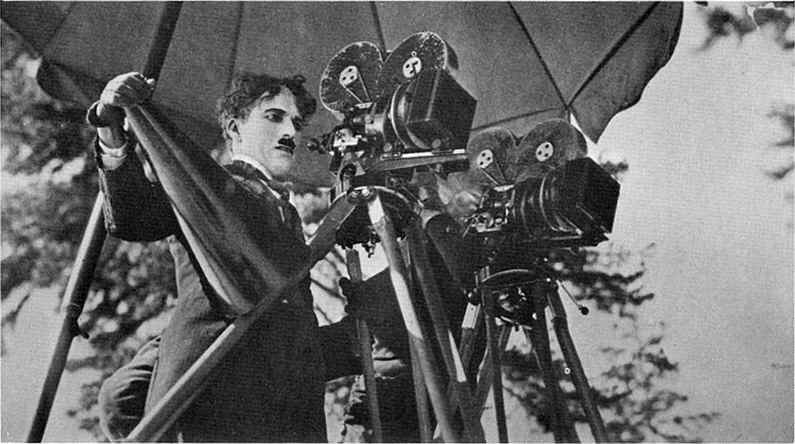 Incidentally, the Tramp doesn’t see Georgia because she, her friends, and her brute of a boyfriend have gone to his cabin “To have some fun with the funny little man”. Georgia feels no small pang of sorrow when she discovers the remnants of the party the Tramp worked so hard to put together, but that doesn’t stop her from carrying on with the brute, culminating in a scene where said brute passes a note confessing her rather bewildering love for the douchebag to the Tramp, resulting in a scene that would have been painful beyond bearing had Big Jim not arrived and carried off the Tramp to help find the “mountain of gold” he found and lost during the blizzard.
 No, Chaplin has whisked us away for one more classic comedy setup: he and Big Jim wind up once more at Black Larsen’s cabin, the one landmark Big Jim can count on to find his missing claim. A violent windstorm actually moves the cabin during the night, depositing it on a precipice and causing it to see-saw as its occupants wake and move around. It’s probably the first time a set was built on gimbals to tilt so wildly, and the sequence has some pioneering miniature work involving the cabin and even a tiny, articulated Chaplin. Again, it’s a set-up that is going to be utilized over and over again in the coming years.
 I watch The Gold Rush not entirely tabula rasa; there was a series on PBS in the 80s called The Unknown Chaplin, which I avidly devoured. In it was shown a treasure trove of Chaplin’s outtakes, which served as a marvelous examination of how the man worked. He used the studio as a sketchpad, basically, working scenes over and over with variations to see which played best, which produced the best laughs. It’s estimated that his first feature, The Kid, had a shot-to-print ratio of somewhere around 55:1. It’s a small wonder then, that The Gold Rush was one of the most expensive silent features ever made – but then again, as one of the most profitable, it proved a risk well worth taking. After this would come The Circus, and then the coming of sound, with which Chaplin would have something of a problematic relationship.
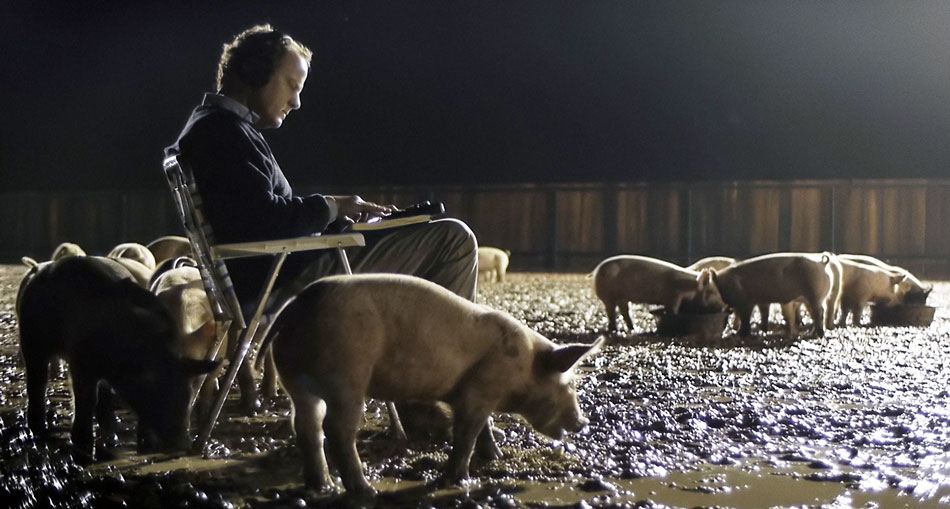






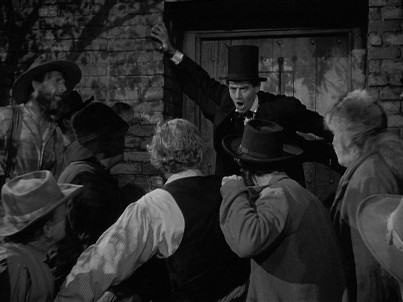
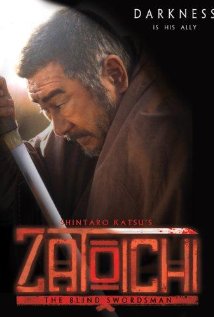


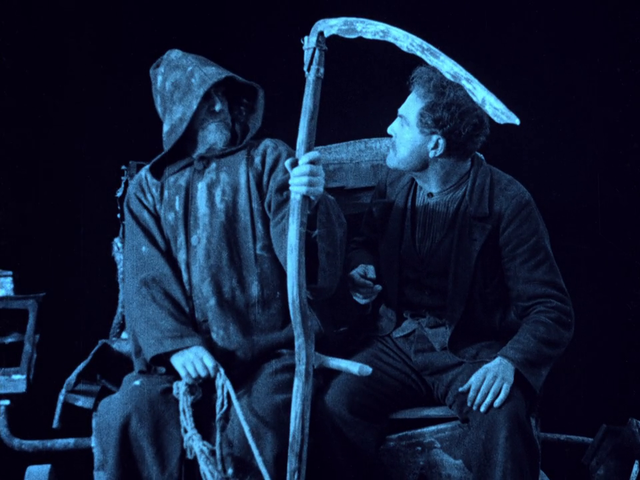

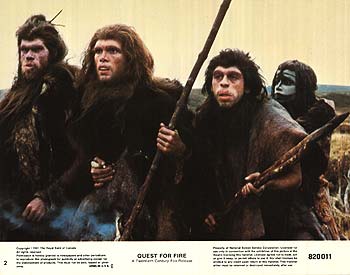
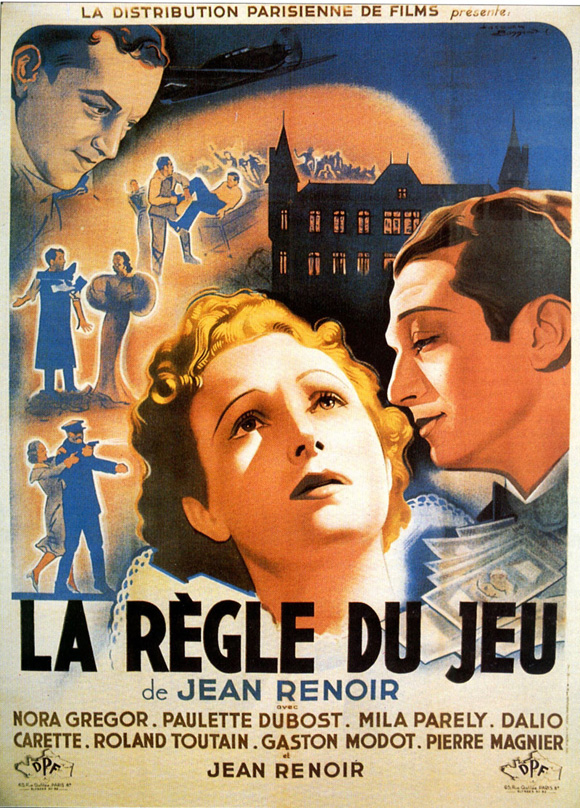

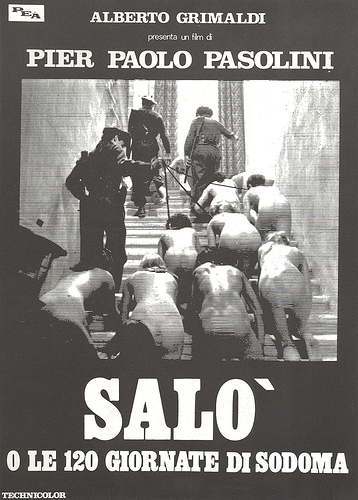


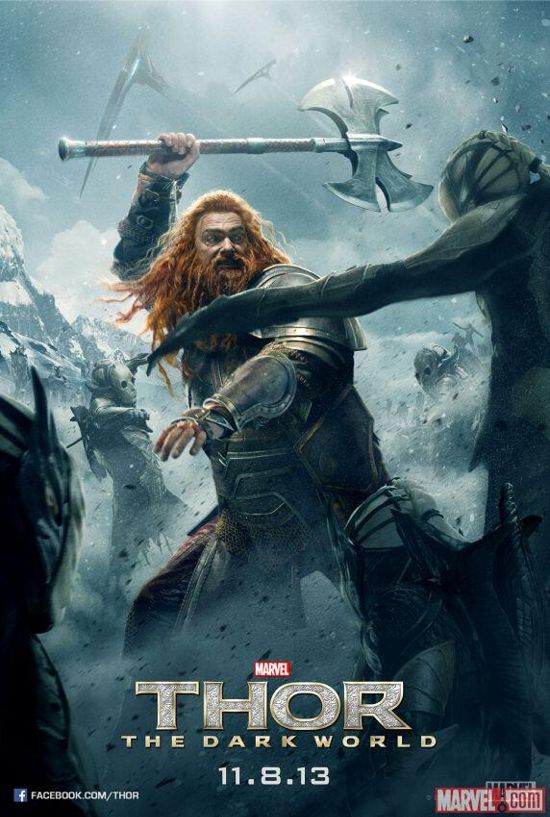

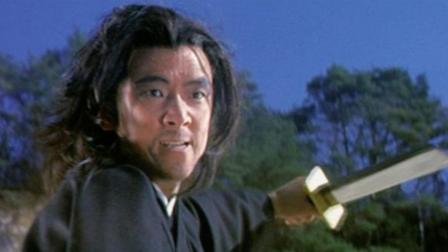


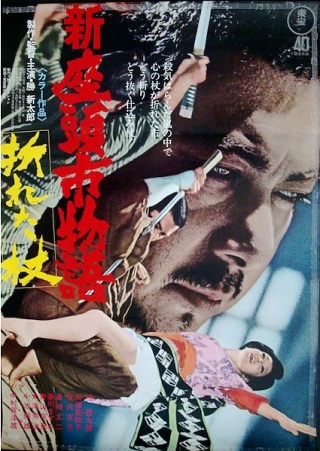


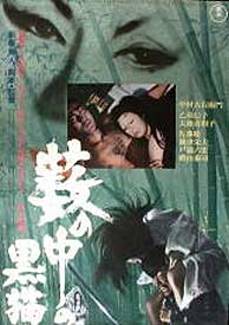

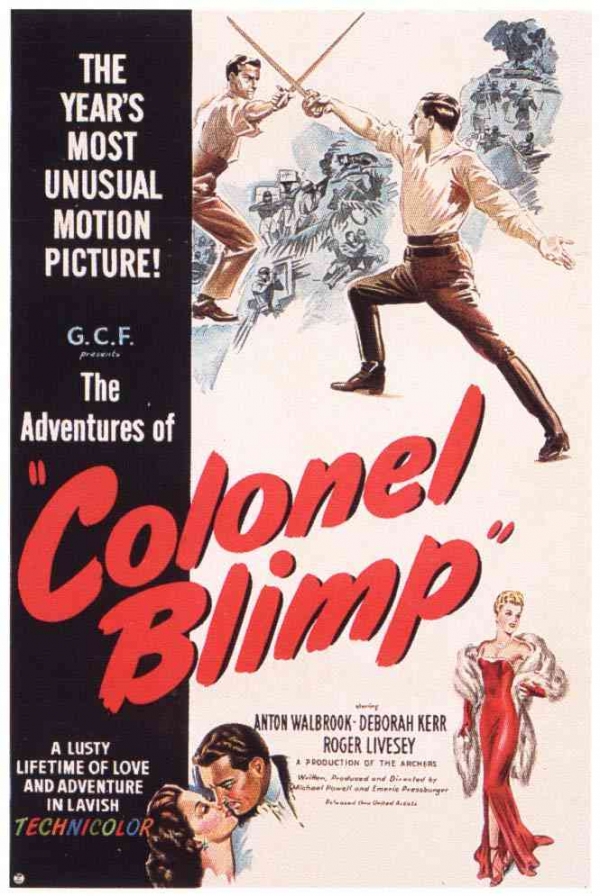

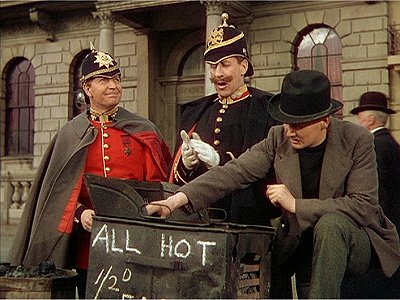
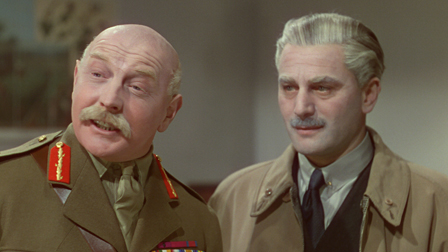
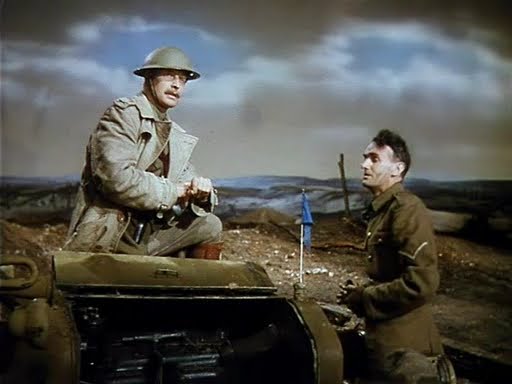

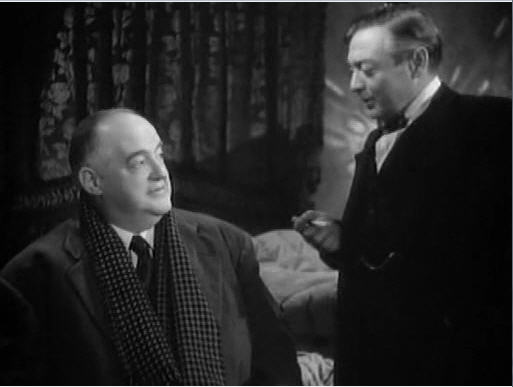
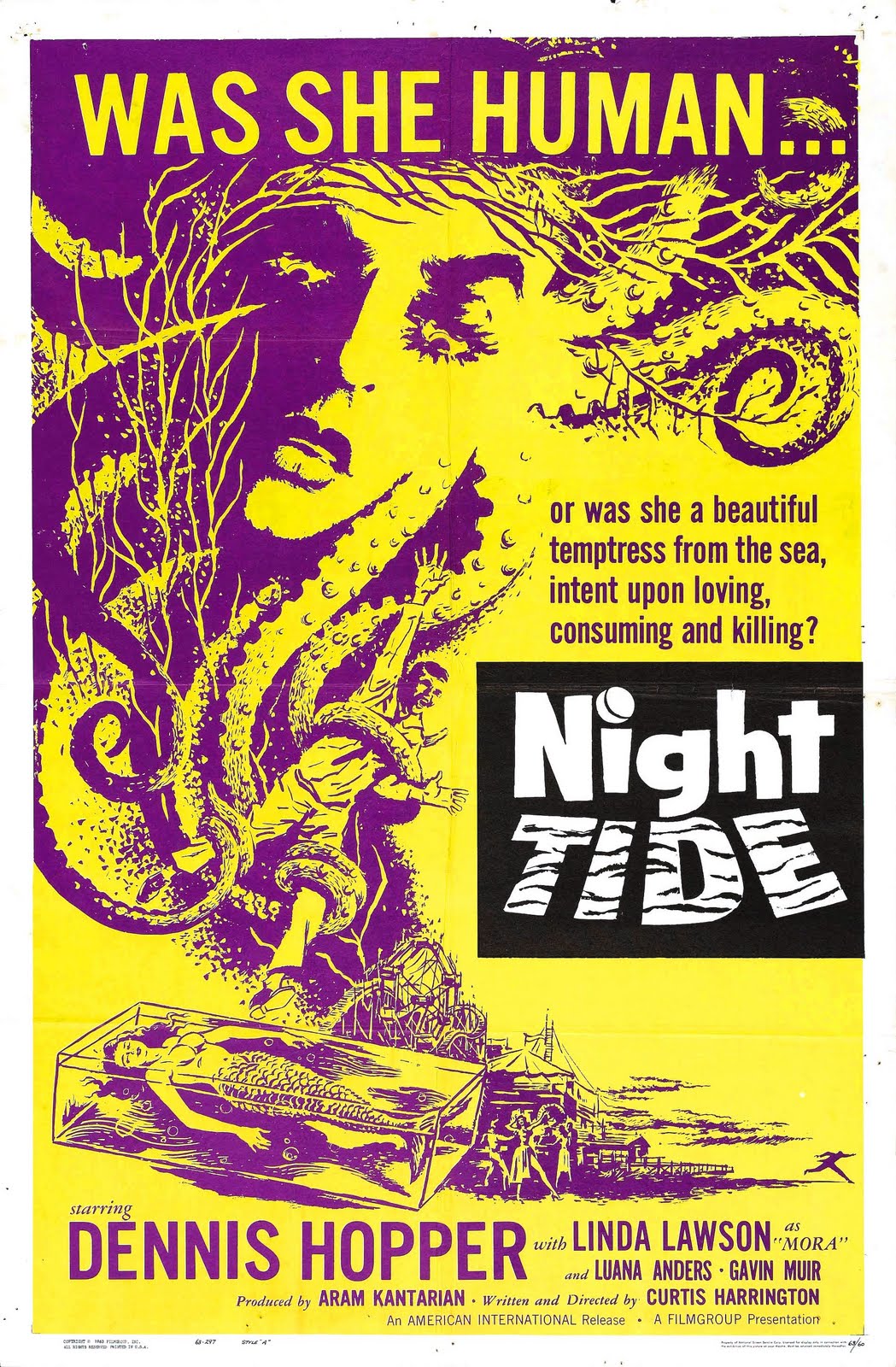
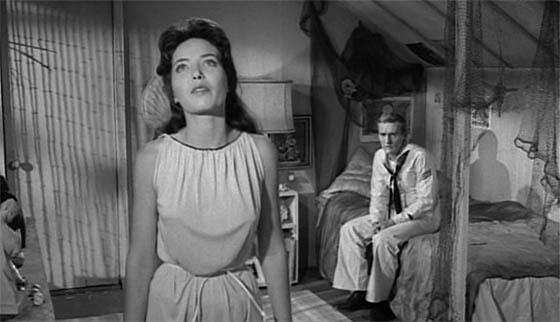


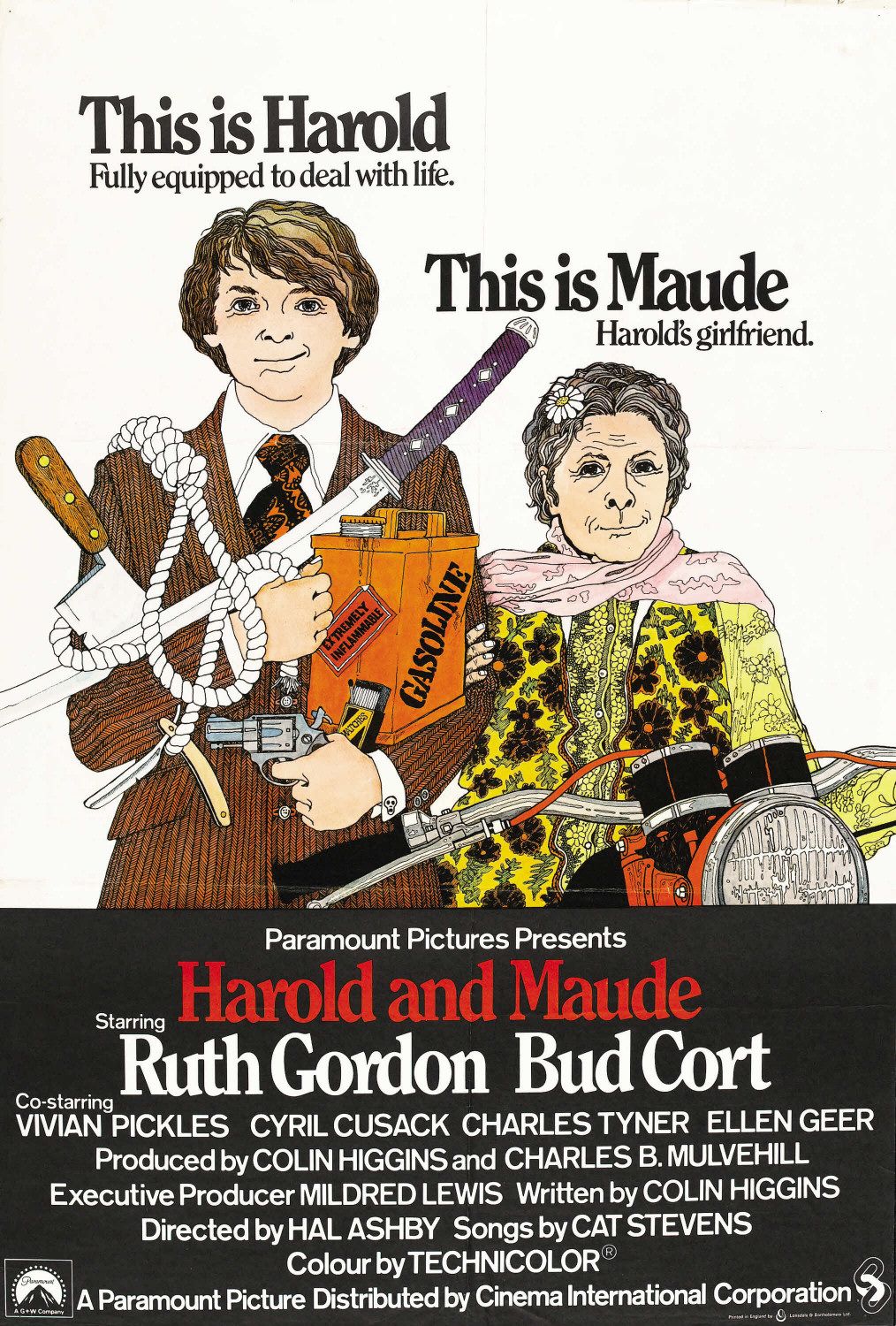


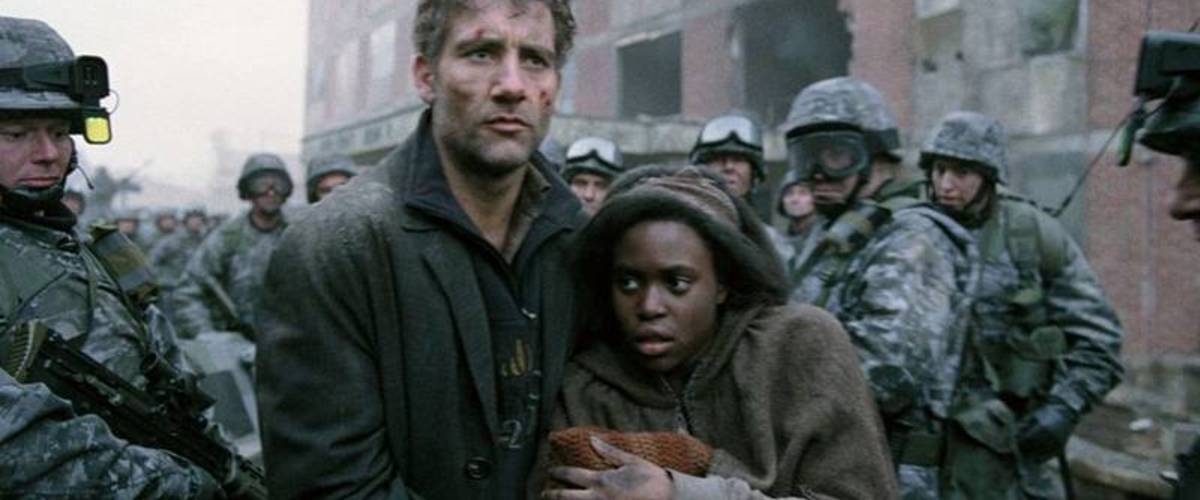
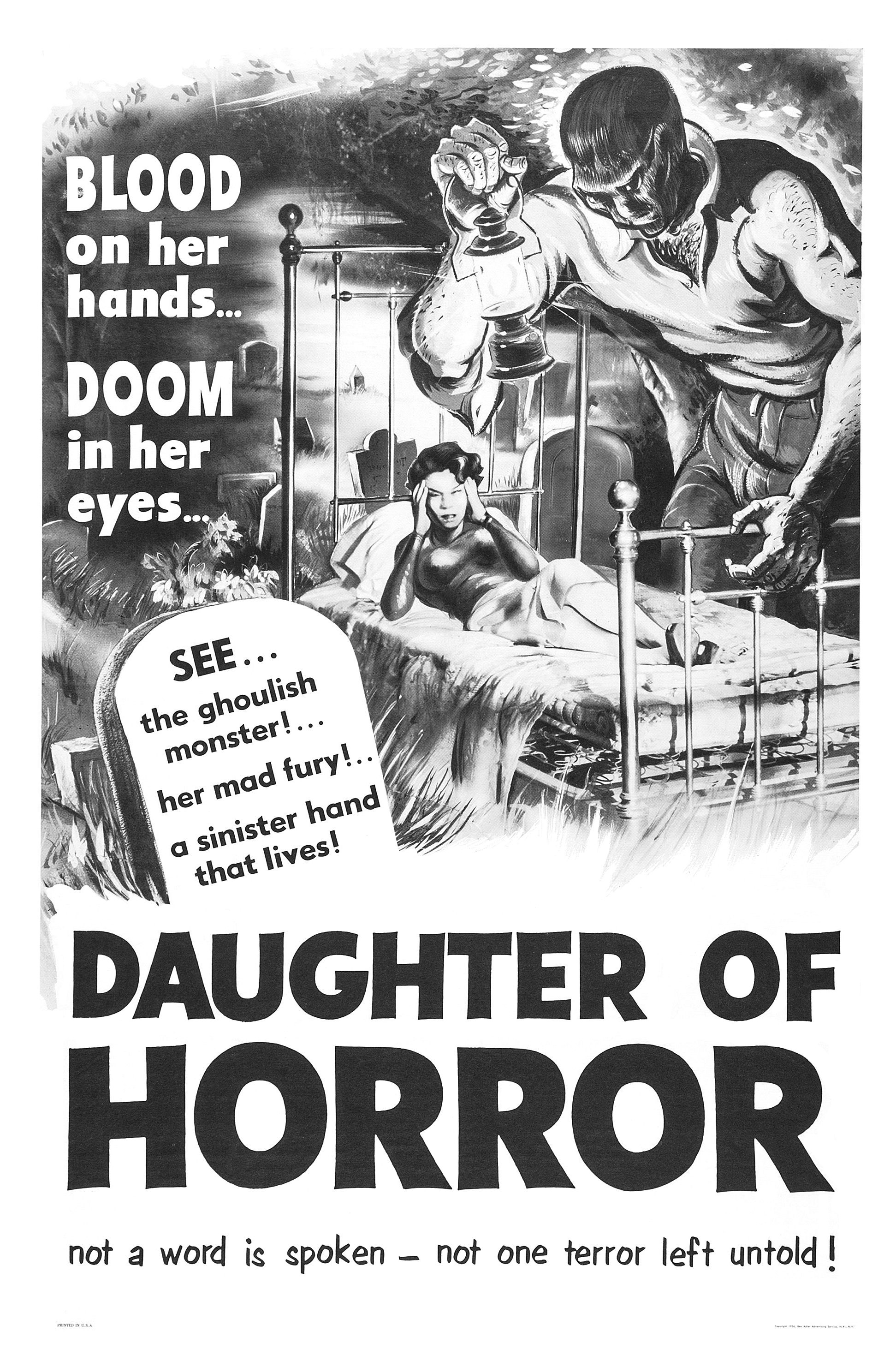


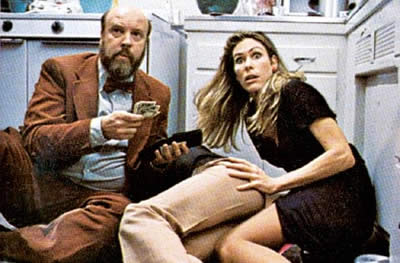








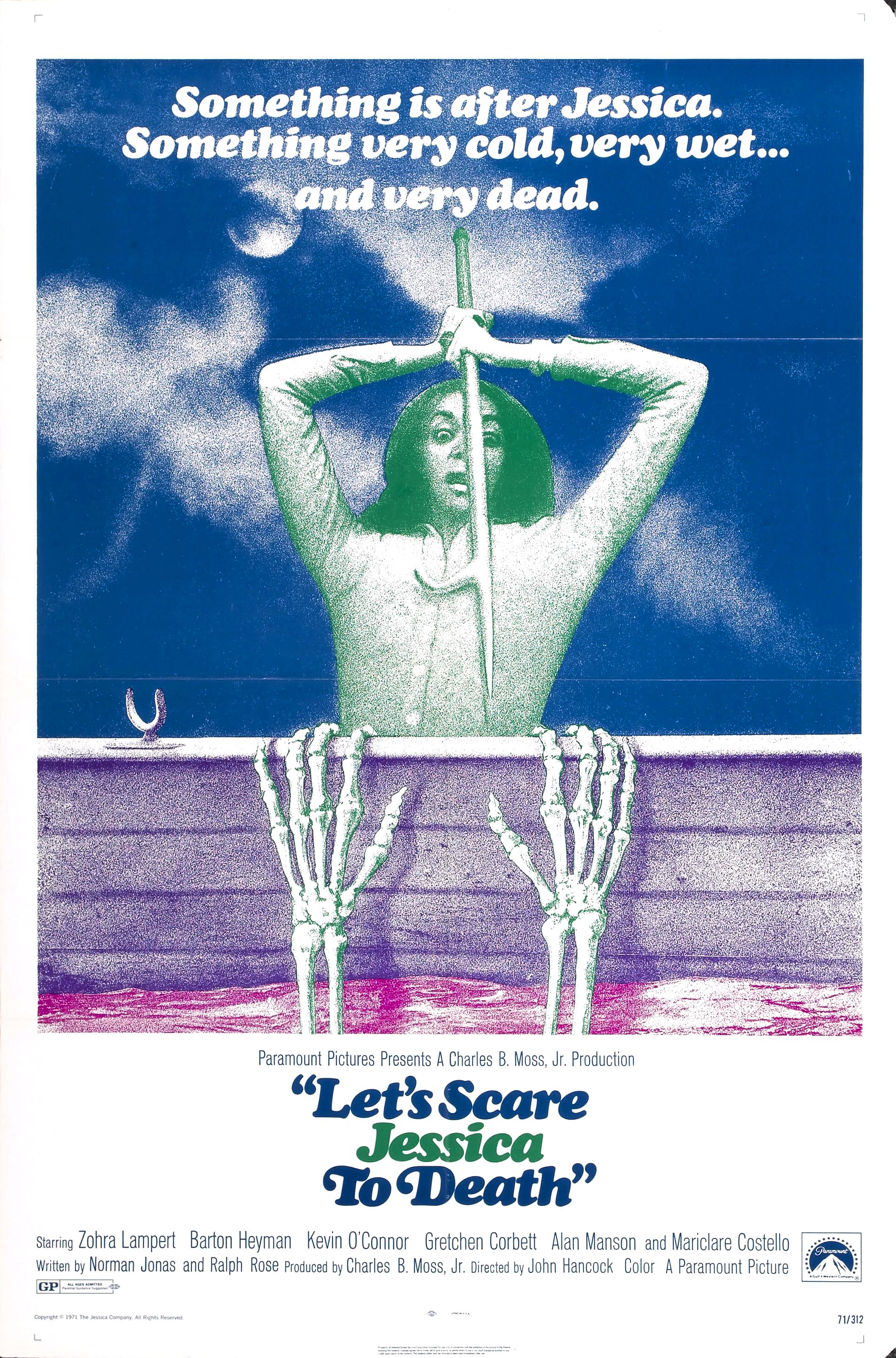



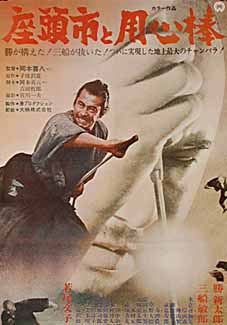

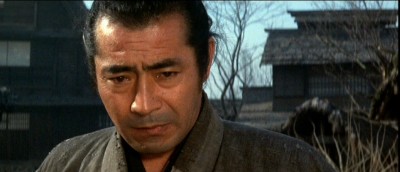

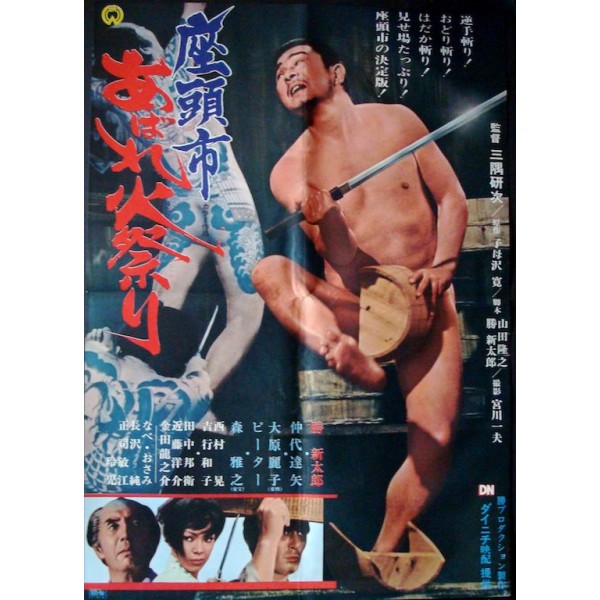




 drfreex.com